
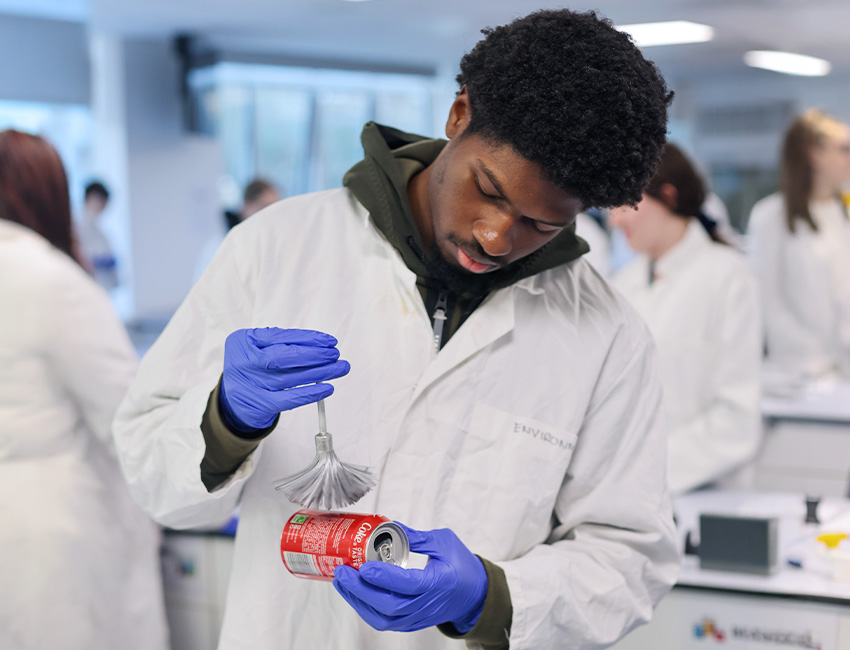
Jakarta, studyinca.ac.id – When I think about college subjects that combine scientific investigation with real-world impact, Forensic Science stands out as one of the most fascinating. It is a field that brings science into direct contact with the justice system, using evidence, analysis, and methodical reasoning to help uncover what happened in criminal cases. In college, forensic science gives students the chance to explore how biology, chemistry, and investigative techniques work together in the search for truth. To me, it is one of the most compelling areas of study because it shows how careful scientific work can contribute to solving crimes and supporting justice.
Why Forensic Science Matters
In my experience, Forensic Science matters because criminal investigations need more than suspicion or assumption. They require evidence that can be collected, preserved, tested, and interpreted with accuracy. Forensic science provides that scientific foundation. It helps investigators move from uncertainty to informed conclusions by examining fingerprints, DNA, fibers, toxic substances, and other forms of physical evidence.
This is especially important because justice depends on reliability. When forensic methods are used correctly, they can help identify offenders, support legal decisions, and sometimes even clear innocent people who have been wrongly accused. Studying forensic science in college helps students understand both the power and the responsibility that come with evidence-based investigation.
There is also a strong connection to academic Knowledge here. Forensic science draws from biology, chemistry, criminal justice, laboratory methods, and analytical thinking.
My Perspective on Solving Crimes

What changed my understanding of Forensic Science was realizing that it is not only about dramatic crime scenes or high-tech laboratory tools. At first, it may seem like the subject is all about exciting breakthroughs and quick answers. But over time, I came to see that real forensic science depends on patience, precision, and strict procedures. Evidence must be handled carefully, methods must be validated, and conclusions must be based on facts rather than assumptions.
That is what makes forensic science meaningful to me. It shows students that solving crimes is not just about intuition. It is about disciplined observation, scientific testing, and respect for legal standards. In that sense, forensic science teaches both technical skill and professional responsibility.
Core Elements of Forensic Science
I think Forensic Science becomes easier to understand when its main components are broken down clearly.
Evidence collection
Students learn how physical evidence is identified, preserved, and documented.
Laboratory analysis
This includes testing biological, chemical, and trace materials.
DNA and fingerprint examination
These are among the most recognized tools in forensic investigation.
Crime scene procedures
Proper methods are essential for protecting evidence integrity.
Toxicology
Forensic science also examines drugs, poisons, and chemical exposure.
Legal and ethical standards
Scientific findings must be presented responsibly within the justice system.
Common Challenges in Forensic Science
I have noticed that students often face recurring challenges when studying Forensic Science.
Technical precision
Small mistakes in handling or analysis can affect results.
Evidence interpretation
Data must be understood carefully and without exaggeration.
Chain of custody requirements
Evidence must be tracked correctly from collection to court.
Public misconceptions
Popular media often creates unrealistic expectations about forensic work.
Ethical responsibility
The consequences of error can be serious for both victims and suspects.
Practical Value of Forensic Science
I believe Forensic Science offers lasting value because it prepares students for work that directly supports justice, investigation, and public trust.
It strengthens analytical thinking
Students learn to examine facts carefully and draw evidence-based conclusions.
It supports criminal investigation
Scientific methods help uncover important details in cases.
It promotes accuracy in justice
Reliable forensic work can support fairer legal outcomes.
It develops laboratory and procedural skills
Students gain practical knowledge in testing, documentation, and analysis.
It connects science with public service
Forensic science shows how technical expertise can serve society.
Below is a simple overview of how forensic science helps solve crimes in college:
| Forensic Science Element | Why It Matters | Example in Practice |
|---|---|---|
| Evidence collection | Preserves crucial investigative material | Documenting and packaging trace evidence from a scene |
| Laboratory analysis | Tests evidence scientifically | Examining fibers, fluids, or residues in a lab |
| DNA and fingerprint examination | Helps identify individuals | Matching biological samples or latent prints |
| Crime scene procedures | Protects the reliability of evidence | Securing an area and recording evidence locations |
| Legal and ethical standards | Ensures responsible use of findings | Presenting forensic results accurately in court |
These elements show that forensic science is not simply about solving crimes dramatically. It is about applying science carefully and responsibly to support truth and justice.
Why Forensic Science Matters Beyond College
I think Forensic Science matters because society depends on reliable investigation when crimes occur. Public trust in legal systems is stronger when evidence is handled professionally and conclusions are grounded in science. The skills students develop in forensic science can contribute not only to criminal cases, but also to broader standards of accountability and fairness.
That broader significance is what makes this topic so valuable. Forensic science is not only a college subject. It is also an important part of how modern societies pursue truth, responsibility, and justice.
Final Thoughts
For me, Forensic Science is one of the most valuable college subjects because it combines scientific knowledge, investigative discipline, and ethical responsibility. It teaches students that solving crimes is not about guesswork or drama. It is about evidence, precision, and the careful search for truth.
That is why it matters so much. Forensic science is not simply about examining clues. It is about using science to support justice in a careful and credible way.
Explore our “”Knowledge“” category for more insightful content!
Don't forget to check out our previous article: Ecology Systems: Understanding Nature's Balance at University
