
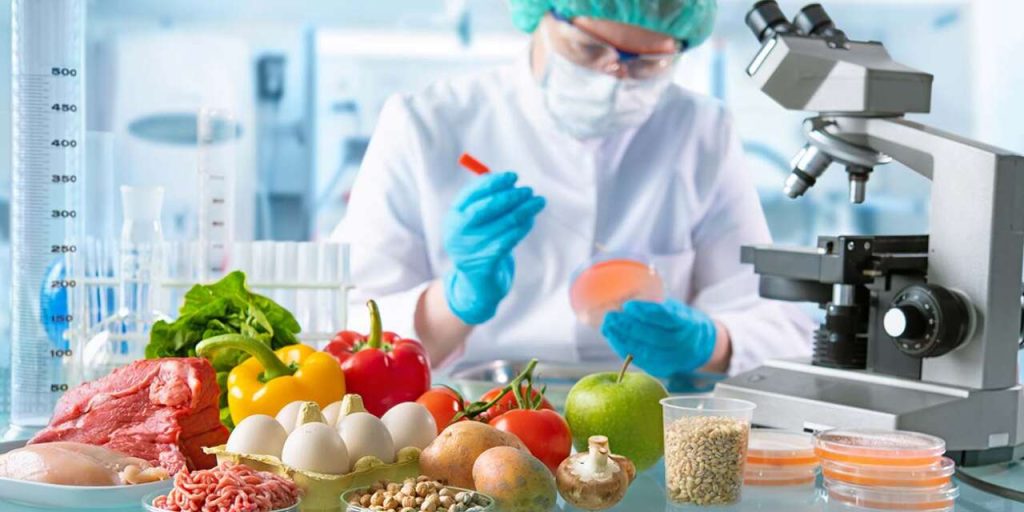
Jakarta, studyinca.ac.id – Food is something most people experience every day, yet few stop to think about how much science is involved in making it safe, nutritious, appealing, and scalable. Behind familiar products such as bread, yogurt, snacks, beverages, sauces, or frozen meals lies a complex combination of chemistry, biology, engineering, and quality control. That is what makes Food Science such an interesting field in the university setting. To me, food science is where everyday eating meets scientific innovation, turning ordinary ingredients into carefully designed products that must satisfy taste, safety, nutrition, and production demands all at once.
Why Food Science Matters
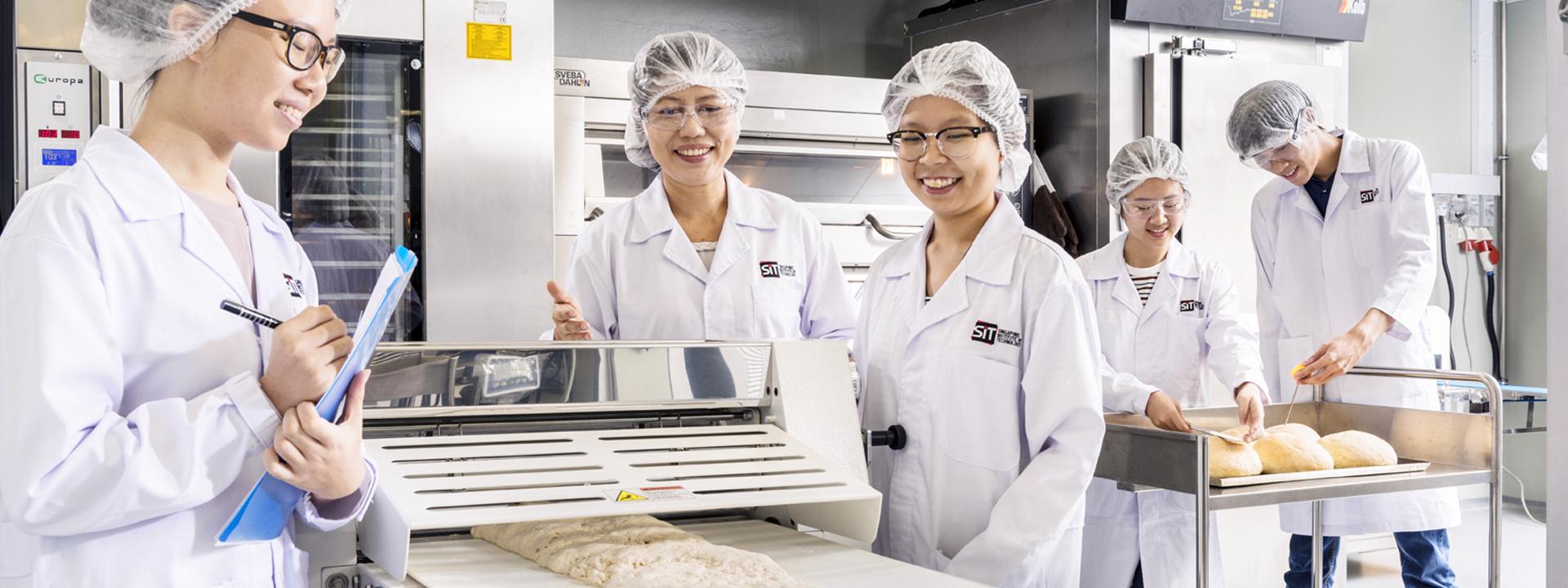
In my experience, Food Science matters because food systems affect health, sustainability, industry, and daily life on a massive scale. Universities that teach food science are not only preparing students to understand ingredients and processing methods. They are helping them think about food safety, shelf life, packaging, sensory quality, manufacturing efficiency, and consumer needs. This makes the field highly practical while also deeply scientific.
This becomes especially important because modern food production is far more complex than simple cooking. Products must often remain stable during transport, resist spoilage, meet regulatory standards, maintain texture and flavor, and sometimes serve specialized dietary needs. Food science helps explain how this happens. It studies what food is made of, how it changes during processing, and how those changes can be controlled for better outcomes.
There is also a strong connection to scientific Knowledge and innovation here. Food science combines laboratory learning, applied research, product development, and real-world problem solving.
My Perspective on Engineering Edibles
What changed my understanding of Food Science was realizing that creating food products is a form of engineering as much as it is a culinary matter. At first, food may seem like a topic mainly shaped by recipes, tradition, or consumer preference. But over time, I came to see that producing food at scale requires precise control over reactions, temperature, moisture, microbial safety, texture, packaging, and consistency. In that sense, engineering edibles is not a metaphor. It is a real technical process.
That is what makes this topic meaningful to me. Food science is not only about understanding what people eat. It is about designing foods that work reliably in complex systems while still meeting human expectations of taste and quality.
Core Areas of Food Science at University
I think Food Science becomes easier to understand when its main areas are broken down clearly.
Food chemistry
This area studies the composition of food and how ingredients react.
Food microbiology
It focuses on microorganisms that affect food safety and spoilage.
Food processing
Students learn how raw materials are transformed into stable products.
Sensory science
This explores how consumers experience flavor, texture, aroma, and appearance.
Nutrition
Food science also connects with the health value of foods and ingredients.
Quality assurance
Product consistency, safety, and standards are central concerns in the field.
Common Challenges in Food Science
I have noticed that Food Science also involves several recurring challenges.
Balancing taste and nutrition
Healthier products must still be appealing to consumers.
Safety control
Preventing contamination is essential in food production.
Shelf-life management
Products must remain stable over time without losing quality.
Sustainable production
Food systems must respond to environmental concerns and resource limits.
Consumer expectations
People want convenience, affordability, flavor, and transparency at once.
Practical Value of Food Science in University Education
I believe Food Science offers lasting value because it connects scientific learning with major real-world needs.
It supports public health
Safer food systems reduce risk and improve well-being.
It drives innovation
Students can help create new products and processing methods.
It strengthens industry readiness
The field prepares graduates for manufacturing, research, and quality roles.
It encourages problem-solving
Food challenges often require interdisciplinary thinking.
It links science to daily life
Students can see direct applications of laboratory concepts in the foods people consume every day.
Below is a simple overview of how food science supports the engineering of edibles at university:
| Food Science Area | Why It Matters | Example in Practice |
|---|---|---|
| Food chemistry | Explains ingredient behavior | Studying how proteins and sugars react during heating |
| Food microbiology | Protects safety and shelf life | Testing foods for harmful microorganisms |
| Food processing | Improves production efficiency and stability | Using pasteurization or drying methods |
| Sensory science | Shapes consumer acceptance | Evaluating flavor, texture, and appearance |
| Quality assurance | Maintains standards and reliability | Monitoring consistency in packaged food products |
These examples show that food science is not simply the study of food as an object. It is the study of how food can be understood, improved, and engineered responsibly.
Why Food Science Matters Beyond the Laboratory
I think Food Science matters because it sits at the intersection of health, industry, sustainability, and everyday human experience. Food choices affect people personally, while food systems affect societies at scale. Universities play an important role in training professionals who can improve safety, nutrition, efficiency, and innovation across those systems. That makes food science broader than a technical specialty. It is a field with direct social relevance.
That broader significance is what makes this topic so valuable. Food science is not only about engineering edibles in the university setting. It is about shaping the future of how food is produced, understood, and consumed.
Final Thoughts
For me, Food Science is one of the most fascinating university fields because it transforms something familiar into a rich area of scientific inquiry and practical innovation. It shows that food is not only cultural or culinary. It is also chemical, biological, technological, and deeply connected to public well-being.
That is why it matters so much. Food science is not simply about studying what we eat. It is about engineering safer, better, and more effective foods for a complex world.
Explore our “”Knowledge“” category for more insightful content
Don't forget to check out our previous article: Mental Resilience: Building Strength for Academic Challenges
