
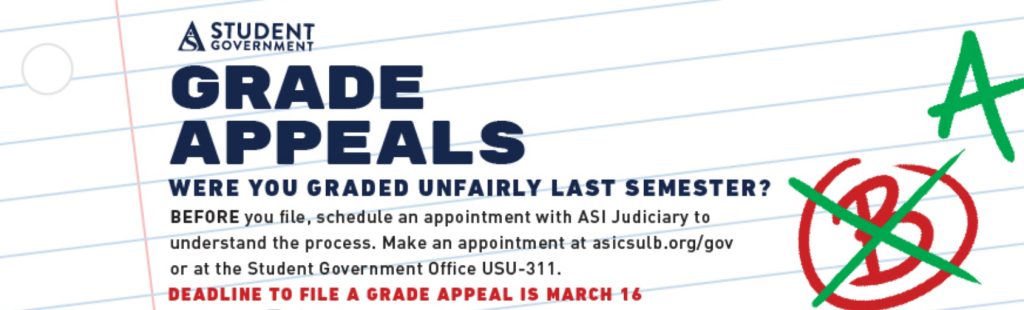
Jakarta, studyinca.ac.id – A Grade Appeal is an official process that allows university students to request a review of an assessment result they believe may be inaccurate, unfair, or inconsistent with academic policy. This process is an important part of academic transparency because it gives students a formal way to raise concerns when they believe a grade does not reflect their actual performance. While appealing a grade can feel intimidating, understanding the process helps students approach it professionally and responsibly.
Not every disappointing result is grounds for appeal. Sometimes a low grade simply reflects weaker performance on an assignment, test, or final exam. A grade appeal is usually appropriate only when there is a valid reason supported by facts, documentation, or procedural concerns. Students who understand the difference between dissatisfaction and a legitimate issue are more likely to handle the matter effectively.
What a grade appeal usually covers
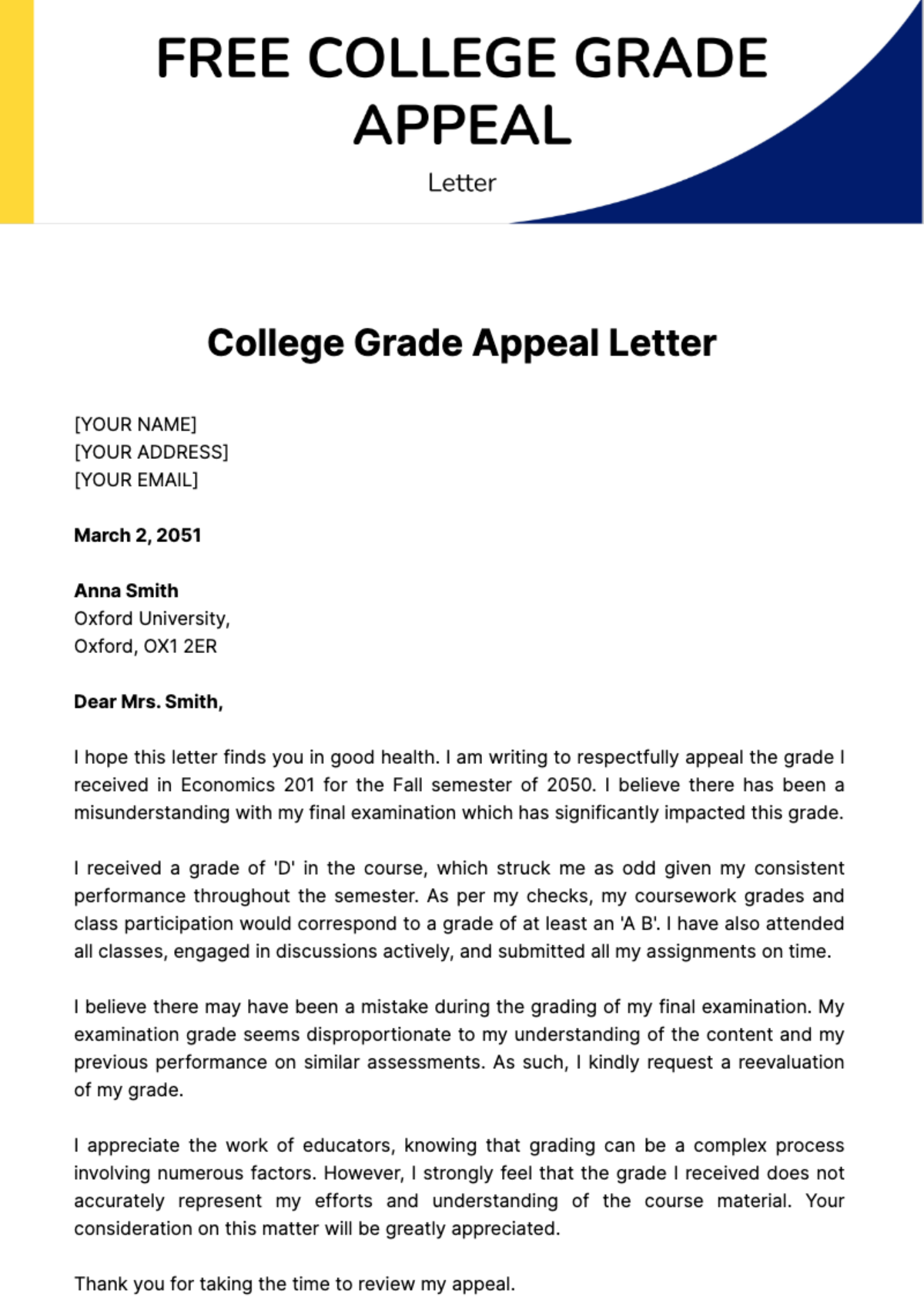
A Grade Appeal generally focuses on whether the assessment process was carried out correctly. Universities often allow appeals when there is evidence of calculation errors, inconsistent grading, unclear application of marking criteria, or procedural irregularities. In some cases, students may also appeal if they believe bias or administrative mistakes affected the result.
However, many institutions do not approve appeals simply because a student hoped for a higher grade. Academic judgment is often respected unless there is a clear reason to question the fairness or accuracy of the evaluation. This is why students should review the official policy before taking action. Knowing what qualifies can save time and reduce unnecessary stress.
Common reasons a student may file a grade appeal
A student may consider a Grade Appeal under several circumstances. While rules vary by institution, common examples include:
- A possible mathematical error in the grade calculation
- A mismatch between the published rubric and the awarded mark
- An assignment that may not have been fully reviewed
- Differences between the feedback and the final score
- A procedural issue during the assessment process
- An administrative mistake in recording the result
The key factor in any appeal is evidence. A student’s case becomes much stronger when it is based on documents, written feedback, grade records, or official course policies rather than emotion or assumption.
Steps students should take before submitting an appeal
A successful Grade Appeal often begins with preparation. Students should avoid reacting immediately in frustration and instead take time to review the situation carefully.
Read the university policy
Every institution has its own rules, deadlines, and required forms. Missing a deadline can end the process before it begins.
Review the assessment details
Students should compare the grade received with the rubric, feedback comments, and any grading criteria provided by the lecturer.
Speak with the lecturer first
In many cases, a respectful conversation can clarify misunderstandings or reveal whether there has been an actual error. Sometimes the issue is simpler than it first appears.
Gather supporting documents
Relevant materials may include assignment instructions, marked work, email communication, grade breakdowns, or policy references.
Keep the tone professional
A clear and respectful appeal is more effective than an emotional complaint. Universities are more likely to respond positively to well-organized concerns.
Why professionalism matters in the process
Handling a Grade Appeal professionally is essential because it shows maturity and credibility. Students should focus on facts, not personal attacks. The goal is to review the result fairly, not to create conflict with academic staff. Even when a student strongly believes a mistake has occurred, respectful communication helps preserve constructive dialogue.
Professionalism also means accepting the outcome if the review confirms the original grade. An appeal is a chance to ensure fairness, not a guarantee of change. Sometimes the process simply provides clearer explanation, which can still be valuable for the student’s understanding and future improvement.
The bigger lesson behind a grade appeal
A Grade Appeal is not only about one assignment or exam result. It also teaches students how to navigate formal academic systems, communicate responsibly, and advocate for themselves with evidence and fairness. These are valuable skills beyond university life.
When used appropriately, a grade appeal supports accountability and trust within higher education. It ensures that students have a voice while maintaining respect for academic standards. For university students, the most important step is to understand the policy, stay calm, and build a case based on facts rather than frustration. That approach gives the process its best chance of being fair, useful, and academically responsible.
Explore our “”Knowledge“” category for more insightful content!
Don't forget to check out our previous article: International Students: Practical Support for University Students Studying Abroad
