
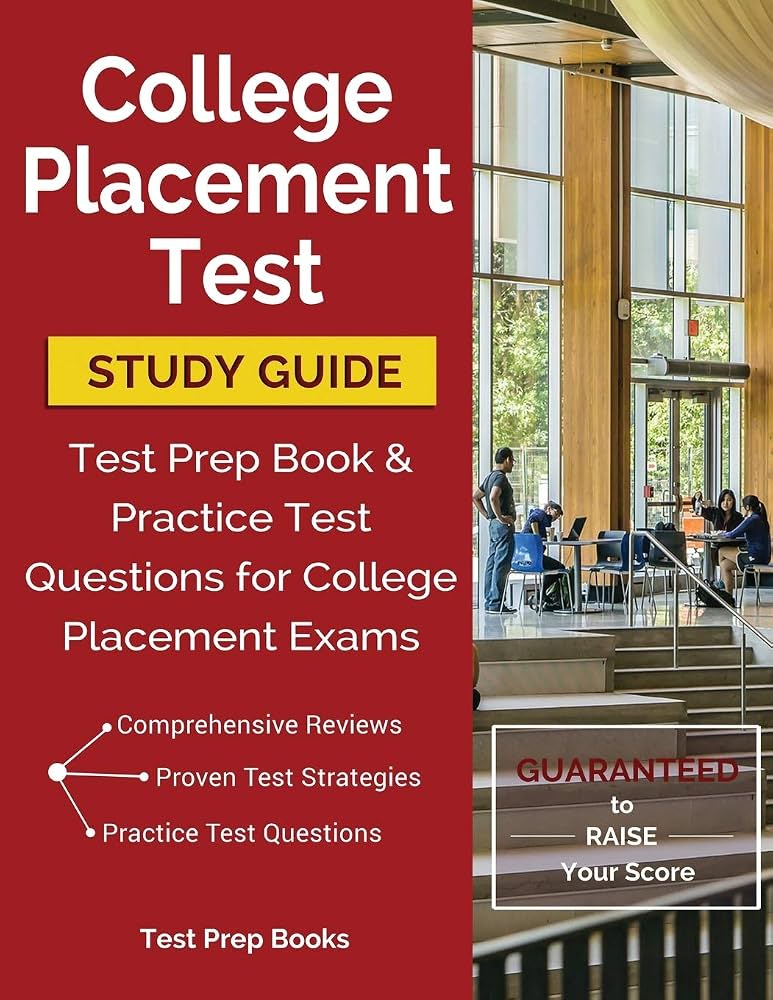
Jakarta, studyinca.ac.id – A Placement Test is an important academic tool used by many universities to assess student readiness before regular coursework begins. Unlike admission exams, placement tests are usually not designed to decide whether a student gets into the university. Instead, they help determine the most appropriate starting level for subjects such as mathematics, language, writing, or science. The goal is to place students in courses that match their current knowledge so they can begin at the right level and build a stronger academic foundation.
For university students, understanding placement tests can reduce confusion and anxiety. These assessments are meant to support learning, not to punish students with mysterious academic sorting rituals. Knowing what the test is for, what it may include, and how to prepare can help students approach it more effectively.
Why placement tests matter
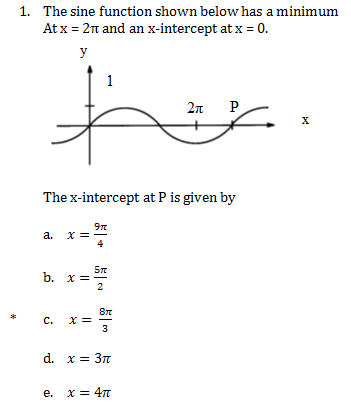
A Placement Test matters because starting in the right course level can strongly influence academic success. If a student is placed in a class that is too advanced, they may struggle unnecessarily. If they are placed too low, they may spend time reviewing material they have already mastered. Placement tests help universities reduce these mismatches and guide students into courses that better fit their readiness.
This matters especially in subjects that build in sequence. Mathematics, writing, and language study often depend on strong foundations, so appropriate placement can make future learning smoother and more efficient.
What placement tests usually assess
A typical Placement Test focuses on subject readiness rather than broad competition. The content depends on the university and the area being tested.
Common areas may include:
- Mathematics fundamentals
- Academic writing
- Reading comprehension
- Language proficiency
- Basic science readiness
- Grammar or vocabulary skills
These tests often measure current ability rather than how much material a student can memorize in a short time. That is why preparation should focus on reviewing core concepts rather than dramatic last-minute cramming.
How students should prepare
Although a Placement Test may not feel as high-pressure as an entrance exam, preparation still matters. Students should approach it seriously because the result may affect their first-semester academic path.
Helpful preparation steps include:
- Reviewing the subjects covered
- Practicing basic concepts and question types
- Taking sample or diagnostic tests if available
- Brushing up on forgotten school material
- Reading test instructions carefully
- Resting properly before the test
Preparation does not need to be excessive, but it should be purposeful. A short, focused review is often enough to refresh key skills and improve accuracy.
Why honest performance is important
One useful thing to remember about a Placement Test is that the best result is not always the highest possible score. The most helpful outcome is an accurate one. If students receive outside help during an online test or pretend to know more than they really do, they may end up in a course that is harder than they can comfortably manage.
Honest performance helps ensure:
- More appropriate course placement
- Better learning progress
- Reduced academic frustration
- Stronger confidence early in university
In other words, the test works best when students let it do its job instead of trying to outsmart the system for one glorious but exhausting semester.
Common student concerns
Many university students feel uncertain about Placement Test results because they worry the test reflects intelligence or long-term ability. It does not. Placement is about current readiness in a specific area, and it often says more about recent practice than about overall potential.
Students should remember:
- A lower placement is not failure
- Starting at the right level can improve long-term results
- Placement can often be changed later through progress and performance
- The purpose is support, not judgment
This perspective helps students view placement as part of academic planning rather than a label.
Final thoughts
A Placement Test helps universities identify the right starting point for students in important academic subjects. By understanding its purpose, preparing with focused review, and approaching the test honestly, university students can improve the chances of beginning their studies at a level that supports success.
Academic readiness matters, and the right starting point makes that readiness easier to build. A placement test is simply one of the tools that helps make the beginning more accurate and more manageable.
Explore our “”Knowledge“” category for more insightful content!
Don't forget to check out our previous article: Campus Dining: A University Student Guide to Meal Plans and Healthy Eating Habits
