
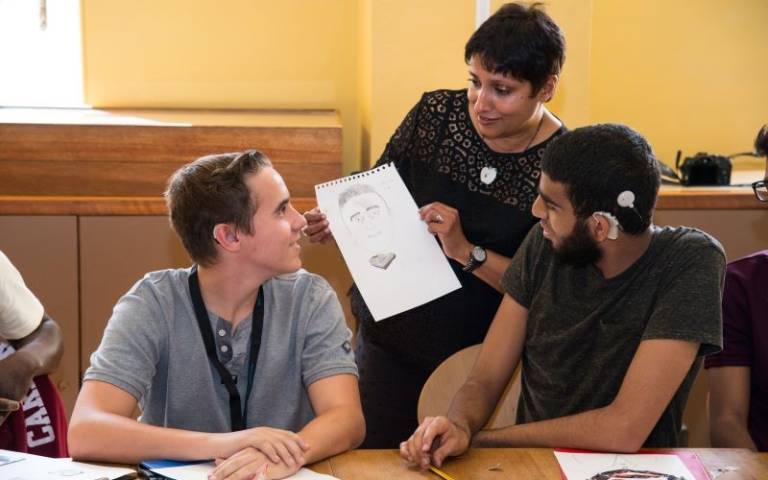
Jakarta, studyinca.ac.id – Strong Inclusive Education helps ensure that university students from different backgrounds, abilities, and circumstances have equal access to learning and a fair chance to succeed. In higher education, inclusion is not only about admitting diverse students. It is also about creating an environment where they can participate fully, receive appropriate support, and experience respect within academic life. When universities take inclusion seriously, they help remove barriers that might otherwise limit student progress.
Inclusive education matters because students do not all begin from the same position. Differences in physical ability, mental health, economic background, language, learning needs, and social experience can all affect how students engage with university. A more inclusive approach recognizes these differences and works to support success without lowering academic standards.
Why inclusive education matters

Inclusive Education matters because equal access to education is not meaningful if students cannot fully participate once they arrive. Universities should aim to provide conditions where all students can learn, contribute, and grow without facing unnecessary exclusion.
Inclusion supports:
- Fair access to learning opportunities
- Stronger student belonging
- Better academic participation
- Reduced barriers to success
- A more respectful campus environment
This benefits not only individuals who need support, but also the university community as a whole.
Common barriers students may face
A major goal of Inclusive Education is identifying and reducing barriers that affect student participation and achievement.
These barriers may include:
- Physical accessibility challenges
- Financial hardship
- Language difficulties
- Learning differences
- Social discrimination
- Limited access to academic support
- Mental health pressures
When universities understand these barriers clearly, they are better able to design more supportive systems.
How universities can support inclusion
Effective Inclusive Education requires more than general goodwill. It depends on practical systems, policies, and teaching approaches that help students participate meaningfully.
Universities can support inclusion through:
- Accessible campus facilities
- Learning accommodations where needed
- Inclusive teaching practices
- Academic advising and counseling services
- Financial aid support
- Clear reporting systems for discrimination or harassment
- Staff training on student diversity and support
These measures help make educational access more real and more usable.
Inclusion in teaching and student support
A strong Inclusive Education approach also involves how teaching is delivered and how students are supported throughout their academic journey. Students benefit when course design, communication, and feedback are structured in ways that reduce unnecessary obstacles.
Helpful practices include:
- Providing materials in accessible formats
- Using clear and inclusive language
- Offering flexible support where appropriate
- Encouraging respectful classroom participation
- Responding constructively to different learning needs
This helps create an environment where students are challenged academically without being excluded by avoidable barriers.
Why inclusion strengthens the university community
Beyond individual support, Inclusive Education strengthens the wider university environment. A campus that values different perspectives, backgrounds, and needs often becomes more thoughtful, collaborative, and socially responsible.
Inclusive universities can encourage:
- Greater mutual respect
- Wider participation in academic life
- Stronger student engagement
- Better community understanding
- More equitable educational outcomes
Inclusion improves both access and atmosphere, which is a rather efficient achievement.
Final thoughts
Inclusive Education supports equal access and success for university students by reducing barriers, strengthening support systems, and creating more respectful learning environments. When universities commit to inclusion in both policy and daily practice, they help students participate more fully and succeed more fairly.
Education becomes stronger when access is paired with support, and diversity is paired with belonging. That is the deeper purpose of inclusive education in university life.
Explore our “”Knowledge“” category for more insightful content!
Don't forget to check out our previous article: College Exam Preparation: Effective Study Techniques for University Students Facing Tests
