
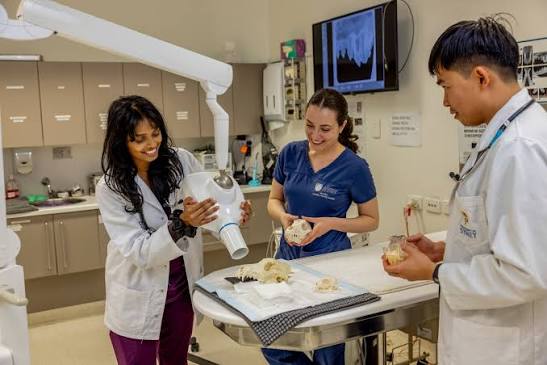
Jakarta, studyinca.ac.id – Veterinary Medicine helps university students prepare for careers focused on animal health, clinical care, disease prevention, and public well-being. Veterinary study is a demanding field that combines science, medical training, ethics, and compassion. Students who choose this path prepare to work with animals in ways that support not only treatment and welfare, but also broader issues such as food safety, disease control, and community health.
For students interested in biology, medicine, and animal care, veterinary medicine offers a meaningful path that requires both academic strength and practical commitment. It is a field where knowledge must be matched with careful judgment, responsibility, and the ability to work in emotionally and technically challenging situations.
Why veterinary medicine matters
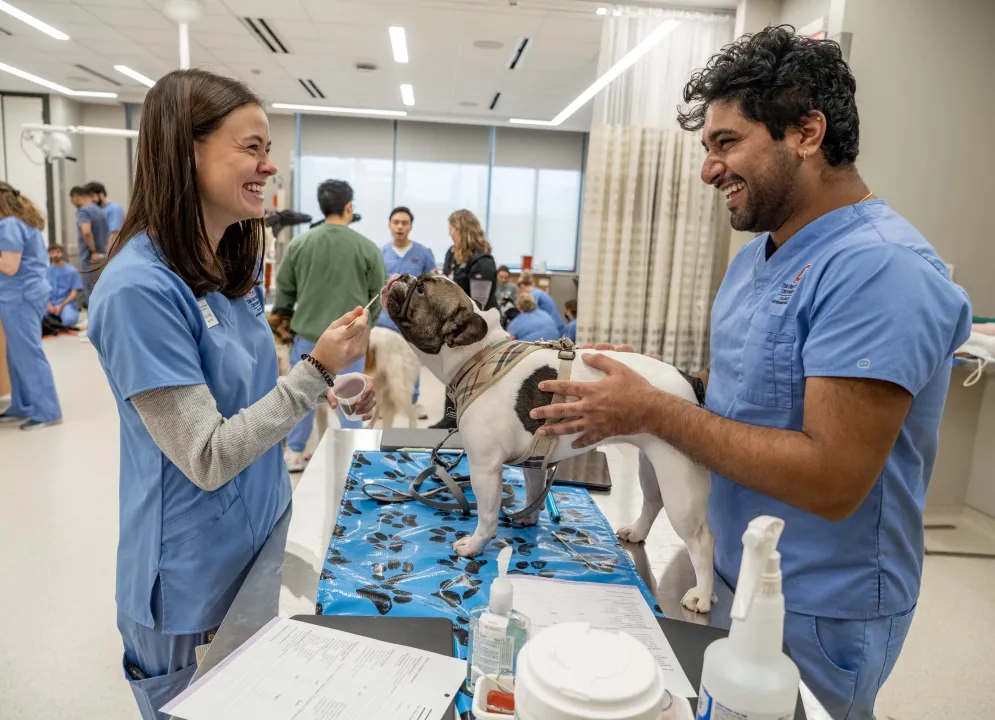
Veterinary Medicine matters because animal health affects many parts of society, including agriculture, food systems, public health, and companion animal care. Veterinarians help diagnose illness, provide treatment, prevent disease, and support animal welfare across different settings.
The field also matters because it connects scientific understanding with hands-on care. Students are trained not only to understand medical concepts, but also to apply them responsibly in real clinical contexts.
Core knowledge students develop
Students in Veterinary Medicine typically study a wide range of scientific and medical subjects that support animal diagnosis, treatment, and prevention.
Common areas of study include:
- Animal anatomy
- Physiology
- Pathology
- Pharmacology
- Microbiology
- Animal nutrition
- Disease prevention
- Clinical medicine
These subjects help students understand how animal bodies function and how health conditions can be identified and managed.
Building clinical and animal care skills
A major strength of Veterinary Medicine is the way it develops practical care skills alongside theoretical knowledge. Students need to learn how to assess animals, communicate with owners or caregivers, and support treatment safely and professionally.
Important skills may include:
- Clinical observation
- Diagnostic reasoning
- Communication
- Ethical judgment
- Safe handling practices
- Attention to animal welfare
This combination of science and care is central to veterinary preparation.
Practical training and professional readiness
Hands-on experience is a key part of Veterinary Medicine because clinical competence cannot be built through textbooks alone. Students usually gain practical experience through laboratories, supervised clinical work, and real or simulated case-based learning.
Training may involve:
- Clinical observation
- Laboratory practice
- Animal handling
- Case discussion
- Diagnostic procedures
- Supervised care environments
These experiences help students become more confident and more prepared for professional practice.
Career opportunities in animal health
A background in Veterinary Medicine can lead to several paths related to animal health and related fields.
Possible career directions include:
- Clinical veterinary practice
- Livestock and farm animal care
- Animal welfare organizations
- Public health and inspection roles
- Research and laboratory work
- Academic or teaching roles
This makes veterinary medicine both specialized and broadly important across multiple sectors.
Final thoughts
Veterinary Medicine helps university students prepare for animal health careers by combining scientific study, clinical training, and a strong commitment to animal care and welfare. For students drawn to medicine and animal well-being, it offers a challenging and deeply meaningful professional path.
Caring for animal health requires more than affection for animals alone. It asks for science, discipline, and steady responsibility, which is exactly what good veterinary education is meant to build.
Explore our “”Knowledge“” category for more insightful content!
Don't forget to check out our previous article: Statistics Course: Helping University Students Analyze Data and Make Evidence-Based Decisions
