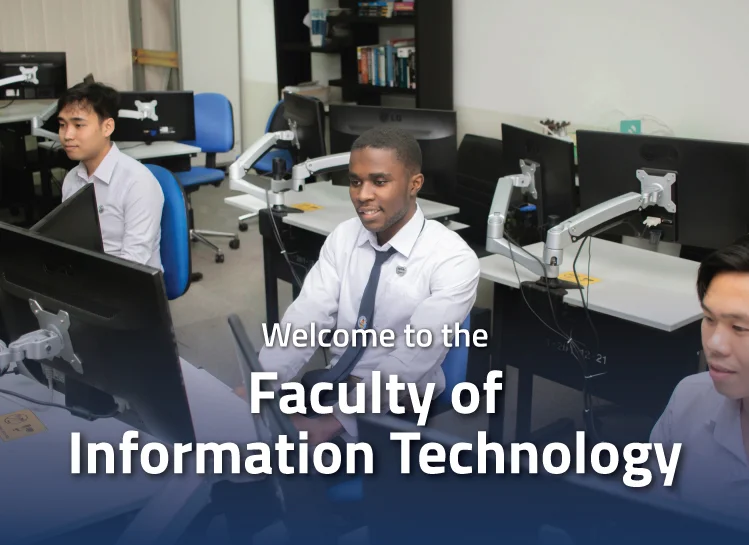
The Faculty of Information Technology plays a pivotal role in shaping the digital future by equipping students with the knowledge and skills necessary to thrive in an increasingly technology-driven world. With the rapid advancement of technology, the demand for skilled IT professionals continues to grow. This article explores the significance of the Faculty of Information Technology, its contributions to the field, and the real-world insights that prepare students for successful careers.
1. The Importance of Information Technology Education

In today’s digital age, information technology is at the heart of innovation and efficiency across all sectors. The Faculty of Information Technology is essential for several reasons:
- Skill Development: IT education focuses on developing both technical and soft skills. Students learn programming, data analysis, cybersecurity, and system design while also honing communication, teamwork, and problem-solving abilities.
- Industry Relevance: The curriculum is designed to reflect current industry trends and technologies, ensuring that graduates are well-prepared for the demands of the job market.
2. Comprehensive Curriculum
The Faculty of Information Technology offers a diverse range of courses that cover various aspects of technology:
– Core Areas of Study
- Software Development: Students learn programming languages, software engineering principles, and application development, preparing them for careers in software design and development.
- Network and Cybersecurity: Courses in this area focus on protecting information systems, understanding network protocols, and implementing security measures to safeguard data.
- Data Science and Analytics: With the rise of big data, students explore data mining, statistical analysis, and machine learning to extract valuable insights from large datasets.
- Web and Mobile Technologies: The curriculum includes web development and mobile application design, equipping students with the skills to create user-friendly digital experiences.
3. Real-World Insights and Practical Experience
The Faculty of Information Technology emphasizes the importance of real-world insights and practical experience:
– Industry Partnerships
Collaboration with industry leaders allows students to gain exposure to current technologies and practices. Guest lectures, workshops, and internships provide valuable networking opportunities and insights into the professional world.
– Hands-On Projects
Students engage in hands-on projects that simulate real-world challenges. By working on collaborative projects, they develop critical thinking and teamwork skills while applying theoretical knowledge to practical situations.
– Capstone Projects
Many programs include capstone projects that require students to solve complex problems for actual organizations. This experience not only enhances technical skills but also fosters a sense of social responsibility and community engagement.
4. Faculty Expertise
The faculty members play a crucial role in shaping the educational experience. With diverse backgrounds and industry experience, they bring valuable insights to the classroom:
- Research and Innovation: Faculty members often engage in cutting-edge research, contributing to advancements in technology. Their expertise informs the curriculum and helps students stay current with emerging trends.
- Mentorship: Faculty members serve as mentors, guiding students through their academic journey and providing support in career development.
5. Career Opportunities
Graduates from the Faculty of Information Technology are well-positioned to pursue a variety of career paths, including:
- Software Developer: Designing and developing software applications for various platforms.
- Data Analyst: Analyzing data to inform business decisions and strategies.
- Cybersecurity Specialist: Protecting organizations from cyber threats and ensuring data integrity.
- IT Consultant: Advising businesses on technology solutions and best practices.
6. Conclusion
In conclusion, the Faculty of Information Technology is instrumental in shaping the digital future by providing students with the skills, knowledge, and real-world insights needed to succeed in the ever-evolving tech landscape. Through a comprehensive curriculum, practical experiences, and expert faculty, students are prepared to become innovative leaders in the field of information technology. As technology continues to transform industries and societies, the role of the Faculty of Information Technology remains crucial in fostering the next generation of skilled professionals who will drive progress and innovation. Embracing this educational journey not only empowers individuals but also contributes to a more connected and technologically advanced world.