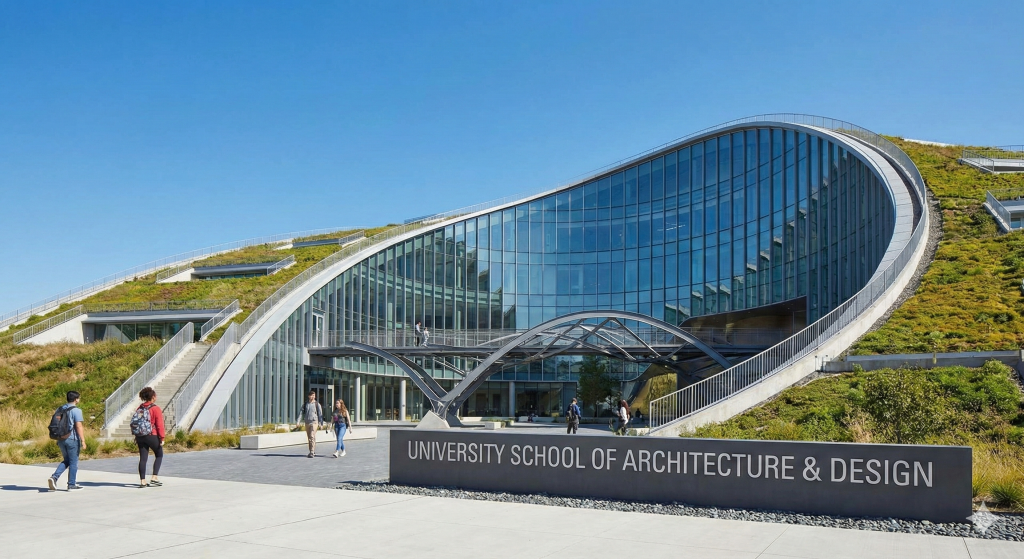
Architectural design is at the forefront of shaping the spaces we inhabit, influencing not only aesthetics but also functionality and sustainability. As we move further into the 21st century, innovative concepts in architectural design are transforming how we think about buildings and their impact on our lives. In this article, I share my insights on some of the coolest ideas in architectural design that are making a real difference in modern spaces.
1. Embracing Sustainability
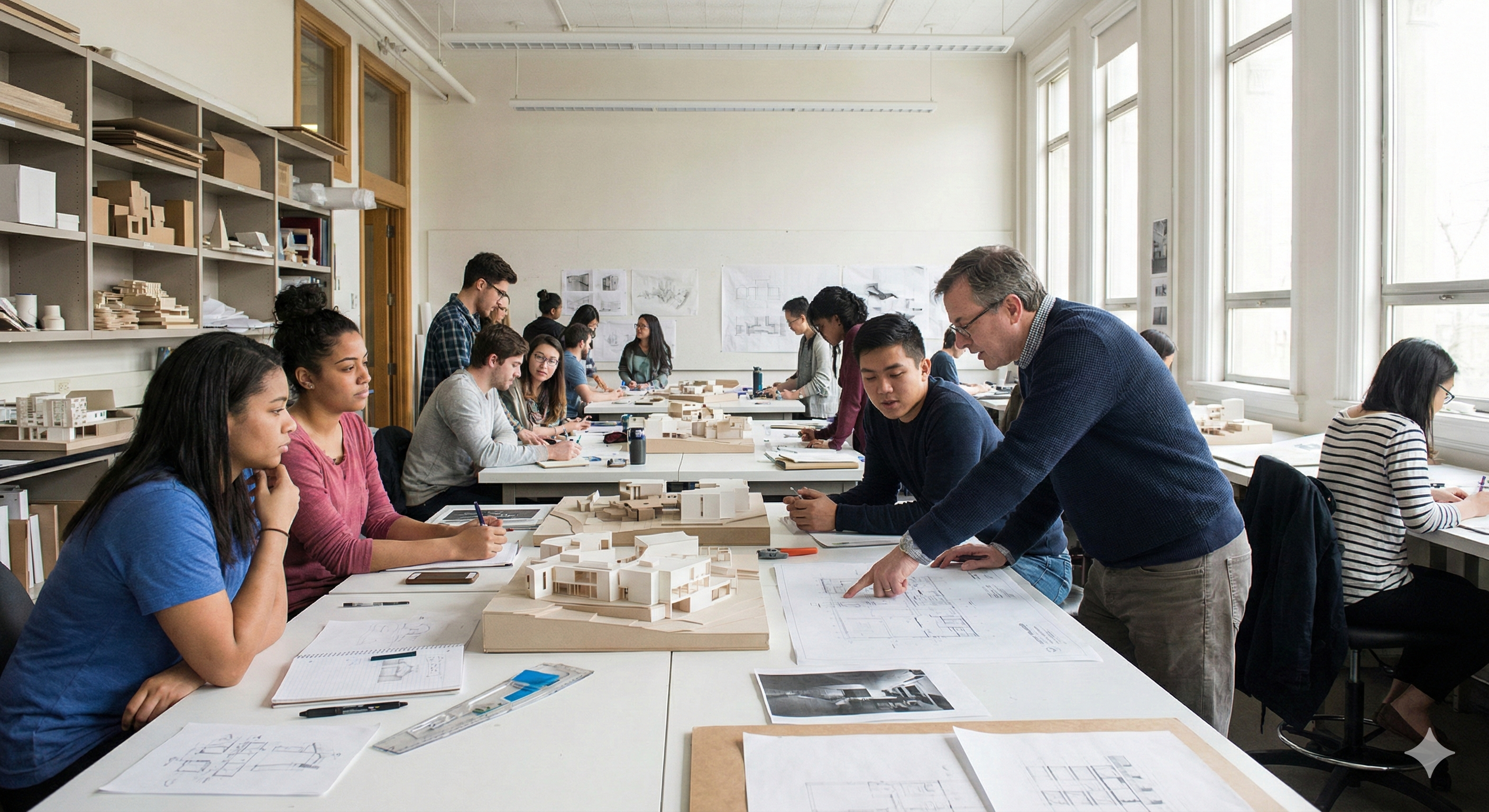
Sustainability has become a cornerstone of modern architectural design, with architects increasingly focusing on eco-friendly practices. Here are some innovative concepts that prioritize sustainability:
– Green Roofs and Vertical Gardens
- Benefits: Green roofs and vertical gardens help reduce urban heat, improve air quality, and provide insulation. They also create beautiful, natural environments in urban settings.
- Example: The Bosco Verticale in Milan features residential towers adorned with thousands of trees and plants, promoting biodiversity and enhancing residents’ quality of life.
– Passive Design Strategies
- Natural Light and Ventilation: Incorporating large windows, skylights, and open layouts allows for ample natural light and ventilation, reducing the need for artificial lighting and HVAC systems.
- Orientation and Materials: Designing buildings to take advantage of sunlight and prevailing winds can significantly lower energy consumption. Using sustainable materials further enhances this effect.
2. Flexible and Adaptive Spaces
Modern architectural design increasingly emphasizes flexibility and adaptability to meet the changing needs of occupants. Here are some concepts that highlight this trend:
– Modular Design
- Definition: Modular design involves creating structures using pre-fabricated sections or modules that can be easily assembled and reconfigured.
- Advantages: This approach allows for quick construction, reduced waste, and the ability to adapt spaces for different uses over time. An example is the “Hive” project, which consists of modular units that can be combined to create various living and working environments.
– Multi-Functional Spaces
- Designing for Versatility: Architects are designing spaces that serve multiple purposes, such as classrooms that can transform into event spaces or living areas that can easily convert into workspaces.
- Example: The “Flex House” concept incorporates movable walls and furniture, enabling residents to customize their living spaces according to their needs.
3. Integration of Technology
Technology is revolutionizing architectural design, enhancing both the functionality and experience of spaces. Here are some innovative tech-driven concepts:
– Smart Buildings
- Definition: Smart buildings utilize technology to improve efficiency, security, and comfort. This includes automated lighting, heating, and security systems that can be controlled remotely.
- Example: The Edge in Amsterdam is a prime example of a smart building, featuring advanced energy management systems and a design that maximizes natural light to reduce energy consumption.
– Augmented Reality (AR) and Virtual Reality (VR)
- Design Visualization: AR and VR technologies allow architects and clients to visualize designs in immersive environments before construction begins. This leads to better decision-making and client satisfaction.
- Application: Tools like SketchUp and Revit enable architects to create 3D models that clients can explore, providing a clearer understanding of the final product.
4. Community-Centric Design
Architectural design is increasingly focused on fostering community engagement and enhancing social interactions. Here are some concepts that promote community-centric design:
– Public Spaces and Placemaking
- Creating Gathering Places: Designing public spaces that encourage social interaction, such as parks, plazas, and community centers, enhances the sense of community and belonging.
- Example: The High Line in New York City transformed an abandoned railway into a vibrant public park, fostering community interaction and revitalizing the surrounding area.
– Inclusive Design
- Accessibility for All: Architects are prioritizing inclusive design, ensuring that spaces are accessible to people of all abilities. This includes features like ramps, wider doorways, and adaptable furniture.
- Community Engagement: Involving community members in the design process helps create spaces that reflect their needs and values, enhancing overall satisfaction and use.
5. Conclusion
In conclusion, architectural design is evolving to meet the demands of modern society through innovative concepts that prioritize sustainability, flexibility, technology, and community engagement. From green roofs and modular spaces to smart buildings and inclusive design, these ideas are shaping the future of our built environment. As we continue to explore and implement these concepts, we can create spaces that not only serve functional purposes but also enhance the quality of life for individuals and communities alike. Embracing these cool ideas will ensure that architectural design remains relevant and impactful in the years to come.