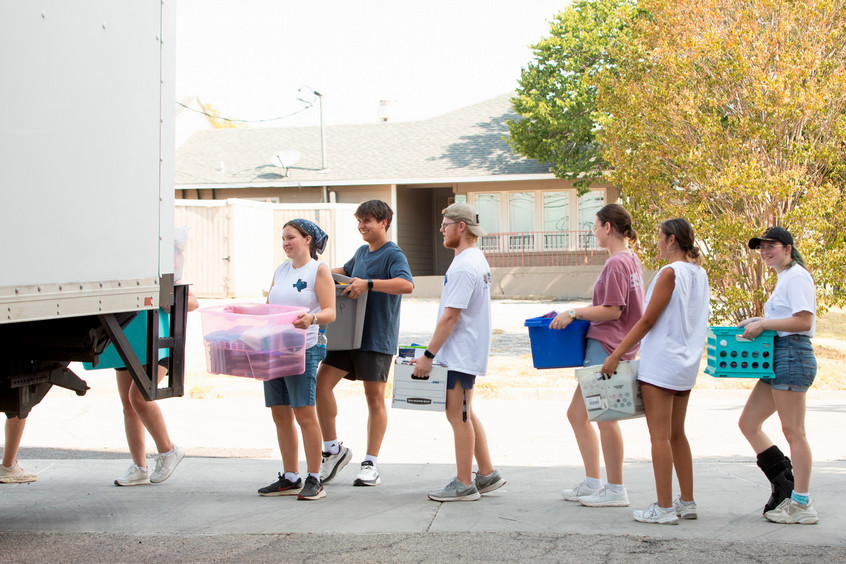
Volunteerism impact plays a significant role in shaping communities and enriching the lives of both volunteers and those they serve. College programs that emphasize volunteerism provide students with opportunities to engage with their communities, develop valuable skills, and contribute to meaningful causes. This article explores the various ways volunteerism impacts students, communities, and society as a whole, highlighting the importance of giving back during the college experience.
The Importance of Volunteerism in College

Participating in volunteer programs during college offers numerous benefits for students and the communities they serve:
Personal Growth and Development
- Skill Acquisition: Volunteerism allows students to develop practical skills such as communication, teamwork, leadership, and problem-solving. These skills are invaluable in both personal and professional contexts.
- Self-Discovery: Engaging in volunteer work can help students discover their passions and interests, guiding them toward future career paths and personal fulfillment.
Enhanced Academic Experience
- Real-World Application: Volunteerism provides students with opportunities to apply classroom knowledge in real-world settings. This hands-on experience enhances their understanding of course material and fosters critical thinking.
- Networking Opportunities: Volunteering can help students build connections with professionals and community leaders, potentially opening doors for internships and job opportunities after graduation.
Community Benefits of Volunteerism
The impact of volunteerism extends beyond individual growth; it significantly benefits the communities involved:
Addressing Community Needs
- Support for Local Organizations: College volunteers often assist local nonprofits, charities, and community organizations by providing manpower and resources. This support is crucial for organizations that may lack the funding or staff to fulfill their missions.
- Improving Quality of Life: Volunteer initiatives can address various community needs, including education, health, environmental conservation, and social services. By tackling these issues, volunteers contribute to a higher quality of life for community members.
Fostering Social Cohesion
- Building Community Connections: Volunteerism encourages interaction between students and community members, fostering relationships and breaking down barriers. This engagement promotes social cohesion and a sense of belonging.
- Cultural Exchange: Many college volunteer programs involve working with diverse populations, allowing students to learn about different cultures and perspectives. This exchange enriches the college experience and promotes inclusivity.
The Broader Impact of Volunteerism
Beyond individual and community benefits, volunteerism has a broader societal impact:
Promoting Civic Engagement
- Encouraging Active Citizenship: Volunteerism instills a sense of civic responsibility in students, encouraging them to become active participants in their communities and society. This engagement fosters a culture of giving back and social responsibility.
- Inspiring Future Generations: College students who engage in volunteerism often inspire their peers and younger generations to participate in community service, creating a ripple effect of positive change.
Contributing to Social Change
- Advocacy and Awareness: Volunteer projects often raise awareness about social issues, encouraging advocacy and action. Students can become advocates for causes they are passionate about, driving social change and influencing public policy.
- Addressing Systemic Issues: Through targeted volunteer efforts, students can help address systemic issues such as poverty, inequality, and environmental degradation. Their contributions can lead to long-term improvements in community conditions.
How Colleges Support Volunteerism
Many colleges and universities actively promote volunteerism through various programs and initiatives:
Service-Learning Programs
- Integration with Curriculum: Service-learning programs combine academic coursework with community service, allowing students to earn credits while making a positive impact. This integration enhances the educational experience and reinforces the importance of civic engagement.
Volunteer Centers and Organizations
- Resource Hubs: Many colleges have dedicated volunteer centers that connect students with local organizations and service opportunities. These centers provide resources, training, and support for students interested in volunteering.
- Organized Events: Colleges often host volunteer events, such as community service days or fundraising campaigns, encouraging students to participate and give back collectively.
Conclusion
In conclusion, the volunteerism impact in college programs is profound, benefiting students, communities, and society at large. Through volunteerism, students gain valuable skills, enhance their academic experiences, and contribute to meaningful causes. Communities benefit from the support and resources provided by college volunteers, leading to improved quality of life and social cohesion.
Moreover, volunteerism fosters civic engagement and inspires future generations to become active participants in their communities. By prioritizing volunteerism, colleges and universities not only enrich the lives of their students but also play a crucial role in driving positive social change. Embracing volunteerism as a core component of the college experience cultivates a culture of giving back that resonates well beyond the campus.