The scientific method is a systematic approach to inquiry that forms the backbone of scientific research. It provides a structured pathway for exploring questions, testing hypotheses, and drawing conclusions based on empirical evidence. My journey through university research has been filled with both successes and mishaps, offering valuable lessons about the scientific method and the nature of discovery. This article shares my experiences and insights gained while navigating the fascinating world of scientific inquiry.
The Foundation of the Scientific Method

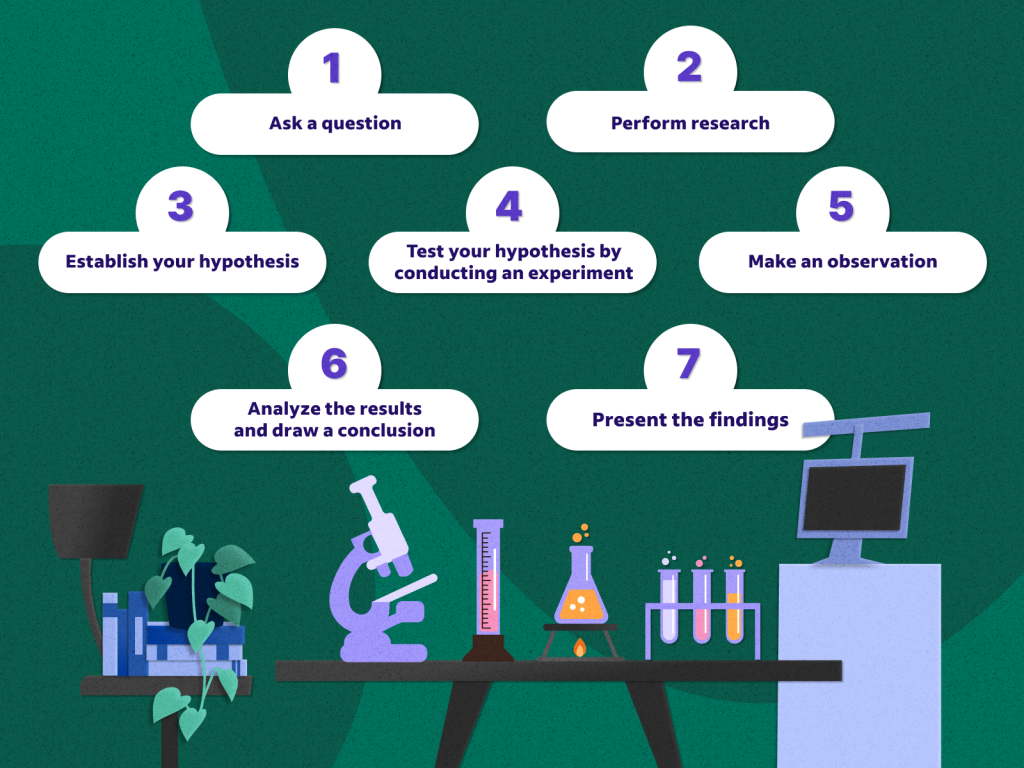
At its core, the scientific method consists of several key steps that guide researchers in their investigations:
- Observation: The process begins with observing phenomena and identifying questions that spark curiosity. These observations can arise from everyday experiences or previous research findings.
- Research: After formulating a question, the next step involves conducting background research to gather existing information. This step helps refine the question and informs the development of a hypothesis.
- Hypothesis Formation: A hypothesis is a testable statement that predicts the relationship between variables. Crafting a clear and concise hypothesis is crucial for guiding the research process.
- Experimentation: This step involves designing and conducting experiments to test the hypothesis. Careful planning is essential to ensure that the experiment is controlled, repeatable, and capable of producing reliable data.
- Data Analysis: Once the experiments are conducted, researchers analyze the collected data to determine whether it supports or refutes the hypothesis. Statistical methods may be employed to interpret the results accurately.
- Conclusion: Based on the data analysis, researchers draw conclusions and communicate their findings. If the hypothesis is supported, it may lead to further exploration; if not, it may prompt a reevaluation of the hypothesis or the research approach.
My Journey with the Scientific Method
As I embarked on my university research journey, I was eager to apply the scientific method to real-world questions. However, my experiences taught me that the path to discovery is often filled with unexpected twists and turns.
1. The Importance of Observation
- Curiosity Sparks Questions: My first research project began with a simple observation in a biology lab. I noticed that certain plants thrived under specific light conditions. This curiosity led me to formulate a question about the effects of light on plant growth.
- Learning from Mistakes: Initially, I overlooked the importance of controlling variables. I conducted my experiments without accounting for factors like soil type and water availability. The results were inconsistent, highlighting the need for careful observation and control in experimental design.
2. Research and Hypothesis Development
- Building on Existing Knowledge: Conducting literature reviews helped me understand previous research on plant growth and light exposure. This knowledge informed my hypothesis: “Plants exposed to blue light will exhibit greater growth than those exposed to red light.”
- Refining the Hypothesis: Through discussions with my professor and peers, I learned the importance of refining my hypothesis to make it more specific and testable. This process enhanced my understanding of the scientific method and its application.
3. Experimentation and Data Collection
- Designing the Experiment: With a clearer hypothesis, I designed an experiment that controlled variables such as soil type, water, and light intensity. I set up multiple trials to ensure reliability in my results.
- Goofing Up with Data Collection: In my eagerness, I neglected to keep detailed records of my observations during the experiments. When it came time to analyze the data, I found gaps in my notes, making it challenging to draw accurate conclusions. This experience taught me the importance of meticulous data collection and documentation.
Learning from Data Analysis
Once I had gathered sufficient data, I faced the next challenge: analyzing the results.
1. Interpreting Results
- Statistical Analysis: I learned to apply basic statistical methods to analyze my data, comparing the growth rates of plants under different light conditions. This analysis revealed trends that supported my hypothesis.
- Facing Unexpected Outcomes: However, I also encountered unexpected results. Some plants under red light showed surprising growth patterns. This prompted me to explore alternative explanations and consider factors I had previously overlooked.
2. Drawing Conclusions
- Revisiting the Hypothesis: The unexpected results led me to revisit my hypothesis and consider additional variables that might influence plant growth. This iterative process is a key aspect of the scientific method, emphasizing that research is not always linear.
- Communicating Findings: I presented my findings at a university symposium, sharing both my successes and the lessons learned from my mistakes. This experience reinforced the importance of transparency in research and the value of collaboration in the scientific community.
Conclusion
In conclusion, my journey through the scientific method at university has been a transformative experience filled with learning opportunities, both from my successes and my goofs. By engaging in observation, research, hypothesis development, experimentation, and data analysis, I gained a deeper understanding of the scientific process and its application in real-world contexts.
The scientific method is not just a rigid framework; it is a https://2016.mekongtourismforum.org/ dynamic approach that encourages curiosity, critical thinking, and adaptability. As I continue my journey in research, I carry forward the lessons learned, embracing the challenges and discoveries that lie ahead. Ultimately, the scientific method is a powerful tool for exploring the world and contributing to our understanding of it, and I am excited to see where it takes me next.