Field study tours are invaluable educational experiences that allow students to engage with real-world environments, enhancing their understanding of various subjects through hands-on learning. However, to make the most of these tours, it’s essential to be well-prepared. This article outlines the field study tours essentials, including packing tips, necessary permits, and the educational outcomes that make these experiences unforgettable.
The Importance of Field Study Tours
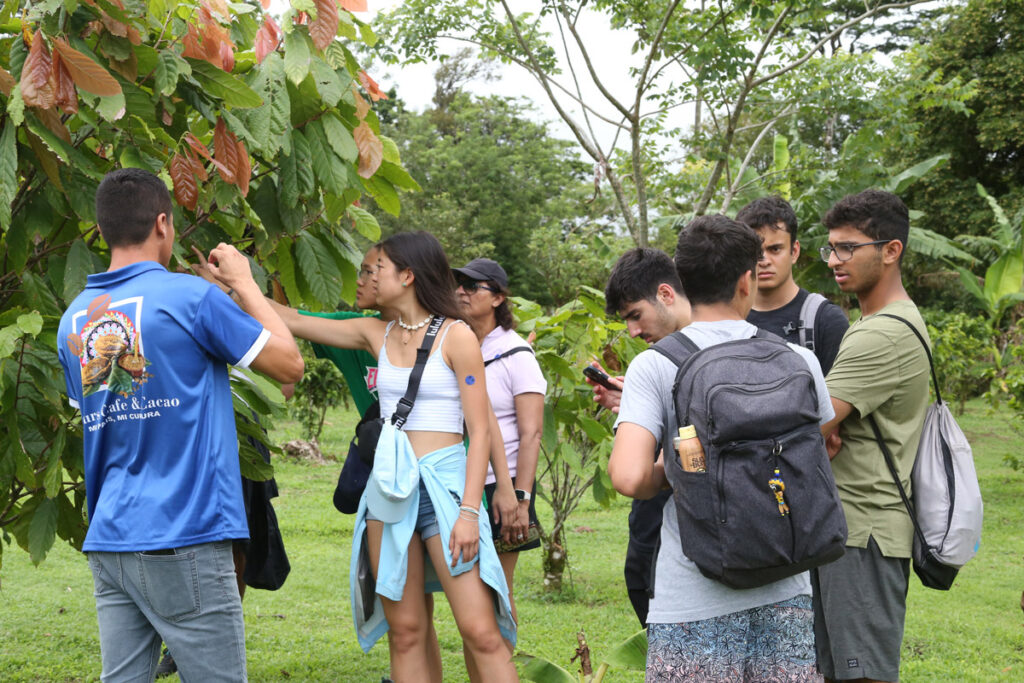
Field study tours provide numerous benefits, including:
- Hands-On Learning: Students can apply theoretical knowledge in practical settings, deepening their understanding of the subject matter.
- Enhanced Engagement: Experiencing learning outside the classroom fosters greater interest and enthusiasm for the topic.
- Critical Thinking: Field studies encourage students to observe, analyze, and draw conclusions based on real-world data, enhancing critical thinking skills.
Field Study Tours Essentials
To ensure a successful and enriching field study tour, consider the following essentials:
1. Packing Tips
Packing wisely is crucial for a smooth field study experience. Here’s what to include:
- Appropriate Clothing: Check the weather forecast for your destination and pack accordingly. Layering is often a good strategy, as it allows for flexibility in changing conditions. Include comfortable shoes for walking and any specific attire required for fieldwork (e.g., lab coats, safety goggles).
- Field Equipment: Depending on the focus of your study, pack necessary tools such as notebooks, pens, cameras, field guides, and any specialized equipment (e.g., measuring devices, sampling kits).
- Personal Items: Don’t forget essentials like toiletries, medications, a reusable water bottle, and snacks. Staying hydrated and nourished is important during long days of exploration.
- Technology: Bring a charged smartphone or tablet for navigation, research, and communication. Consider packing a portable charger to keep devices powered throughout the day.
2. Permits and Documentation
Before embarking on your field study tour, ensure that you have all necessary permits and documentation:
- Travel Permits: Depending on the location, you may need permits for access to certain sites or areas, especially if they are protected or restricted. Research and obtain these permits well in advance.
- Insurance: Verify that you have appropriate travel and health insurance coverage. This is especially important for trips involving outdoor activities or international travel.
- Parental Consent Forms: If you are a student traveling as part of a school group, ensure that all necessary consent forms are signed and submitted to the appropriate authorities.
3. Educational Outcomes
Field study tours offer unique educational outcomes that can significantly enhance learning:
- Real-World Application: Students gain firsthand experience related to their studies, allowing them to see the practical applications of classroom concepts. For example, biology students may observe ecosystems in their natural habitats, while history students can explore archaeological sites.
- Collaboration and Teamwork: Working in groups during field studies fosters collaboration and teamwork skills. Students learn to communicate effectively, share responsibilities, and support one another in achieving common goals.
- Cultural Awareness: If the field study involves travel to different regions or countries, students gain exposure to diverse cultures, enhancing their global awareness and understanding of different perspectives.
- Research Skills: Field studies often involve data collection and analysis, helping students develop essential research skills that are applicable in academic and professional settings.
Tips for Maximizing Your Field Study Experience
To make the most of your field study tour, consider these additional tips:
- Engage Actively: Participate fully in all activities and discussions. Ask questions, take notes, and immerse yourself in the experience.
- Network with Experts: Take advantage of opportunities to interact with instructors, guides, and local experts. Their insights can provide valuable context and enrich your understanding of the subject matter.
- Reflect on Your Experience: After the tour, take time to reflect on what you learned. Consider how the experience relates to your studies and how you can apply the knowledge gained in the future.
Conclusion
In conclusion, field study tours are essential educational experiences that provide hands-on learning opportunities and foster personal growth. By focusing on packing essentials, obtaining necessary permits, and understanding the educational outcomes, students can maximize their field study experiences.
Embrace the adventure and the chance to learn outside the classroom. The insights gained from field study tours are not only memorable but also invaluable for your academic and professional journey. Prepare well, engage fully, and enjoy the transformative power of experiential learning!