

Research methods Essentials

Research methods Essentials: Proven Techniques for University Students

Jakarta, studyinca.ac.idUnderstanding research methods is crucial for university students as they embark on academic projects, theses, and dissertations. Mastering research methods essentials equips students with the tools to gather, analyze, and interpret data effectively, enabling them to produce high-quality research outcomes. This article outlines key research methods, essential techniques for conducting research, and tips for successfully navigating the research process.
The Importance of Research Methods

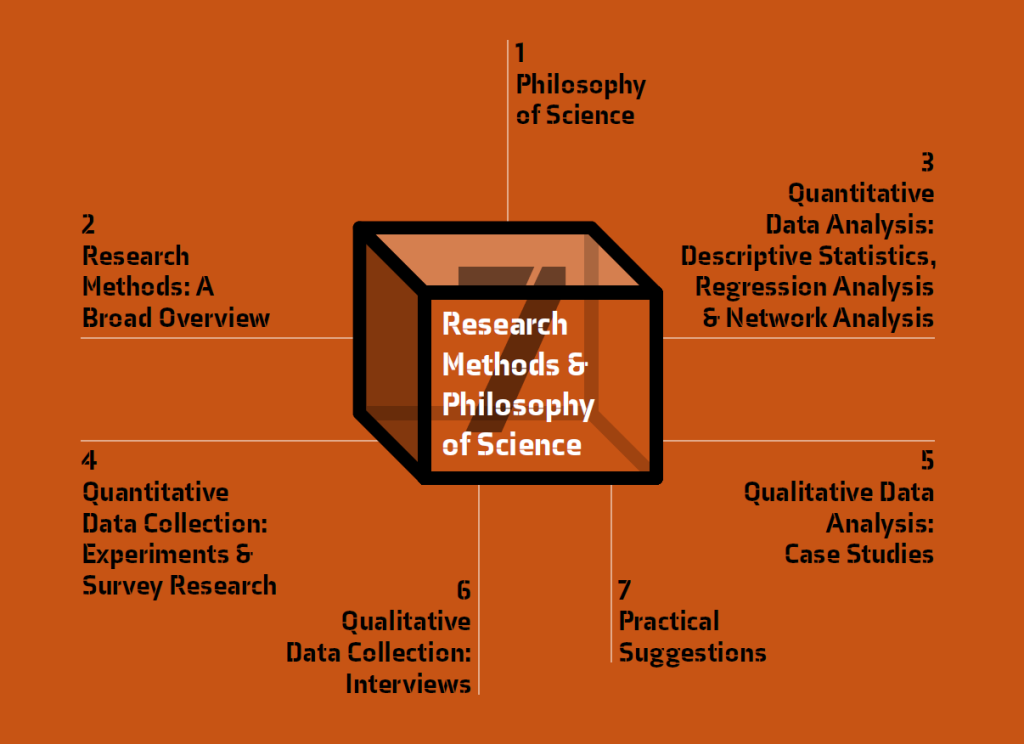
Building Block 7: Research Methods & Philosophy of Science – Economy Studies

  1. Foundation of Knowledge: Research methods provide a systematic approach to inquiry, allowing students to explore questions, test hypotheses, and build knowledge within their fields of study.

  2. Critical Thinking Skills: Engaging in research fosters critical thinking, enabling students to evaluate information, identify biases, and make informed decisions based on evidence.

  3. Academic Integrity: Understanding research methods helps students conduct ethical research by recognizing the importance of proper citation, avoiding plagiarism, and respecting the rights of participants.

  4. Real-World Applications: Research skills are invaluable in various professions, making students more competitive in the job market. Employers often seek individuals who can analyze data, solve problems, and communicate findings effectively.

Key Research Methods

  1. Qualitative Research:

    • Definition: Qualitative research focuses on understanding human behavior, experiences, and social phenomena through non-numerical data. It often involves interviews, focus groups, and observations.
    • Techniques:
      • Interviews: Conduct one-on-one or group interviews to gather in-depth insights from participants.
      • Focus Groups: Facilitate discussions with a small group of individuals to explore perceptions and opinions on a specific topic.
      • Observations: Observe subjects in their natural environment to gain insights into behaviors and interactions.
  2. Quantitative Research:

    • Definition: Quantitative research involves the collection and analysis of numerical data to identify patterns, relationships, and statistical significance. It often employs surveys, experiments, and statistical analysis.
    • Techniques:
      • Surveys: Design and distribute questionnaires to collect data from a large sample. Use closed-ended questions for quantitative analysis.
      • Experiments: Conduct controlled experiments to test hypotheses and establish cause-and-effect relationships.
      • Statistical Analysis: Use statistical software (e.g., SPSS, R) to analyze data and interpret results.
  3. Mixed Methods Research:

    • Definition: Mixed methods research combines qualitative and quantitative approaches to provide a comprehensive understanding of a research question.
    • Techniques:
      • Sequential Explanatory Design: Collect quantitative data first, followed by qualitative data to explain the quantitative findings.
      • Concurrent Triangulation Design: Collect qualitative and quantitative data simultaneously to compare and validate results.

Essential Techniques for Conducting Research

  1. Literature Review:

    • Conduct a thorough literature review to identify existing research, theories, and gaps in knowledge related to your topic. This step helps refine your research question and establishes a foundation for your study.
  2. Formulating Research Questions:

    • Develop clear and focused research questions or hypotheses. A well-defined research question guides the direction of your study and helps determine the appropriate research methods.
  3. Sampling Techniques:

    • Choose an appropriate sampling method to select participants for your study. Common sampling techniques include:
      • Random Sampling: Every individual in the population has an equal chance of being selected.
      • Stratified Sampling: The population is divided into subgroups, and samples are taken from each subgroup to ensure representation.
      • Convenience Sampling: Participants are selected based on their availability and willingness to participate.
  4. Data Collection:

    • Utilize reliable and valid data collection methods that align with your research design. Ensure that your instruments (e.g., surveys, interview guides) are well-structured and tested for accuracy.
  5. Data Analysis:

    • Analyze the collected data using appropriate statistical or qualitative analysis techniques. For quantitative data, use descriptive and inferential statistics. For qualitative data, employ thematic analysis or coding methods.
  6. Ethical Considerations:

    • Adhere to ethical guidelines throughout the research process. Obtain informed consent from participants, ensure confidentiality, and avoid any form of harm or deception.

Tips for Successfully Navigating the Research Process

  1. Create a Research Timeline:

    • Develop a timeline that outlines key milestones and deadlines for each phase of the research process. This helps manage time effectively and keeps the project on track.
  2. Seek Guidance and Feedback:

    • Consult with professors, advisors, or peers for feedback on your research proposal, methodology, and findings. Constructive feedback can enhance the quality of your research.
  3. Stay Organized:

    • Keep meticulous records of your research activities, including notes, data, and references. Use organizational tools such as reference management software (e.g., Zotero, EndNote) to manage citations.
  4. Practice Effective Writing:

    • Develop strong writing skills to communicate your research findings clearly and concisely. Follow the appropriate academic writing style (e.g., APA, MLA) for your discipline.
  5. Prepare for Presentation:

    • Be prepared to present your research findings to an audience. Develop effective presentation skills to convey your message clearly and engage your audience.

Conclusion

In conclusion, mastering research methods essentials is fundamental for university students seeking to conduct meaningful research. By understanding various research methods, employing essential techniques, and following best practices, students can enhance their research skills and produce high-quality academic work. The ability to conduct thorough and ethical research not only contributes to academic success but also prepares students for future professional endeavors in a data-driven world.

Explore our “Knowledge” category for more insightful content!

Don't forget to check out our previous article: Career planning Roadmap: Mapping Your Future Path for University Students

Author