
Jakarta, studyinca.ac.id – Urban studies is an interdisciplinary field that examines the complexities of urban life, focusing on the social, economic, political, and environmental dynamics of cities. As urbanization continues to shape the world, understanding these dynamics is crucial for students and professionals alike. This article explores the significance of urban studies in a university context, key themes and methodologies, and the impact of urban research on community development and policy-making.
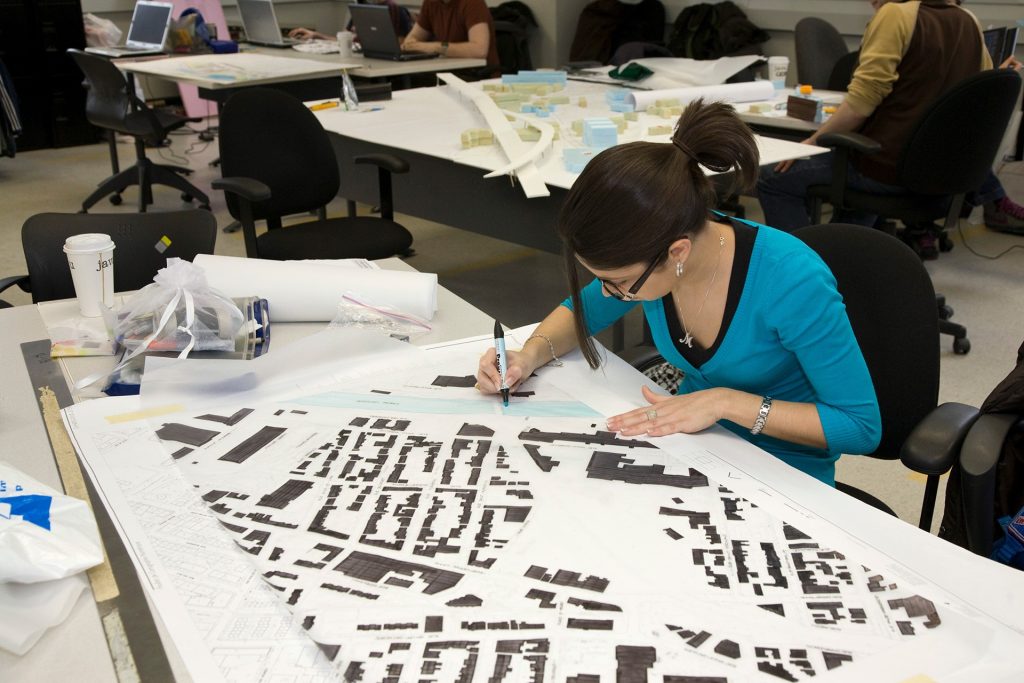
The Importance of Urban Studies

-
Understanding Urbanization: Urban studies helps students comprehend the processes of urbanization, including migration patterns, population growth, and the development of urban areas. This understanding is essential for addressing the challenges and opportunities that arise in rapidly growing cities.
-
Interdisciplinary Approach: The field draws from various disciplines, including sociology, geography, economics, political science, and environmental studies. This interdisciplinary approach allows students to analyze urban issues from multiple perspectives and develop comprehensive solutions.
-
Addressing Urban Challenges: Cities face numerous challenges, including housing shortages, transportation issues, environmental degradation, and social inequality. Urban studies equips students with the tools to analyze these challenges and propose effective policy responses.
-
Promoting Sustainable Development: Urban studies emphasizes the importance of sustainability in urban planning and development. Students learn to assess the environmental impact of urban growth and advocate for sustainable practices that benefit both people and the planet.
-
Engagement with Communities: Urban studies encourages students to engage with local communities, fostering a sense of social responsibility. By conducting research and participating in community projects, students can contribute to positive change and empower residents.
Key Themes in Urban Studies
-
Urban Planning and Design:
- Explore the principles of urban planning and the role of design in shaping cities. This includes land use, zoning laws, public spaces, and infrastructure development.
-
Social Dynamics:
- Analyze the social fabric of urban areas, including issues of race, class, gender, and identity. Understanding these dynamics is crucial for addressing social inequalities and promoting inclusivity.
-
Economic Development:
- Examine the economic forces that drive urban growth, including job creation, investment, and entrepreneurship. Students learn about the role of local economies and the impact of globalization on cities.
-
Transportation and Mobility:
- Investigate transportation systems and their influence on urban life. This theme encompasses public transit, walkability, and the relationship between mobility and access to resources.
-
Environmental Sustainability:
- Study the environmental challenges faced by cities, such as pollution, climate change, and resource depletion. Urban studies emphasizes the importance of sustainable practices in urban development.
-
Governance and Policy:
- Analyze the political structures and governance models that shape urban policy. This includes the role of local government, community organizations, and citizen engagement in decision-making processes.
Methodologies in Urban Studies
-
Qualitative Research:
- Utilize interviews, focus groups, and ethnographic studies to gather in-depth insights into urban experiences and perceptions. Qualitative methods provide a rich understanding of social dynamics and community needs.
-
Quantitative Research:
- Employ statistical analysis and data collection methods, such as surveys and census data, to examine patterns and trends in urban populations. Quantitative research helps identify correlations and causal relationships.
-
Spatial Analysis:
- Use Geographic Information Systems (GIS) and mapping techniques to analyze spatial relationships and visualize urban data. Spatial analysis is crucial for understanding the geographic distribution of resources and populations.
-
Case Studies:
- Conduct case studies of specific cities or neighborhoods to explore unique urban challenges and solutions. Case studies provide practical examples that can inform broader urban theory and practice.
-
Participatory Research:
- Engage community members in the research process, allowing them to contribute their knowledge and perspectives. Participatory research fosters collaboration and empowers residents to influence outcomes.
Impact of Urban Studies on Community Development
-
Informing Policy Decisions:
- Research conducted in urban studies can inform local policymakers and stakeholders, guiding decisions that affect urban development and community well-being.
-
Enhancing Community Engagement:
- Urban studies encourages collaboration between universities and local communities, fostering partnerships that address pressing urban issues and promote civic engagement.
-
Promoting Equity and Inclusion:
- By analyzing social dynamics and inequalities, urban studies advocates for policies and practices that promote equity and inclusion in urban environments.
-
Sustainable Urban Planning:
- Research findings can lead to the implementation of sustainable urban planning practices that prioritize environmental health, social equity, and economic viability.
-
Building Resilient Cities:
- Urban studies contributes to the development of resilient cities capable of adapting to challenges such as climate change, economic shifts, and social unrest.
Conclusion
In conclusion, urban studies is a vital field that equips students with the knowledge and skills to analyze and address the complex dynamics of urban life. By exploring key themes, methodologies, and the impact of urban research on community development, students can contribute to creating sustainable, equitable, and vibrant cities. As urbanization continues to shape the global landscape, the insights gained from urban studies will be essential for building a better future for urban communities.
Explore our “Knowledge” category for more insightful content!
Don't forget to check out our previous article: Research methods Essentials: Proven Techniques for University Students