
Agricultural Innovation

Agricultural Innovation: Feeding the World in College

Jakarta, studyinca.ac.idAgricultural innovation plays a crucial role in addressing the challenges of food security and sustainable development. As the global population continues to grow, innovative approaches in agriculture are essential to enhance productivity, improve food quality, and ensure environmental sustainability. College students studying agricultural sciences have a unique opportunity to engage in research and development that can transform the agricultural landscape. This article explores the importance of agricultural innovation, key areas of focus, and how college students can contribute to feeding the world.
The Importance of Agricultural Innovation

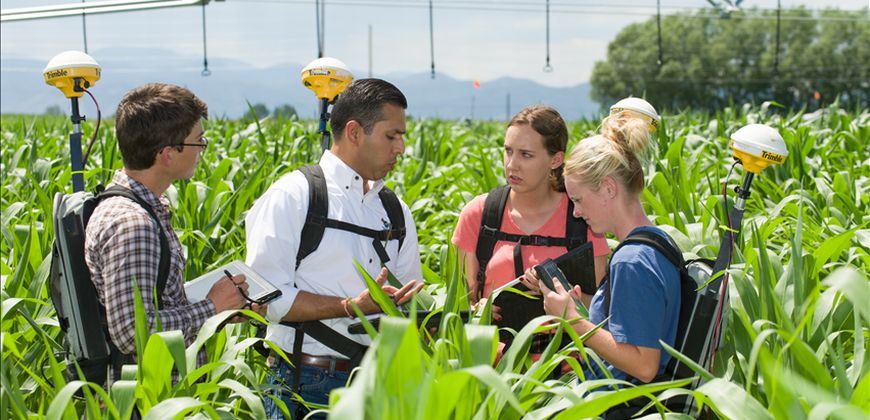
The forefront of agriculture and food innovation | Colorado State University

  1. Food Security: With an estimated global population of nearly 10 billion by 2050, ensuring food security is a pressing challenge. Agricultural innovation helps increase crop yields, improve resilience to climate change, and reduce post-harvest losses, all of which are essential for meeting the growing food demand.

  2. Sustainability: Innovative agricultural practices promote sustainability by minimizing the environmental impact of farming. This includes reducing water usage, lowering greenhouse gas emissions, and enhancing soil health. Sustainable agriculture is vital for preserving ecosystems and ensuring long-term food production.

  3. Economic Growth: Agricultural innovation drives economic growth in rural areas by creating job opportunities and enhancing the livelihoods of farmers. Innovations in farming techniques, supply chain management, and agribusiness can lead to increased income and improved standards of living.

  4. Technological Advancements: The integration of technology in agriculture—such as precision farming, biotechnology, and data analytics—has revolutionized the way food is produced. These advancements enable farmers to make informed decisions, optimize resource use, and increase overall efficiency.

Key Areas of Focus in Agricultural Innovation

  1. Crop Improvement:

    • Genetic modification and selective breeding are essential for developing crop varieties that are more resilient to pests, diseases, and environmental stresses. Innovations in biotechnology can lead to higher yields and improved nutritional content.
  2. Sustainable Practices:

    • Practices such as agroecology, organic farming, and permaculture promote sustainability by working in harmony with nature. These methods focus on biodiversity, soil health, and ecosystem services, reducing the reliance on chemical inputs.
  3. Smart Farming Technologies:

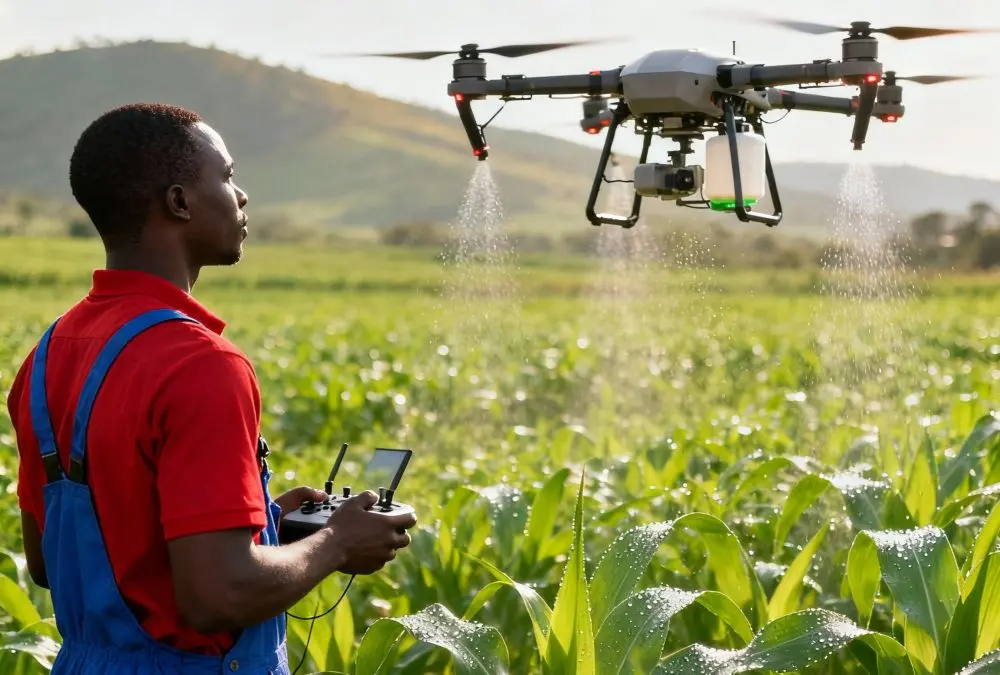
    • Precision agriculture technologies, including drones, sensors, and GPS-guided equipment, allow farmers to monitor and manage their fields more effectively. These tools help optimize inputs, reduce waste, and improve crop management.
  4. Water Management:

    • Innovative irrigation techniques, such as drip irrigation and rainwater harvesting, are crucial for efficient water use in agriculture. These methods help conserve water resources and increase crop productivity, especially in arid regions.
  5. Supply Chain Optimization:

    • Innovations in logistics, distribution, and food processing can reduce food waste and improve the efficiency of food supply chains. Streamlining these processes ensures that food reaches consumers in a timely manner while maintaining quality.

How College Students Can Contribute

  1. Engage in Research:

    • College students can participate in research projects focused on agricultural innovation. This may involve working with faculty on experiments related to crop improvement, sustainable practices, or technology applications in agriculture.
  2. Internships and Hands-On Experience:

    • Seeking internships with agricultural companies, research institutions, or non-profit organizations can provide valuable hands-on experience. Students can gain insights into real-world challenges and solutions in the agricultural sector.
  3. Participate in Competitions:

    • Many colleges host competitions related to agricultural innovation, such as hackathons or innovation challenges. Participating in these events allows students to develop creative solutions to pressing agricultural issues.
  4. Collaborate with Peers:

    • Forming study groups or clubs focused on agricultural topics can foster collaboration and idea-sharing among students. Working together on projects or initiatives can lead to innovative solutions and enhance learning.
  5. Advocate for Sustainable Practices:

    • Students can advocate for sustainable agricultural practices on campus and in their communities. This can involve organizing workshops, seminars, or awareness campaigns to promote the importance of innovation in agriculture.

Conclusion

In conclusion, agricultural innovation is essential for feeding the world and ensuring a sustainable future. College students studying agricultural sciences have a unique opportunity to engage in research, develop new technologies, and advocate for sustainable practices that can transform the agricultural landscape. By embracing innovation and collaborating with peers, students can contribute to solutions that address global food security challenges and promote a more sustainable agricultural system.

Explore our “Knowledge” category for more insightful content!

Don't forget to check out our previous article: Sales Techniques: Persuading Clients in College

Author