Why Folklore Traditions Matter in Higher Education
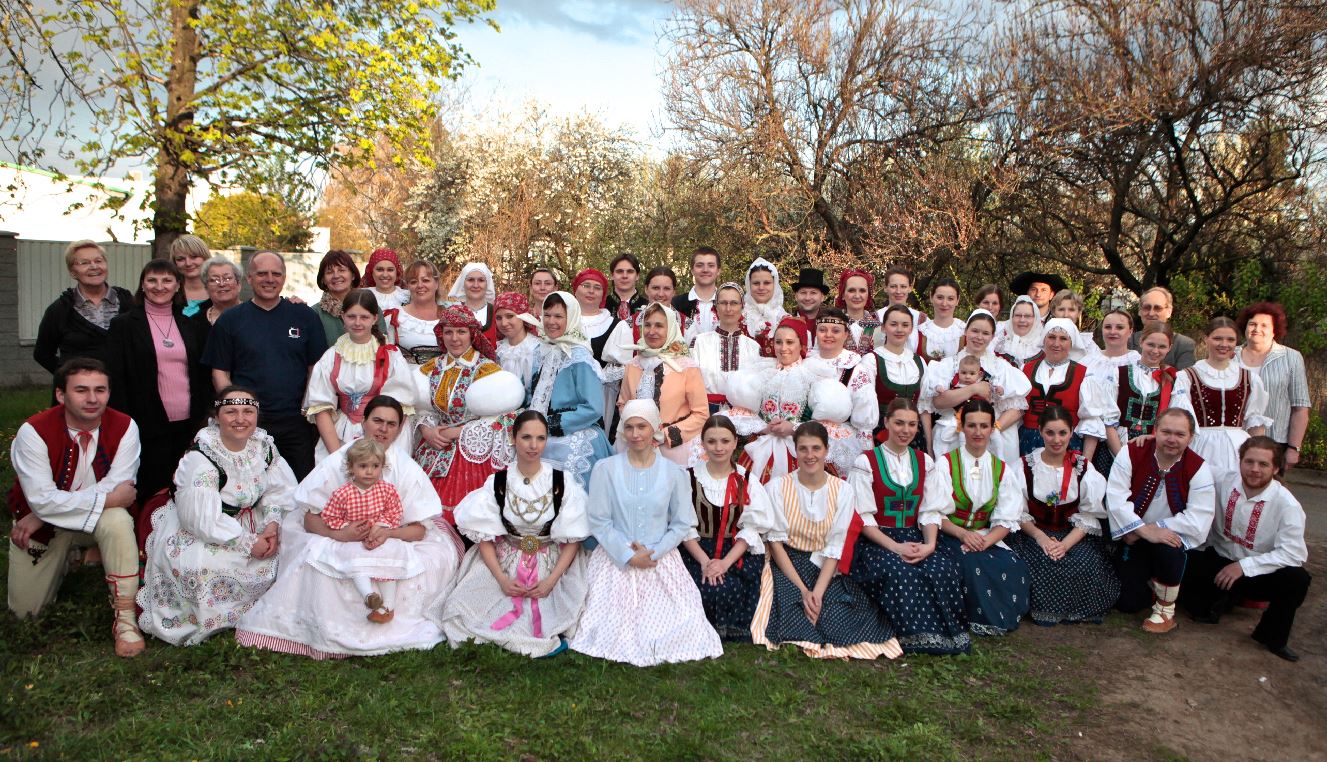
At university, Folklore Traditions become more than cultural artifacts. They become a serious field of study and a bridge between generations. In my experience, universities play an important role in documenting customs that may otherwise fade over time. This includes local legends, songs, rituals, craft practices, and beliefs that communities have passed down for decades or even centuries.
What makes this important is not only preservation. It is also interpretation. Students and researchers can study how folklore reflects values, fears, moral codes, and social structures. That process creates Knowledge that is both academic and deeply human. We begin to understand not just what people practiced, but why those practices mattered.
My Experience Learning Folklore at University
One of the first things I learned was that folklore is not limited to ancient material. I used to think folklore only meant something very old, untouched, and rural. That was one of my early mistakes. In reality, folklore can evolve. It can survive in urban spaces, student communities, and even digital culture, as long as it carries shared meaning and collective memory.
In class discussions, I found that folklore often reveals the emotional heart of a community. A simple harvest ritual, for example, might express gratitude, fear of uncertainty, or respect for nature. A folktale told by elders may teach caution, honesty, or resilience. Once I started reading folklore this way, I stopped seeing it as background material and began seeing it as living heritage.
Common Mistakes in Studying Folklore Traditions
Students often approach Folklore Traditions with curiosity, but a few patterns can weaken their analysis.
Treating folklore as outdated
This is probably the most common mistake. Folklore is not irrelevant just because it is old. In many cases, it still shapes behavior, celebrations, and community values today.
Ignoring the people behind the tradition
A tradition is not only the ritual or the story. It also belongs to the people who maintain it. Studying folklore without listening to community voices can make the work feel incomplete.
Focusing only on the performance
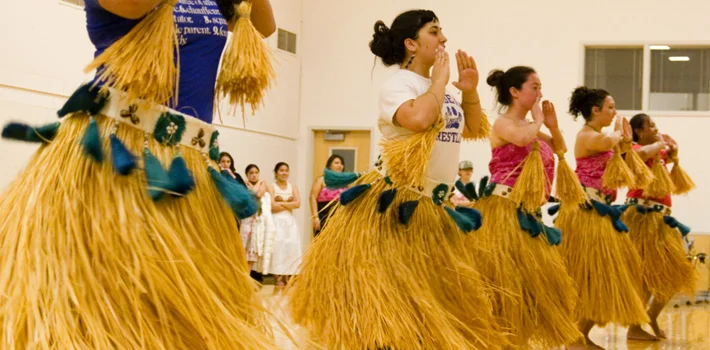
It is easy to admire the costume, the dance, or the storytelling style. But the deeper meaning matters just as much. Good analysis asks what the tradition represents and why it continues.
Assuming preservation means freezing change
I learned this lesson the hard way. Preservation does not always mean keeping a tradition exactly the same forever. Some traditions survive because communities adapt them to new realities while protecting their core meaning.
Practical Ways Universities Can Preserve Folklore Traditions
From what I have seen, universities are in a strong position to support Folklore Traditions in practical and respectful ways.
Oral history projects
Students can record interviews with elders, cultural leaders, and local artists. This helps protect stories and practices that may never have been formally documented.
Cultural archives
Universities can build digital or physical archives for manuscripts, songs, photographs, and ceremonial records. This creates long-term access for both researchers and communities.
Community partnerships
Preservation works best when universities collaborate with the people who own the tradition. Research should not feel extractive. It should feel respectful and mutually valuable.
Student events and exhibitions
Festivals, seminars, performances, and exhibitions can introduce younger audiences to traditional practices in a meaningful way. This also keeps folklore visible on campus.
Why This Topic Still Feels Relevant
I think Folklore Traditions matter even more today because universities are full of students trying to understand who they are and where they come from. In a fast-moving world, heritage can give people a sense of continuity. It offers memory, belonging, and perspective.
There is also a wider benefit. When students study folklore seriously, they often become more sensitive to cultural diversity. They learn that traditions are not random habits. They are expressions of worldview, survival, and identity. That kind of understanding is valuable far beyond the classroom.
Final Thoughts
For me, studying Folklore Traditions at university opened a deeper conversation about culture and responsibility. Heritage is not preserved by accident. It survives because people care enough to remember it, study it, record it, and pass it on.
That is where universities matter. They do not just store information. They create spaces where tradition can be examined, respected, and kept alive. And in that process, students gain more than academic insight. They gain a stronger connection to the stories and practices that shape human communities.
Explore our “Knowledge” category for more insightful content!
Don't forget to check out our previous article: Creative Expression: Unleashing Artistic Potential at University