Why Conflict Transformation Matters at University
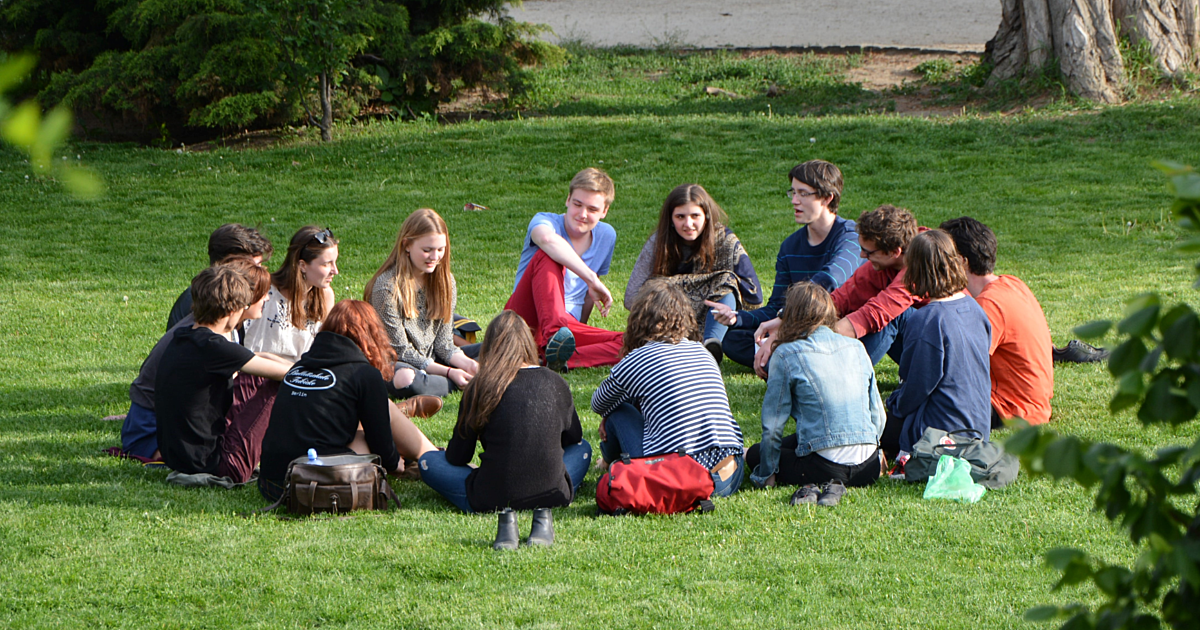
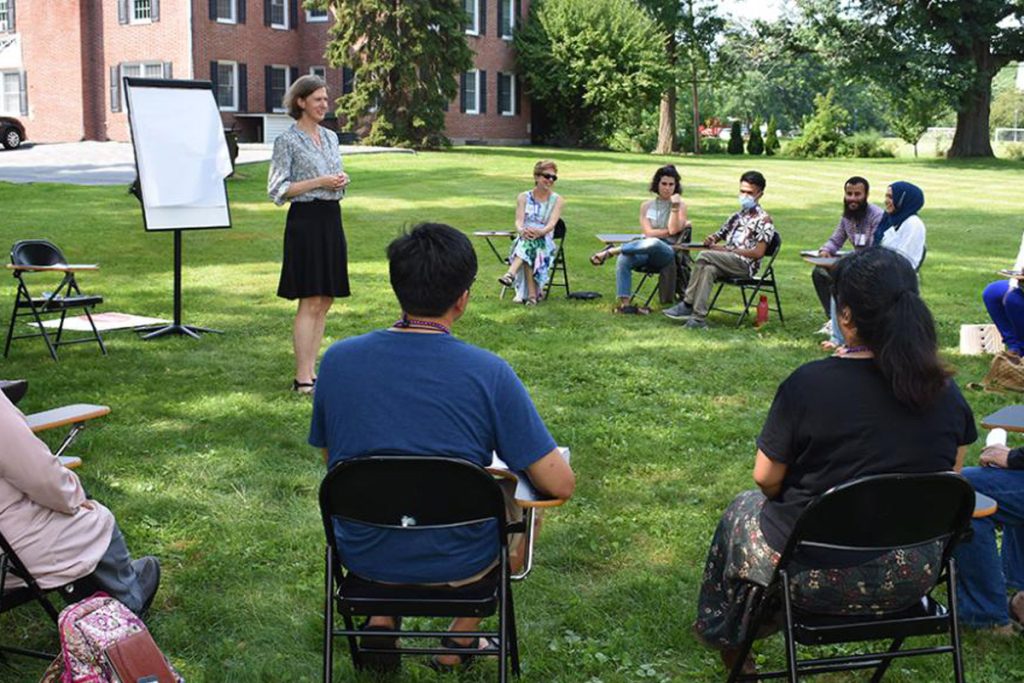
At university, Conflict Transformation matters because students, faculty, and staff share spaces, responsibilities, and expectations that regularly overlap. Differences in opinion, communication style, academic pressure, and cultural background can easily lead to tension. If these disputes are handled poorly, they can damage trust and make future cooperation more difficult.
What I find especially important is that university conflicts are rarely just about one moment. A disagreement in a group project, a misunderstanding with a lecturer, or tension between student communities can carry emotional and social effects beyond the immediate issue. That is why transformation matters more than quick settlement in many cases.
There is also an important dimension of Knowledge involved here. Understanding conflict means recognizing patterns, power dynamics, emotional responses, and communication gaps. Universities are ideal places to learn this because they bring together diverse people with strong ideas and different experiences.
My Perspective on Conflict in Academic Life
What changed my view of Conflict Transformation was seeing that some disputes cannot be solved well by forcing a fast agreement. Sometimes people need space to understand what caused the conflict in the first place. In my experience, meaningful change happens when the process encourages reflection, listening, and a more honest understanding of each side.
This is particularly relevant at university because the goal is not only peace for the moment. It is also preserving a respectful environment for future study, collaboration, and community life. If a conflict ends externally but resentment remains, the problem may only return in another form.
Common Mistakes People Make
I have noticed several mistakes that can weaken Conflict Transformation efforts in academic settings.
Rushing to end the disagreement
A fast solution can look effective, but if the deeper issue is ignored, the conflict often returns.
Focusing only on blame
Blame may feel satisfying in the moment, but it rarely improves understanding or restores trust.
Ignoring emotional impact
Conflict is not only about facts. Emotions, identity, and personal dignity can influence how people respond.
Treating every conflict the same way
Some disputes need direct conversation, while others require mediation, structure, or time. A single approach does not fit all situations.
Practical Ways Conflict Transformation Works
In my view, Conflict Transformation becomes useful when it moves beyond abstract theory and into daily practice.
Listening with intent
People are more likely to engage constructively when they feel heard rather than dismissed.
Identifying root causes
The visible disagreement may only be the surface issue. It helps to ask what deeper frustration or misunderstanding is driving it.
Encouraging respectful dialogue
Tone and process matter. Productive dialogue requires safety, clarity, and mutual respect.
Looking toward future relationships
At university, many people must continue working or studying together. The goal should include improving future interaction, not only solving the present dispute.
Below is a simple overview of this process:
| Element of Conflict Transformation |
Purpose |
University Example |
| Active listening |
Builds understanding |
Hearing both sides in a student dispute |
| Root cause analysis |
Reveals deeper issues |
Discovering that poor communication caused team tension |
| Respectful dialogue |
Reduces hostility |
Guided discussion between classmates |
| Relationship repair |
Supports future cooperation |
Rebuilding trust after group conflict |
This is what makes conflict transformation especially valuable. It does not only stop damage. It can create a better foundation going forward.
Why This Skill Matters Beyond Campus
I believe learning Conflict Transformation at university prepares students for far more than academic life. In workplaces, communities, and personal relationships, conflicts rarely disappear just because people avoid them. The ability to engage disagreement constructively is a long-term skill.
University is a useful place to build that skill because it offers constant interaction with different perspectives. Students who learn how to transform conflict often become better collaborators, leaders, and communicators later in life.
Final Thoughts
For me, Conflict Transformation is one of the most valuable ways to think about disputes at university. It does more than aim for peace on the surface. It asks how conflict can lead to better understanding, healthier communication, and stronger relationships over time.
That is why it matters in academic settings. Universities are not only places of learning in books and lectures. They are also places where people learn how to live, work, and disagree with others. And when conflict is handled thoughtfully, it can become part of that learning rather than a barrier to it.
Explore our “Knowledge” category for more insightful content!
Don't forget to check out our previous article: Anthropological Views: Understanding Humanity at University