
JAKARTA, studyinca.ac.id – Academic integrity is a cornerstone of the educational experience, encompassing the ethical standards that guide students in their academic pursuits. Upholding academic integrity is essential not only for personal growth but also for maintaining the credibility of educational institutions. Throughout my academic journey, I have encountered numerous situations where the importance of integrity became abundantly clear—sometimes through difficult lessons. In this article, I will share my experiences and insights into the significance of academic integrity and the lessons I’ve learned along the way.
Understanding Academic Integrity

What Is Academic Integrity?
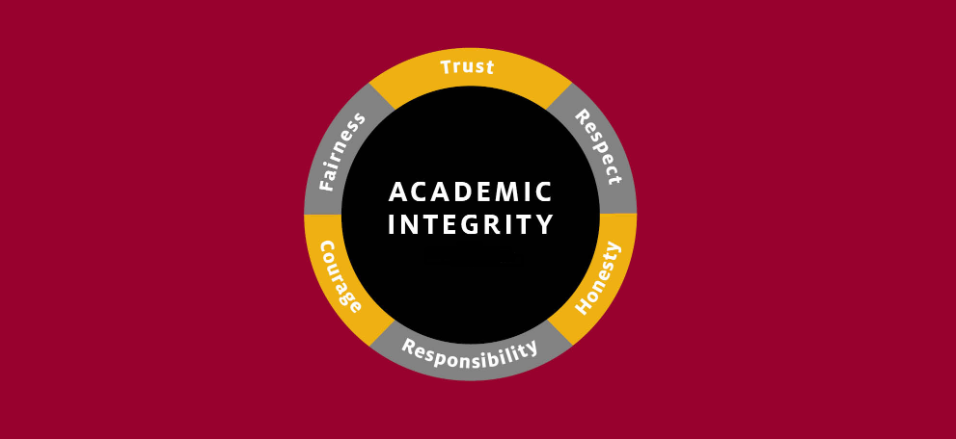
Academic integrity refers to the ethical code and moral principles that govern how students conduct themselves in their academic work. This includes:
- Honesty: Submitting only original work and giving credit to the ideas and contributions of others.
- Trust: Building a culture where students and faculty can rely on each other’s commitment to ethical behavior.
- Fairness: Ensuring that all students have equal opportunities to succeed based on their efforts and abilities.
- Respect: Valuing the work of others and treating classmates, instructors, and the academic community with dignity.
- Responsibility: Taking ownership of one’s actions and decisions in the academic environment.
The Importance of Academic Integrity
- Fosters a Positive Learning Environment: Upholding integrity promotes trust and respect among students and faculty, creating a conducive atmosphere for learning.
- Enhances Personal Growth: Committing to academic integrity encourages self-discipline, critical thinking, and a deeper understanding of the material.
- Prepares for Professional Ethics: Adhering to ethical standards in academia prepares students for similar expectations in their future careers.
- Protects Reputation: Maintaining integrity safeguards your academic reputation and the credibility of your institution.
Lessons Learned About Academic Integrity
1. The Consequences of Plagiarism
In my early college years, I underestimated the seriousness of plagiarism. A moment of desperation led me to copy sections of an online article without proper citation. When my professor confronted me, I faced severe consequences, including a failing grade and a mark on my academic record.
Lesson Learned: Always give credit where it’s due. Familiarize yourself with proper citation styles and use plagiarism detection tools to ensure your work is original.
2. The Value of Collaboration vs. Cheating
Group projects can be a double-edged sword. During one project, I was tempted to let a classmate do most of the work while I contributed minimally. This felt unfair to my peers and ultimately led to a poor understanding of the material.
Lesson Learned: Collaboration is essential, but it’s crucial to contribute your fair share. Engage actively in group work to enhance your learning and uphold integrity.
3. The Importance of Time Management
I once turned in an assignment late because I underestimated the time required to complete it. In my rush to finish, I cut corners and submitted subpar work. This experience taught me that procrastination can lead to ethical dilemmas.
Lesson Learned: Effective time management is key to maintaining academic integrity. Plan your schedule to allow ample time for research, writing, and revision.
4. Seeking Help Responsibly
In another instance, I sought help from a friend who had previously taken the course. While discussing concepts was beneficial, I was tempted to rely too heavily on their work. This blurred the line between collaboration and dishonesty.
Lesson Learned: It’s okay to seek help, but ensure that you understand the material and contribute your own ideas. Use study groups and tutoring resources ethically.
5. Understanding Institutional Policies
Many students, including myself, have overlooked the academic integrity policies outlined by our institutions. I once faced an academic integrity violation simply because I was unaware of the specific rules regarding collaboration on assignments.
Lesson Learned: Familiarize yourself with your institution’s academic integrity policies. Understanding these guidelines can help you navigate your academic responsibilities more effectively.
Upholding Academic Integrity: Best Practices
1. Develop Strong Study Habits
Cultivating good study habits can reduce the temptation to cheat or cut corners. Set aside regular study times, create a conducive learning environment, and stay organized.
2. Use Resources Wisely
Take advantage of available resources, such as writing centers, libraries, and academic advisors. These resources can provide guidance and support as you navigate your coursework.
3. Communicate with Instructors
If you’re struggling with an assignment or concept, don’t hesitate to reach out to your instructors. They can provide clarity and support, helping you maintain integrity in your work.
4. Reflect on Your Values
Regularly reflect on your personal values and the importance of academic integrity in your life. This will help reinforce your commitment to ethical behavior.
5. Encourage a Culture of Integrity
Promote academic integrity among your peers by discussing its importance and holding each other accountable. Creating a supportive community fosters a culture of honesty and respect.
Conclusion
Upholding academic integrity is vital for personal development, academic success, and the credibility of educational institutions. Through my experiences—both positive and challenging—I have learned valuable lessons about the importance of ethical behavior in academia. By committing to integrity, we not only enhance our own learning but also contribute to a culture of trust and respect within our academic communities. Let us embrace these lessons and strive to uphold the highest standards of integrity in all our academic endeavors.
Improve Your Abilities: Explore Our content on Knowledge
Take a Look at Our Latest Article on Student Housing!
