
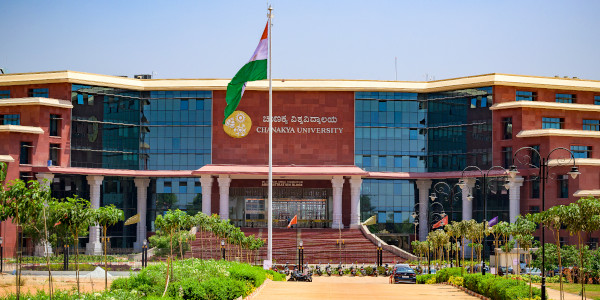
Jakarta, studyinca.ac.id – Campus infrastructure plays a pivotal role in shaping the educational experience for students. As institutions strive to create environments that foster learning, collaboration, and well-being, the focus has shifted toward sustainable and student-centric designs. This article explores the importance of campus infrastructure, key design principles, and innovative approaches to creating learning environments that benefit both students and the planet.
1. The Importance of Campus Infrastructure
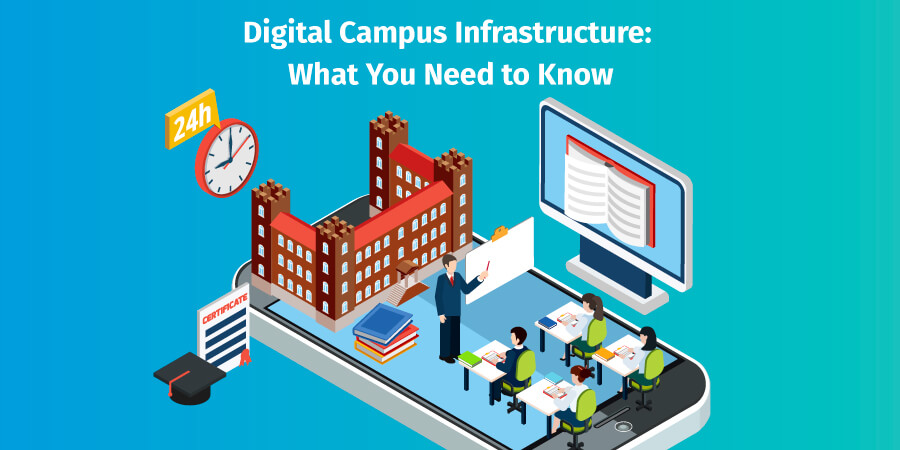
Campus infrastructure encompasses the physical facilities and systems that support educational activities. This includes classrooms, libraries, laboratories, recreational spaces, and technology resources. Effective infrastructure is crucial for several reasons:
– Enhancing Learning Experiences
- Flexible Learning Spaces: Modern educational practices emphasize active learning, collaboration, and creativity. Well-designed spaces can facilitate these approaches, providing students with environments that encourage engagement and participation.
- Access to Resources: Adequate infrastructure ensures that students have access to essential resources, such as libraries, laboratories, and technology, which are vital for academic success.
– Supporting Student Well-Being
- Health and Comfort: Comfortable and aesthetically pleasing environments contribute to student well-being. Factors such as natural light, ventilation, and ergonomic furniture can significantly impact students’ mental and physical health.
- Community Building: Thoughtfully designed communal spaces promote social interaction and collaboration among students, fostering a sense of belonging and community on campus.
2. Key Design Principles for Sustainable Campus Infrastructure
When designing campus infrastructure, several key principles can guide the creation of sustainable and student-centric environments:
– Sustainability
- Eco-Friendly Materials: Use sustainable building materials and practices to minimize environmental impact. This includes sourcing local materials, utilizing recycled products, and implementing energy-efficient systems.
- Green Spaces: Incorporate green spaces, such as gardens and parks, into campus design. These areas not only enhance aesthetics but also improve air quality and provide spaces for relaxation and recreation.
– Flexibility and Adaptability
- Multi-Use Spaces: Design spaces that can serve multiple purposes, allowing for flexibility in usage. For example, classrooms that can be reconfigured for lectures, group work, or workshops can accommodate various teaching styles.
- Future-Proofing: Incorporate technology and infrastructure that can adapt to future educational needs. This includes ensuring that spaces are equipped with the latest technology and can be easily updated as requirements change.
– Inclusivity and Accessibility
- Universal Design: Ensure that campus infrastructure is accessible to all students, regardless of physical ability. This includes ramps, elevators, and accessible restrooms, as well as consideration for sensory-friendly environments.
- Cultural Inclusivity: Create spaces that reflect and celebrate the diverse backgrounds of the student population. This can include art, signage, and resources that represent various cultures and perspectives.
3. Innovative Approaches to Campus Infrastructure
Several innovative approaches can enhance campus infrastructure and promote sustainable, student-centric environments:
– Smart Technology Integration
- IoT Solutions: Implement Internet of Things (IoT) technology to optimize energy usage, improve security, and enhance the overall campus experience. Smart lighting, climate control, and security systems can create a more efficient and responsive environment.
- Digital Learning Tools: Integrate technology into learning spaces, such as interactive whiteboards, virtual reality tools, and collaborative software, to support diverse learning styles and enhance engagement.
– Community Engagement
- Student Involvement: Involve students in the design process through surveys, focus groups, and design charrettes. This engagement ensures that the infrastructure meets their needs and preferences.
- Partnerships with Local Organizations: Collaborate with local businesses and organizations to create shared spaces and resources that benefit both the campus and the surrounding community.
4. Case Studies of Successful Campus Infrastructure
Examining successful examples of campus infrastructure can provide valuable insights into effective design practices:
– Green University Initiatives
Many universities have adopted green initiatives that focus on sustainability. For instance, the University of California, Davis, has implemented extensive solar energy systems and green building certifications, significantly reducing its carbon footprint.
– Innovative Learning Spaces
The University of British Columbia (UBC) has created flexible learning environments equipped with advanced technology that fosters collaboration and active learning. Their design includes movable furniture, ample natural light, and spaces for group work, enhancing the overall student experience.
5. Conclusion
In conclusion, campus infrastructure is a vital component of the educational experience, influencing learning outcomes, student well-being, and community engagement. By prioritizing sustainable and student-centric design principles, educational institutions can create environments that not only meet the needs of today’s learners but also contribute positively to the planet. Embracing innovative approaches and involving students in the design process can lead to the development of vibrant, inclusive, and adaptive learning spaces. As we move forward, investing in thoughtful campus infrastructure will play a crucial role in shaping the future of education and fostering a generation of engaged, empowered learners.
Explore our “Knowledge” category for more insightful content!
Don't forget to check out our previous article: Law Enforcement: Upholding Justice at University
For further content, navigate to: inca construction
