The Faculty of Biomedical Sciences plays a pivotal role in the advancement of health through cutting-edge research and comprehensive education. This faculty is dedicated to exploring the complexities of human health and disease, equipping students with the knowledge and skills necessary to make significant contributions to the biomedical field. This guide delves into the key features of the Faculty of Biomedical Sciences, its commitment to innovation, and its impact on health and society.
1. Overview of the Faculty of Biomedical Sciences

The Faculty of Biomedical Sciences encompasses a wide range of disciplines, including molecular biology, pharmacology, immunology, and biochemistry. Its mission is to foster an understanding of the biological mechanisms underlying health and disease while preparing students for careers in research, healthcare, and related fields.
Key Features of the Faculty of Biomedical Sciences:
- Interdisciplinary Curriculum: A curriculum that integrates various scientific disciplines, providing a holistic understanding of biomedical concepts.
- Research-Driven Education: Emphasis on research as a core component of the educational experience, encouraging students to engage in innovative projects.
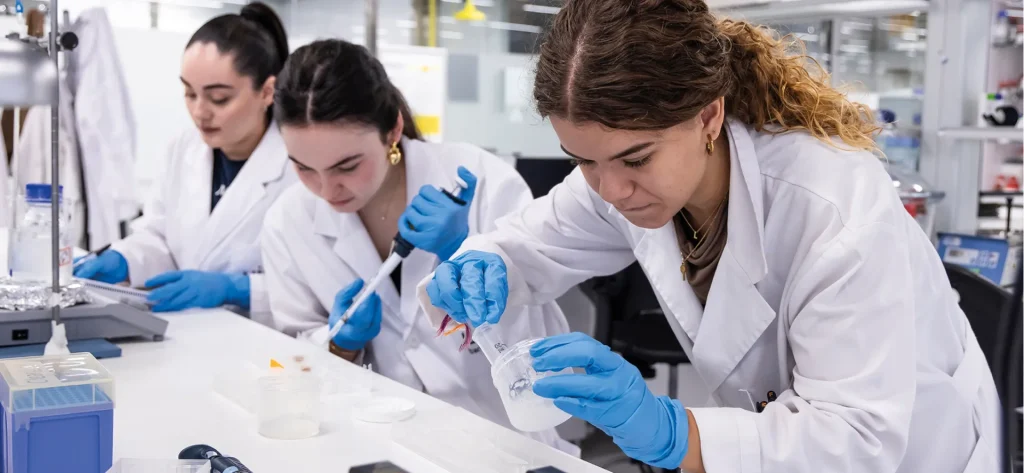
- State-of-the-Art Facilities: Access to advanced laboratories and research centers equipped with the latest technology to support hands-on learning and experimentation.
2. Commitment to Innovative Research
Research is at the heart of the Faculty of Biomedical Sciences, driving advancements in health and medicine. The faculty encourages both faculty members and students to engage in groundbreaking research that addresses pressing health challenges.
– Focus Areas of Research
The faculty conducts research across various domains, including:
- Disease Mechanisms: Investigating the biological processes that lead to diseases such as cancer, diabetes, and neurodegenerative disorders.
- Therapeutic Development: Exploring new treatments and therapies, including drug development and regenerative medicine.
- Public Health: Studying the impact of health policies, epidemiology, and community health initiatives on population health.
Example: Recent research projects have focused on developing targeted therapies for cancer patients, utilizing personalized medicine approaches to improve treatment outcomes.
3. Cutting-Edge Educational Practices
The Faculty of Biomedical Sciences employs innovative teaching methods to enhance student learning and engagement.
– Hands-On Learning Experiences
Students participate in laboratory work, field studies, and research projects that provide practical experience and reinforce theoretical knowledge.
Tip: Engaging in research projects allows students to apply their learning in real-world contexts, fostering critical thinking and problem-solving skills.
– Collaboration with Industry and Healthcare Partners
The faculty collaborates with hospitals, research institutions, and biotechnology companies to provide students with exposure to current practices and emerging trends in the biomedical field.
Insight: These partnerships often lead to internship opportunities, allowing students to gain valuable experience and build professional networks.
4. Preparing Future Leaders in Biomedical Sciences
The Faculty of Biomedical Sciences is committed to developing the next generation of leaders in healthcare and research.
– Emphasis on Ethics and Professionalism
Students are trained in ethical considerations related to biomedical research and healthcare practices, ensuring they understand the importance of integrity and responsibility in their work.
Example: Courses on bioethics address topics such as informed consent, research ethics, and the societal implications of biomedical advancements.
– Lifelong Learning and Professional Development
The faculty instills a culture of lifelong learning, encouraging graduates to pursue ongoing education and professional development throughout their careers.
Tip: Alumni are often invited to return for workshops and seminars, sharing their expertise and experiences with current students.
5. Community Engagement and Outreach
The Faculty of Biomedical Sciences actively engages with the community to promote health awareness and education.
– Public Health Initiatives
Through outreach programs, the faculty collaborates with local organizations to address health disparities and promote wellness in the community.
Example: Health fairs and educational workshops provide valuable information on disease prevention, nutrition, and healthy lifestyles.
– Student Involvement in Community Service
Students are encouraged to participate in community service projects that align with their studies, fostering a sense of social responsibility and connection to the community.
6. Conclusion
The Faculty of Biomedical Sciences is dedicated to advancing health through innovative research and education. By fostering interdisciplinary collaboration, emphasizing hands-on learning, and engaging with the community, the faculty prepares students to become competent professionals and leaders in the biomedical field.
As the landscape of health and medicine continues to evolve, the Faculty of Biomedical Sciences remains committed to pushing the boundaries of knowledge and improving health outcomes for individuals and communities alike. Embrace the journey of discovery and innovation within this dynamic field, and be part of the future of biomedical sciences!