1. Understanding Time Management
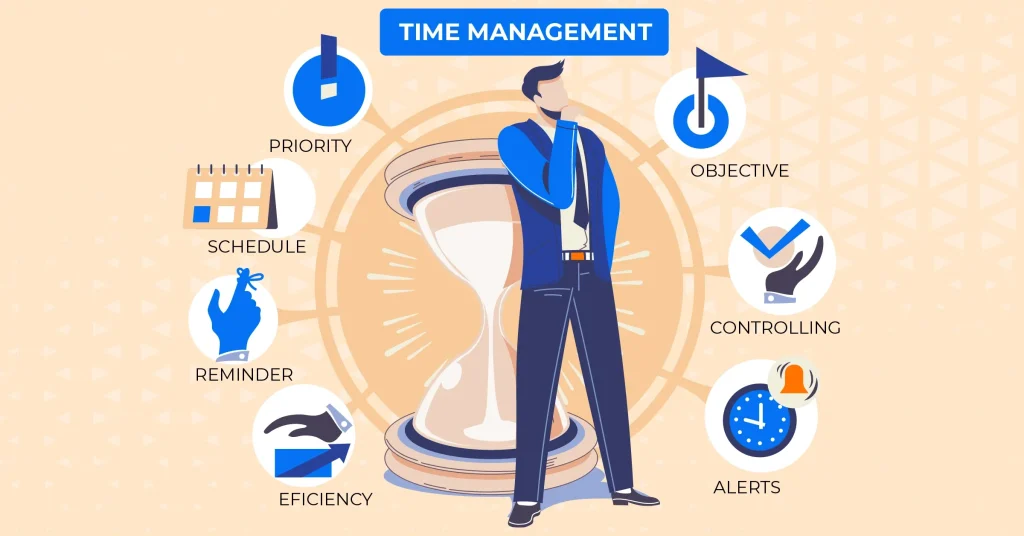
Time management involves planning and exercising conscious control over the amount of time spent on specific activities. Effective time management allows individuals to accomplish more in less time, reduces stress, and contributes to career success. For college students, managing time well involves prioritizing tasks, adhering to deadlines, and achieving a healthy balance between work and personal life.
2. Key Time Management Techniques
– Prioritization
One of the foundational techniques of effective time management is prioritization. Understanding what tasks are most important can help you allocate your time efficiently.
- Eisenhower Matrix: This tool helps categorize tasks based on urgency and importance. Tasks are divided into four quadrants:
- Urgent and Important: Complete these tasks right away.
- Important, Not Urgent: Plan these tasks for a later time.
- Urgent, Not Important: If possible, delegate these tasks to someone else.
- Not Urgent and Not Important: Remove these tasks from your to-do list.
- ABC Method: Assign an A, B, or C to each task based on its priority. “A” tasks are high priority, “B” tasks are medium, and “C” tasks are low. Focus on completing “A” tasks first.
– Setting SMART Goals
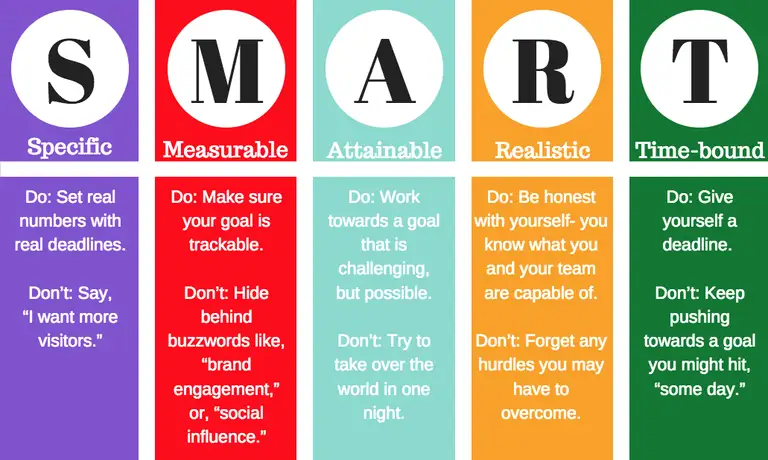
Setting specific, measurable, achievable, relevant, and time-bound (SMART) goals can enhance focus and clarity:
- Specific: Define the goal clearly (e.g., “I will study for my biology exam for two hours on Saturday”).
- Measurable: Make sure you can track your progress (e.g., “I will complete 50 practice questions”).
- Achievable: Ensure the goal is realistic given your resources and constraints.
- Relevant: Align your goals with your broader academic and personal objectives.
- Time-bound: Set a deadline for achieving the goal to create urgency.
– Creating a Schedule
A well-structured schedule is vital for effective time management:
- Weekly Planning: At the beginning of each week, outline your commitments, including classes, study sessions, and personal activities. This helps visualize your week and allocate time for each task.
- Daily To-Do Lists: Each day, create a list of tasks to accomplish. Prioritize these tasks based on urgency and importance.
- Time Blocking: Allocate specific blocks of time for different activities (e.g., studying, attending lectures, socializing). This method helps prevent multitasking and enhances focus.
– Utilizing Technology
In today’s digital age, various tools can aid in time management:
- P r o d u c t i v i t y Apps: Use apps like Todoist, Trello, or Asana to manage tasks and deadlines effectively. These platforms allow you to create checklists, set reminders, and track progress.
- C a l e n d a r Apps: Google Calendar or Microsoft Outlook can help organize your schedule. Set reminders for important deadlines and appointments to stay on track.
- P o m o d o r o Technique: This time management technique involves working for 25 minutes, then taking a 5-minute break. After four cycles, take a longer break (15-30 minutes). This method helps maintain focus while preventing burnout.
3. Overcoming Procrastination
Procrastination is a common challenge for college students. Here are strategies to combat it:
- Break Tasks into Smaller Steps: Large projects can be overwhelming. Divide them into smaller, manageable tasks to make starting easier.
- Set Clear Deadlines: Even for tasks without strict deadlines, assign personal deadlines to create a sense of urgency.
- Eliminate Distractions: Identify what distracts you (e.g., social media, noise) and minimize these distractions during study periods. Consider using website blockers or noise-canceling headphones.
4. Maintaining Work-Life Balance
Effective time management is not just about academic success; it’s also about maintaining a healthy balance between work and personal life:
- Schedule Downtime: Make sure to allocate time for relaxation and social activities. Engaging in hobbies and spending time with friends can recharge your mental energy.
- Practice Self-Care: Prioritize your physical and mental health by incorporating exercise, healthy eating, and sufficient sleep into your routine. A healthy body supports a productive mind.
5. Real-Life Applications
Implementing these techniques can lead to significant improvements in your college experience:
- Experience 1: Improved Productivity: After adopting the Eisenhower Matrix, I found that I focused more on important tasks rather than getting caught up in less critical activities. This shift led to better grades and reduced stress.
- Experience 2: Enhanced Balance: By using time blocking, I was able to allocate specific times for studying and socializing. This structure helped me maintain a vibrant social life while keeping up with my academic responsibilities.
6. Conclusion
Mastering time management techniques is essential for college students seeking to enhance their productivity and balance their academic and personal lives. By prioritizing tasks, setting SMART goals, creating structured schedules, utilizing technology, and overcoming procrastination, students can achieve greater efficiency and reduce stress.
Ultimately, effective time management not only leads to academic success but also fosters a more fulfilling and balanced college experience. Embracing these techniques can set the foundation for lifelong skills that extend beyond the university setting, paving the way for future success in personal and professional endeavors.