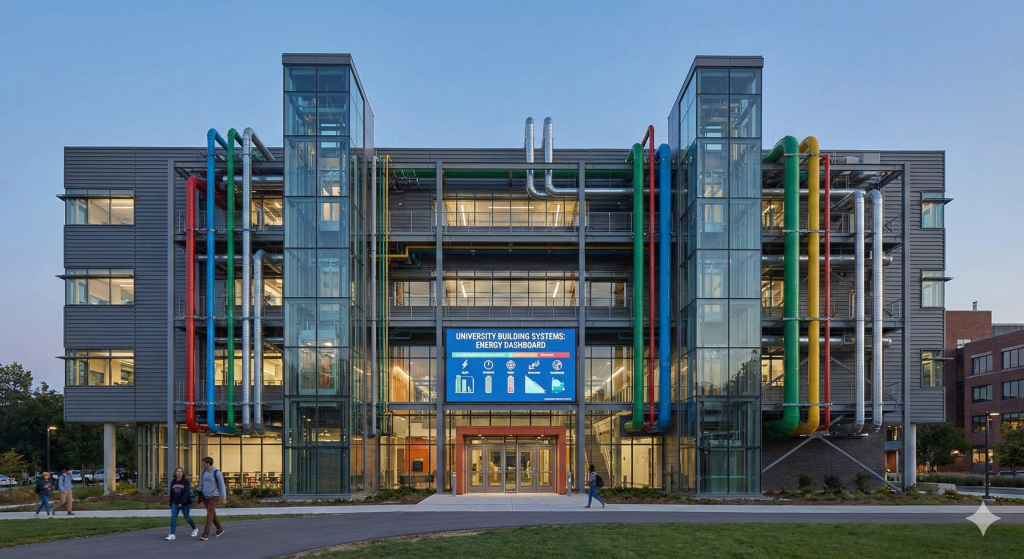
University building systems are essential components of campus infrastructure that support academic and administrative functions while enhancing the overall student experience. These systems encompass various elements, including structural frameworks, mechanical systems, and sustainable practices that contribute to efficient operation and environmental stewardship. This article explores the key aspects of university building systems, their operations, and sustainable practices that foster a smarter campus life.
1. Key Infrastructure of University Building Systems
Understanding the infrastructure of university building systems is crucial for appreciating their role in campus life.
– Structural Components
- Academic Buildings: Classrooms, laboratories, and lecture halls are designed to facilitate learning and research. These spaces are equipped with modern technology to support diverse teaching methods.
- Residential Facilities: Dormitories and student housing provide essential living spaces that promote community and student engagement. Well-designed residential facilities can enhance the quality of student life.
– Support Facilities
- Libraries and Study Spaces: Libraries serve as vital resources for academic research and study. Incorporating collaborative study areas and quiet zones caters to different learning preferences.
- Recreational and Wellness Centers: Facilities that promote physical health and well-being, such as gyms, sports complexes, and wellness centers, contribute to a holistic campus experience.
2. Operation of University Building Systems
Effective operation of university building systems is critical for ensuring functionality, safety, and efficiency.
– Facility Management
- Maintenance Programs: Regular maintenance and inspections of buildings and systems are essential to prevent deterioration and ensure safety. This includes HVAC systems, plumbing, and electrical systems.
- Space Utilization: Efficient space management involves tracking usage patterns to optimize room assignments and scheduling. This ensures that facilities meet the needs of students and faculty.
– Technology Integration
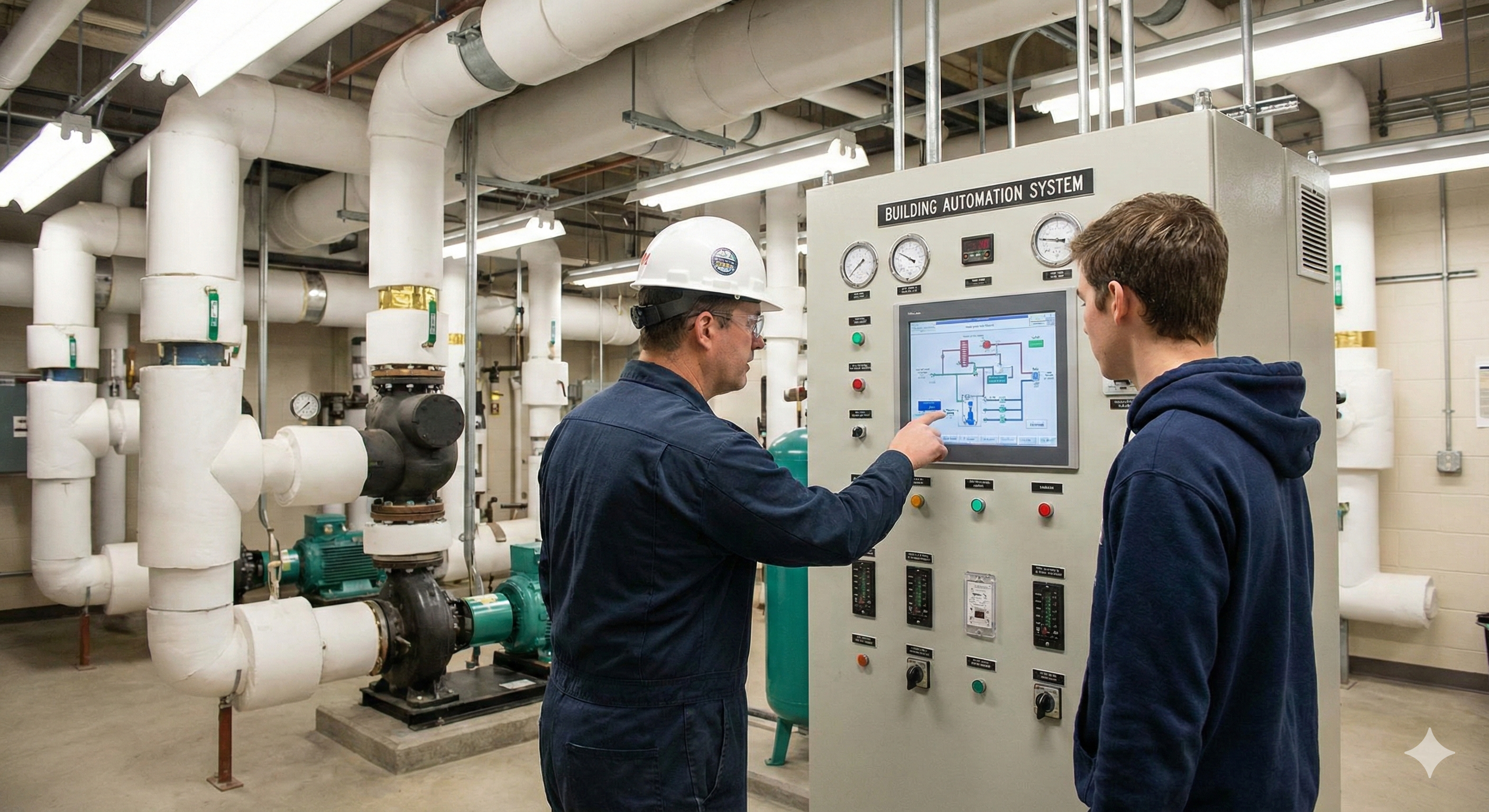
- Building Management Systems (BMS): Smart building technologies allow for real-time monitoring of energy usage, occupancy, and environmental conditions. BMS can automate lighting, heating, and cooling systems to enhance efficiency.
- Data Analytics: Utilizing data analytics helps universities make informed decisions regarding resource allocation, energy consumption, and facility upgrades. Analyzing trends can lead to more effective management strategies.
3. Sustainable Practices in University Building Systems
Sustainability is a key consideration in the design and operation of university building systems. Implementing sustainable practices contributes to environmental responsibility and enhances the campus experience.
– Green Building Design
- Sustainable Materials: Using eco-friendly materials in construction and renovation reduces the environmental impact of building projects. This includes recycled materials, low-VOC paints, and sustainable wood products.
- Energy-Efficient Design: Incorporating features such as natural lighting, passive solar heating, and high-performance insulation can significantly reduce energy consumption and enhance occupant comfort.
– Renewable Energy Integration
- Solar Energy: Installing solar panels on campus buildings can provide a renewable energy source, reducing reliance on fossil fuels and lowering energy costs. Universities can harness solar power to meet their energy needs sustainably.
- Geothermal Systems: Utilizing geothermal heating and cooling systems can provide efficient climate control while minimizing greenhouse gas emissions. These systems leverage the earth’s stable temperature for heating and cooling purposes.
4. Enhancing Campus Life Through Building Systems
University building systems play a vital role in enhancing the overall campus experience, fostering community, and supporting academic success.
– Collaborative Learning Environments
- Flexible Spaces: Designing classrooms and study areas that can be easily reconfigured encourages collaboration and innovation among students. Multipurpose spaces can host various activities, from group projects to lectures.
- Community Spaces: Incorporating communal areas, such as lounges, cafes, and outdoor gathering spots, promotes social interaction and engagement among students, faculty, and staff.
– Accessibility and Inclusivity
- Universal Design Principles: Implementing universal design ensures that all campus facilities are accessible to individuals with disabilities. This includes ramps, elevators, and accessible restrooms, fostering an inclusive environment.
- Transportation Solutions: Providing accessible transportation options, such as shuttle services and bike-sharing programs, enhances mobility and encourages sustainable commuting methods.
5. Conclusion
In conclusion, university building systems are integral to creating a functional, sustainable, and engaging campus environment. By understanding the key infrastructure components, optimizing operations, and implementing sustainable practices, universities can enhance the quality of life for students, faculty, and the broader community. As institutions continue to evolve, embracing innovative technologies and sustainable solutions will be essential in shaping smarter, more resilient campuses. Prioritizing effective building systems fosters an environment that supports learning, collaboration, and sustainability for future generation.