

Jakarta, studyinca.ac.id – Improving academic results takes more than hope, and GPA Improvement often begins with practical changes in study habits, time management, and course strategy. For university students, GPA can influence scholarships, internships, academic standing, and future opportunities, which is why many students look for realistic ways to raise performance over time. The good news is that improvement usually does not require perfection. It requires consistency, awareness, and smarter academic choices.
A low or disappointing GPA can feel discouraging, but it is not always a fixed outcome. Many students improve their academic standing by understanding what is holding them back and responding with better systems rather than more panic. Small improvements in routine can create meaningful results across a semester.
Why GPA improvement matters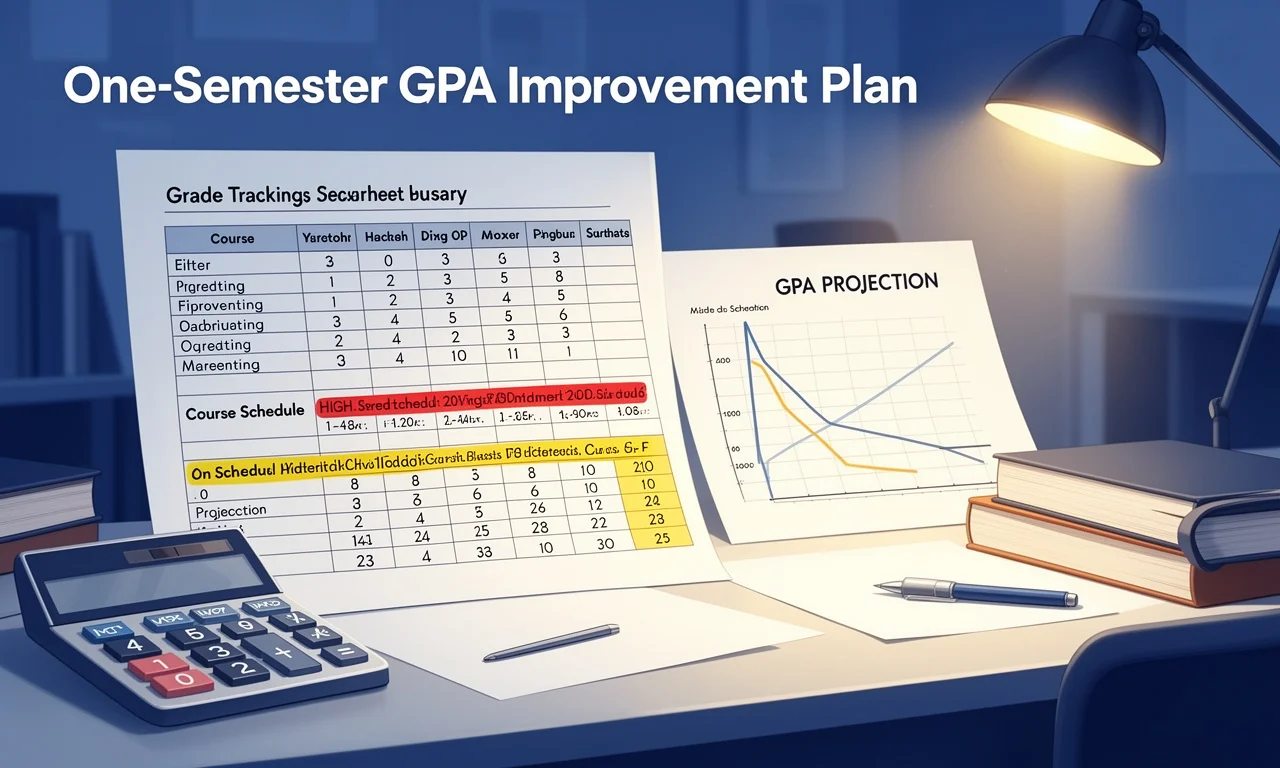
GPA Improvement matters because grade point average often affects academic and professional opportunities. Universities may use GPA to determine honors, probation, course eligibility, exchange participation, or scholarship access. Employers and graduate programs may also review it as one sign of academic discipline and performance.
More importantly, working to improve GPA often helps students build stronger learning habits overall. The process can lead to better organization, more effective studying, and clearer awareness of academic expectations.
Identify what is lowering performance
A useful first step in GPA Improvement is understanding why current grades are lower than desired. Without that diagnosis, students may work harder in general but not solve the real problem.
Common causes include:
- Poor time management
- Missed assignments
- Weak attendance
- Ineffective study methods
- Difficulty understanding key concepts
- Overloaded course schedules
- Lack of sleep or burnout
Recognizing the main issue allows students to respond more precisely.
Practical steps to improve grades
Students can support GPA Improvement by using strategies that strengthen performance across daily academic work.
Helpful steps include:
- Attend classes consistently
- Review notes soon after lectures
- Start assignments earlier
- Break large tasks into smaller deadlines
- Ask questions when topics are unclear
- Use office hours or academic support services
- Practice actively instead of only rereading material
These habits improve understanding and reduce the last-minute pressure that often damages performance.
Use course strategy more wisely
Part of GPA Improvement is academic strategy. Students should think carefully about how they manage workload, course selection, and priorities across the semester.
Useful academic planning habits include:
- Balance difficult and manageable courses when possible
- Track grading percentages for each subject
- Focus effort where grade recovery is still realistic
- Avoid missing low-point tasks that are easy to complete
- Review feedback from previous assignments and tests
This approach helps students use time and effort more effectively.
Build stronger study habits
Better GPA Improvement usually depends on better study quality, not only longer study hours. Students often benefit from methods that improve memory, understanding, and application.
Strong study habits may include:
- Active recall
- Practice problems
- Summarizing concepts in your own words
- Weekly revision instead of exam-only review
- Studying in distraction-free blocks
- Testing understanding with peers or self-quizzes
The brain tends to prefer easy-looking study methods that feel productive. Grades, unfortunately, are usually less impressed by vibes alone.
Stay realistic and consistent
Meaningful GPA Improvement often happens gradually. A student may not transform every grade at once, but consistent progress across multiple assignments and courses can still raise overall performance over time.
Students should aim to:
- Set realistic improvement goals
- Track progress throughout the semester
- Celebrate small academic gains
- Adjust strategies when something is not working
Consistency matters more than occasional bursts of motivation.
Final thoughts
GPA Improvement comes from practical changes in academic habits, course strategy, and daily discipline. By identifying weak points, improving study methods, and staying consistent across the semester, university students can raise academic performance in a realistic and sustainable way.
A stronger GPA is usually built one decision at a time. Better attendance, earlier preparation, clearer focus, and smarter study habits may not look dramatic in one day, but together they can change the semester significantly.
Explore our “”Knowledge“” category for more insightful content!
Don't forget to check out our previous article: Student Portfolio: Helping University Students Showcase Skills and Academic Work
