
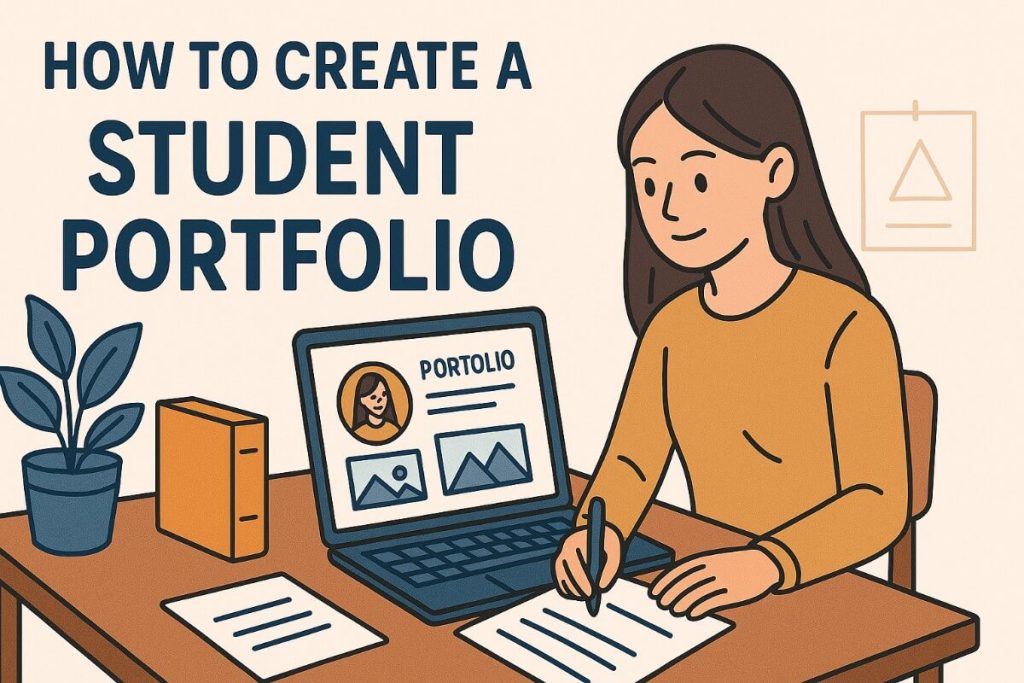
Jakarta, studyinca.ac.id – A strong Student Portfolio can help university students present their skills, academic work, and achievements in a more complete and professional way. While transcripts and résumés remain important, they do not always show the full range of what a student can do. A portfolio gives students a place to organize examples of their work, reflect on their progress, and demonstrate practical ability to lecturers, employers, internship providers, or scholarship reviewers.
For many students, a portfolio becomes especially valuable when they need to stand out in competitive situations. Whether digital or printed, it can highlight projects, research, presentations, writing samples, design work, or other evidence of learning. In that sense, a portfolio is not just a collection of files. It is a clearer story about what the student has learned and how those abilities can be applied.
Why a student portfolio matters

A Student Portfolio matters because it shows evidence. Instead of only stating that a student has certain skills, the portfolio provides actual examples of work that support those claims. This can make academic and professional applications much more persuasive.
It also helps students understand their own development. By collecting and reviewing work over time, students can see improvement, identify strengths, and recognize areas that need further growth.
What students can include in a portfolio
A useful Student Portfolio should be selective, organized, and relevant to the student’s academic field or career goals.
Common portfolio content may include:
- Academic projects
- Research papers
- Presentations
- Writing samples
- Design or creative work
- Internship tasks or reports
- Certificates and achievements
- Reflections on learning experiences
The exact content will depend on the subject area, but every item should help show skill, effort, or progress clearly.
How portfolios support job and academic opportunities
A well-prepared Student Portfolio can support students when applying for internships, scholarships, further study, or entry-level roles. Employers and academic reviewers often appreciate being able to see how students apply knowledge in real work rather than only reading descriptions of it.
A portfolio can help by:
- Demonstrating practical ability
- Showing depth beyond grades alone
- Supporting interview discussions
- Highlighting strengths relevant to specific opportunities
- Creating a more professional overall impression
This is particularly helpful in fields where output and applied skill matter as much as academic record.
Building a portfolio effectively
Students can create a stronger Student Portfolio by focusing on quality, clarity, and relevance rather than trying to include everything they have ever completed since the beginning of time.
Useful portfolio-building tips include:
- Choose work that shows clear strengths
- Organize sections logically
- Add short explanations for each item
- Keep formatting neat and professional
- Update the portfolio regularly
- Tailor selections to the purpose when needed
A good portfolio should feel purposeful, not like a storage box that learned how to use headings.
Digital portfolios and accessibility
Many students now use digital formats for their Student Portfolio, which makes sharing and updating easier. A digital portfolio can be useful for job applications, academic reviews, and professional visibility, especially when it is easy to navigate and well presented.
Students should make sure their portfolio is:
- Easy to access
- Well structured
- Free from broken links or missing files
- Appropriate for the intended audience
- Updated with current work and achievements
Accessibility and professionalism matter just as much as the content itself.
Final thoughts
A Student Portfolio helps university students showcase skills, academic work, and personal growth in a more visible and convincing way. By selecting strong examples, organizing them clearly, and updating the portfolio over time, students can build a useful tool for both academic and career development.
A résumé may introduce a student, but a portfolio helps prove the story. That combination can make a very strong impression when opportunities begin to appear.
Explore our “”Knowledge“” category for more insightful content!
Don't forget to check out our previous article: Resume Writing: Creating a Strong Resume for University Students Seeking Jobs
