
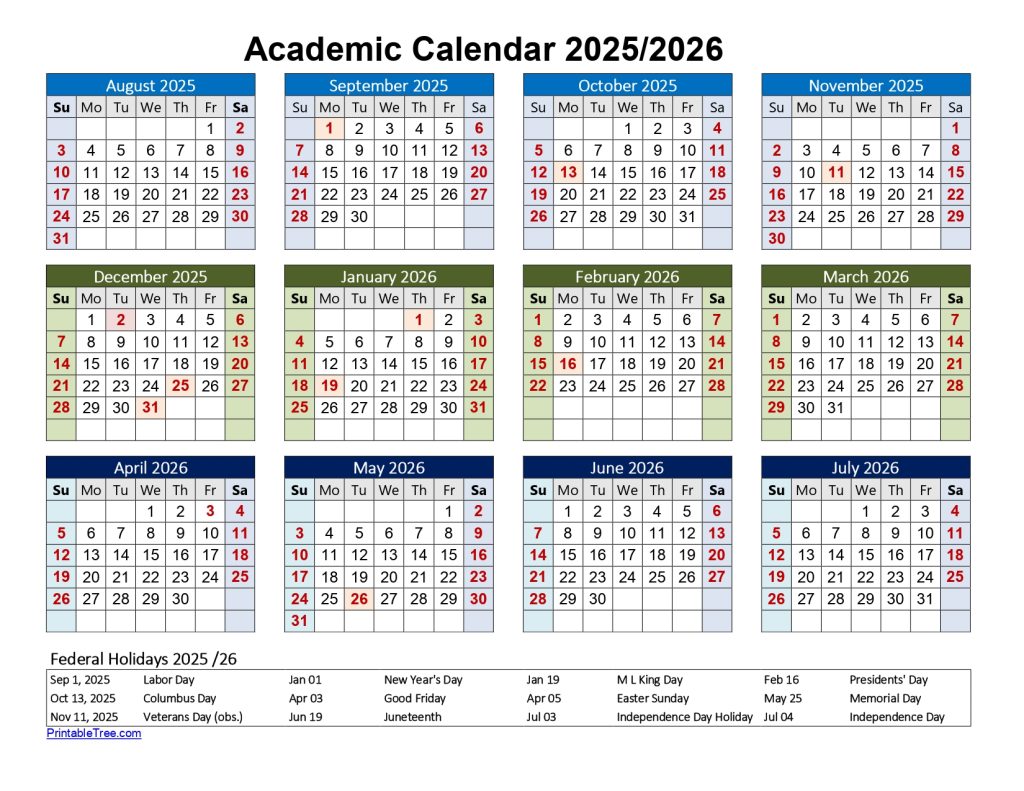
Jakarta, studyinca.ac.id – A well-understood Academic Calendar is one of the most useful planning tools for university students. It outlines the key dates that shape the academic year, including registration periods, class start dates, holidays, assignment deadlines, exam schedules, and semester breaks. For students managing multiple responsibilities, the academic calendar provides a structure that helps them stay organized and avoid costly mistakes.
Many university problems do not begin with difficult coursework, but with missed dates. A forgotten registration deadline, a late add or drop period, or confusion about exam timing can create unnecessary stress and academic setbacks. By using the academic calendar actively rather than ignoring it until panic arrives, students can make better decisions and manage their semester more effectively.
Why the academic calendar matters
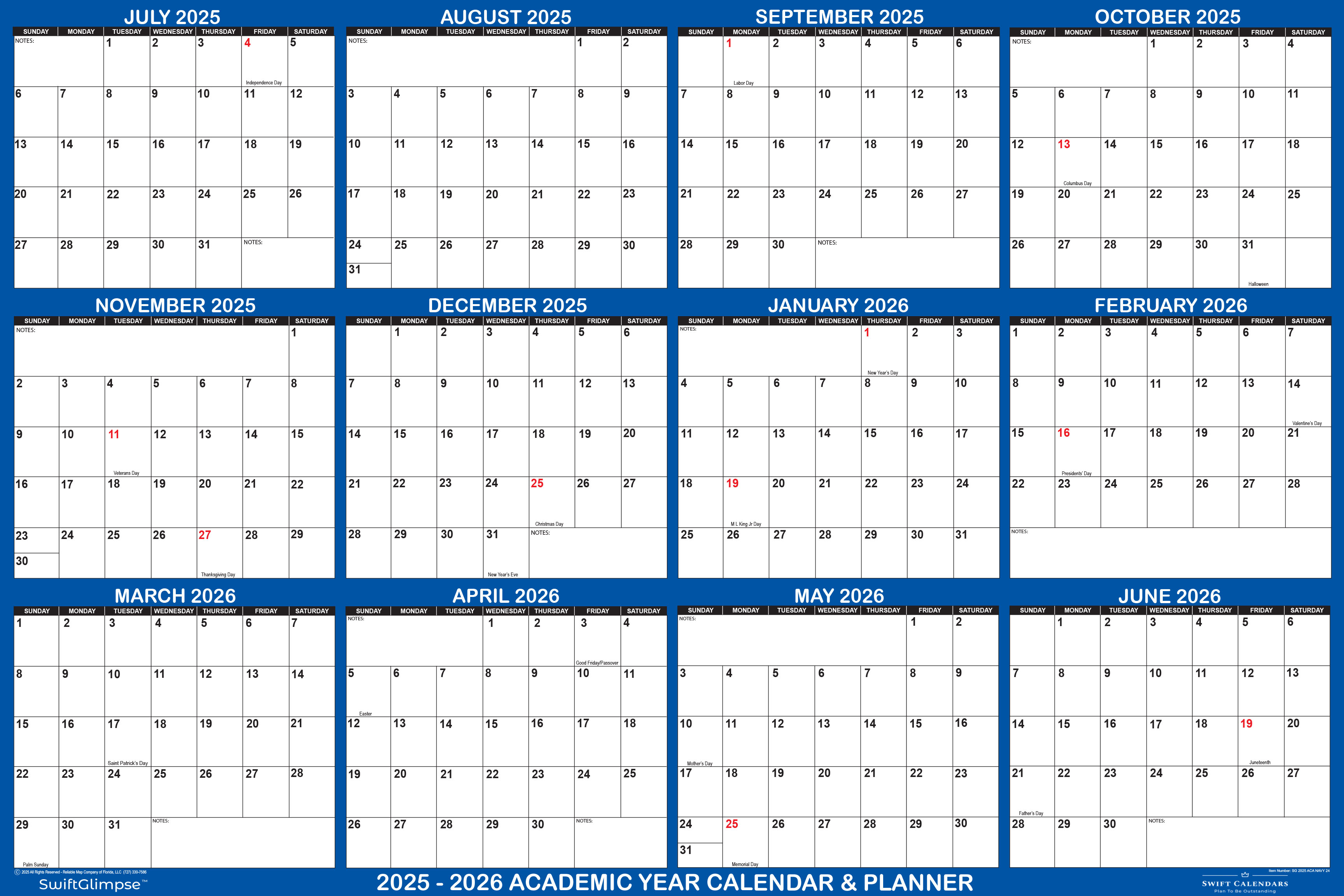
The Academic Calendar matters because it serves as the official timeline for university operations. It tells students when academic activities begin and end, and it provides essential deadlines that affect enrollment, attendance, grading, and progression through a program.
Without careful attention to the calendar, students may miss important administrative and academic requirements. In university life, deadlines are often less forgiving than students hope, and the calendar usually wins every argument.
Key dates students should monitor closely
A typical Academic Calendar includes several important dates that students should track throughout the year.
These often include:
- Course registration opening and closing dates
- Semester or term start dates
- Add and drop deadlines
- Tuition payment deadlines
- Midterm exam periods
- Final exam schedules
- Public holidays and academic breaks
- Results release dates
- Graduation application deadlines if relevant
Different universities may include additional dates for internships, thesis submission, advising periods, or special academic activities. Students should review the full calendar, not just the first week of class.
How the academic calendar supports registration planning
One major use of the Academic Calendar is helping students plan course registration. Registration periods are usually limited, and missing them can delay progress or reduce class options. The calendar helps students know when to prepare required documents, meet with advisors, and finalize class selections.
For registration planning, students should:
- Check opening and closing dates early
- Review prerequisite requirements before the registration window
- Prepare backup course options
- Note payment deadlines linked to registration confirmation
- Track add or drop periods in case schedule adjustments are needed
Using the calendar this way helps students avoid rushed decisions and system-related panic.
Why exam dates need early attention
The Academic Calendar is also essential for exam preparation because it shows when major assessment periods will happen. Students who know exam dates early can organize study time more realistically, avoid conflicts, and reduce last-minute pressure.
Monitoring exam dates helps students:
- Build a revision schedule in advance
- Avoid booking travel during exam periods
- Balance coursework and preparation more effectively
- Understand when peak academic pressure will occur
This is especially useful when students have multiple subjects, part-time work, or family responsibilities that affect how they manage time.
Practical ways to use the calendar well
Students benefit most from the Academic Calendar when they treat it as a working tool rather than a document that exists somewhere in the portal, quietly judging everyone.
Practical ways to use it include:
- Adding key dates to a personal planner or digital calendar
- Setting reminders before important deadlines
- Checking for updated versions during the semester
- Matching academic deadlines with personal schedules
- Reviewing the calendar at the start of each month
These habits help students stay ahead instead of constantly reacting to reminders from friends who appear suspiciously well organized.
Final thoughts
The Academic Calendar is an essential guide for university students managing registration, exams, and semester planning. By paying attention to key dates early and using the calendar as a practical planning tool, students can avoid missed deadlines, reduce stress, and stay more in control of their academic progress.
In university life, time management often begins with knowing what is coming. The academic calendar provides that map, and students who use it well are usually better prepared for everything that follows.
Explore our “”Knowledge“” category for more insightful content
Don't forget to check out our previous article: Dissertation Proposal: Helping University Students Plan a Clear Research Framework
