Biochemistry is the scientific field that investigates the chemical reactions occurring in living organisms. By merging concepts from biology and chemistry, it uncovers the molecular processes essential for life. As I navigated my college journey in biochemistry, I encountered numerous insights and experiences that shaped my understanding of this fascinating field. In this article, I’ll share key biochemistry insights, lessons learned, and the real talk about what it means to study the chemistry of life.
1. The Foundations of Biochemistry
Biochemistry serves as the bridge between the physical sciences and life sciences. Here are some foundational concepts that are crucial to understanding the subject:
a. Molecular Composition of Life
- Macromolecules: Biochemistry focuses on four primary macromolecules: carbohydrates, proteins, lipids, and nucleic acids. Each plays a vital role in cellular function and overall organismal health.
- Enzymes: Enzymes are biological catalysts that accelerate chemical reactions in the body. Understanding enzyme kinetics and regulation is essential for grasping metabolic pathways.
b. Metabolism and Energy
- Catabolism and Anabolism: Metabolism encompasses all chemical reactions in the body, divided into catabolic (breaking down molecules for energy) and anabolic (building complex molecules) pathways. This dynamic balance is crucial for maintaining homeostasis.
- ATP as Energy Currency: Adenosine triphosphate (ATP) is the primary energy carrier in cells. Understanding how ATP is produced and utilized is fundamental to biochemistry.
2. Real Talk: My Journey Through Biochemistry
Studying biochemistry in college was both challenging and rewarding. Here are some insights from my personal journey:
a. Embracing Complexity
- Interconnectedness: One of the first lessons I learned was the complexity of biochemical pathways. Each pathway is interconnected, and a change in one aspect can affect many others. This realization emphasized the importance of a holistic understanding of biochemistry.
- Visualizing Pathways: I found that creating visual diagrams of metabolic pathways helped me grasp their complexities. Using flowcharts and infographics made it easier to see how various reactions are interconnected.
b. The Importance of Laboratory Skills
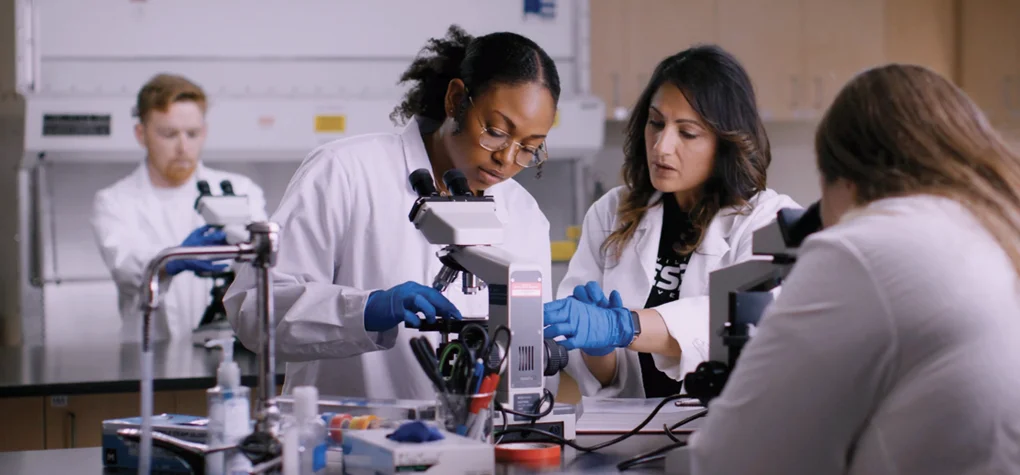
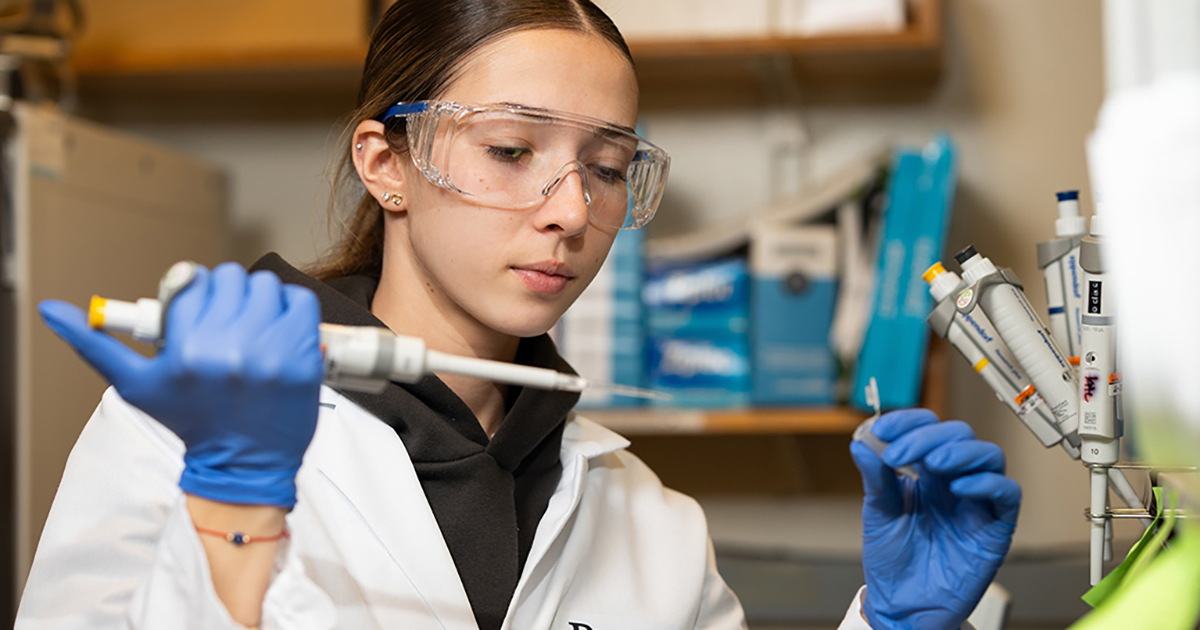
- Hands-On Experience: Laboratory work is a crucial component of biochemistry education. I learned that practical skills, such as pipetting, spectrophotometry, and chromatography, are just as important as theoretical knowledge.
- Troubleshooting Experiments: Not every experiment went as planned. I encountered failures, such as unexpected results or equipment malfunctions. These experiences taught me the value of patience, critical thinking, and problem-solving in the lab.
3. Key Insights Gained in Biochemistry
Throughout my studies, I gained several valuable insights that are essential for anyone pursuing biochemistry:
a. The Role of Research
- Current Discoveries: Engaging with current research literature exposed me to the latest advancements in biochemistry. Understanding how ongoing research impacts fields like medicine, agriculture, and environmental science was eye-opening.
- Research Opportunities: Participating in undergraduate research allowed me to apply my classroom knowledge to real-world problems. This hands-on experience solidified my interest in biochemistry and helped me develop critical analytical skills.
b. Interdisciplinary Connections
- Integration with Other Fields: Biochemistry is inherently interdisciplinary, connecting with fields such as molecular biology, genetics, and pharmacology. This integration enriched my understanding and highlighted the collaborative nature of scientific research.
- Applications in Healthcare: Learning about the biochemical basis of diseases, such as cancer and metabolic disorders, underscored the importance of biochemistry in developing therapeutic strategies and drug design.
4. The Future of Biochemistry
As I look toward the future, several exciting trends and developments in biochemistry are worth noting:
a. Advances in Biotechnology
- Gene Editing: Technologies like CRISPR-Cas9 are revolutionizing genetic engineering, allowing for precise modifications to DNA. Understanding the biochemical principles behind these technologies is essential for future applications in medicine and agriculture.
- Synthetic Biology: The field of synthetic biology combines biology and engineering to design and construct new biological parts and systems. This innovative approach has the potential to address global challenges, such as food security and renewable energy.
b. Personalized Medicine
- Tailored Treatments: Advances in biochemistry are paving the way for personalized medicine, where treatments are tailored to an individual’s genetic makeup. This approach promises to enhance treatment efficacy and minimize side effects.
- Biomarker Discovery: Research in biochemistry continues to uncover biomarkers for diseases, leading to earlier diagnoses and more effective interventions.
5. Conclusion
In conclusion, my journey through the world of biochemistry has been filled with challenges, discoveries, and invaluable insights. Understanding the chemistry of life not only deepens our appreciation for the complexities of biological systems but also equips us with the knowledge to address pressing global issues.
As you embark on your own journey in biochemistry, embrace the challenges and remain curious. The field is ever-evolving, and the insights gained from studying biochemistry can lead to significant contributions in science, medicine, and beyond. Remember, the path may be complex, but the rewards of understanding life’s chemistry are profound and far-reaching.