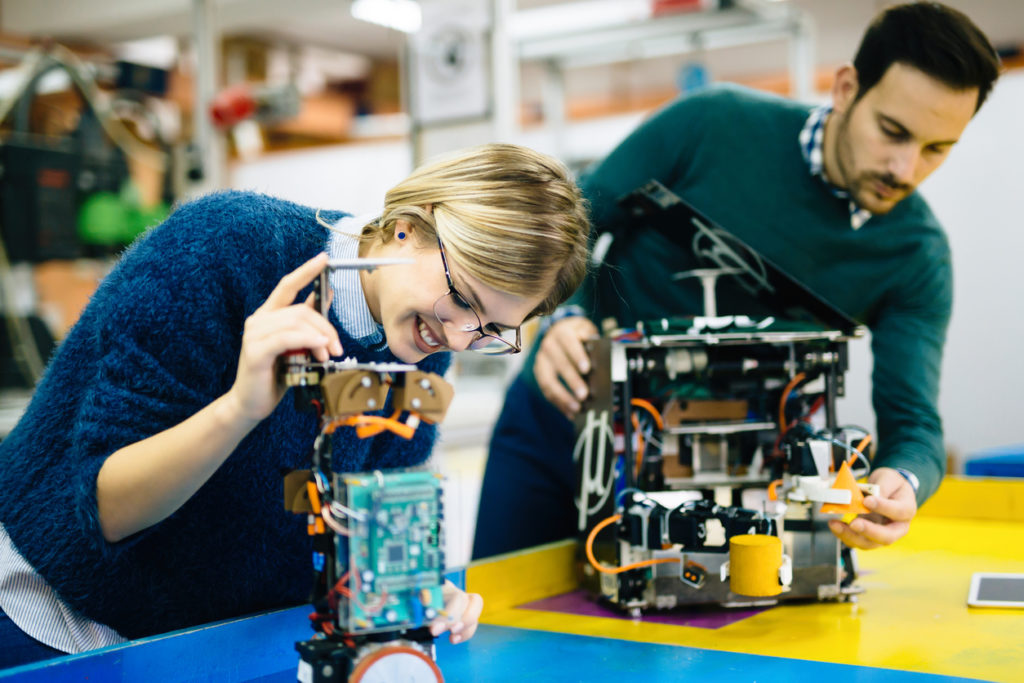
Robotics engineering is a rapidly evolving field that combines elements of mechanical engineering, electrical engineering, and computer science to design, build, and operate robots. As universities increasingly focus on this discipline, students are finding exciting opportunities to innovate and explore the potential of automation. In this article, I’ll share insights and real-life experiences from my journey in robotics engineering at university, highlighting key projects, challenges, and the future of automation.
1. Understanding Robotics Engineering
A. What is Robotics Engineering?
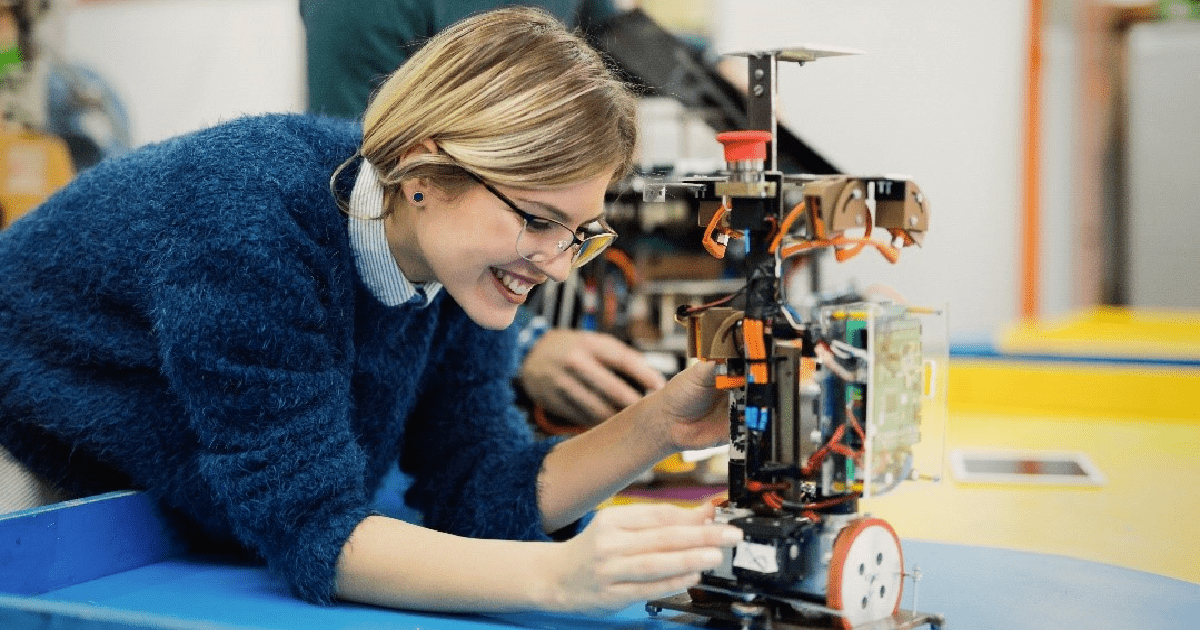
Robotics engineering involves the conception, design, construction, operation, and use of robots. This multidisciplinary field encompasses various technologies, including artificial intelligence, machine learning, control systems, and sensor technology. Robotics engineers work on applications ranging from industrial automation to medical robotics, autonomous vehicles, and even space exploration.
B. Importance in Today’s World
As industries increasingly adopt automation to enhance efficiency and productivity, the demand for skilled robotics engineers is on the rise. Robotics engineering plays a critical role in improving manufacturing processes, healthcare delivery, and everyday tasks, making it a vital field for future innovation.
2. Getting Started in Robotics Engineering
A. Foundational Courses
To build a solid foundation in robotics engineering, students typically start with core courses in mathematics, physics, and computer science. Understanding algorithms, programming languages (such as Python and C++), and control theory is essential for success in the field. I found that my coursework in linear algebra and calculus was particularly valuable when working on robotics projects.
B. Hands-On Learning Opportunities
Many universities offer hands-on learning experiences through labs and workshops. Participating in these activities allows students to apply theoretical knowledge to practical problems. I joined a robotics club where we built and programmed small robots, which provided invaluable experience in teamwork and problem-solving.
3. Innovative Projects in the Lab
A. Autonomous Mobile Robots
One of the most exciting projects I worked on involved developing an autonomous mobile robot capable of navigating through a maze. Using sensors such as LIDAR and ultrasonic sensors, we programmed the robot to detect obstacles and make real-time decisions about its path. This project taught me the importance of sensor integration and algorithm development in robotics.
B. Robotic Arm Manipulation
Another project focused on creating a robotic arm that could perform precise movements to pick and place objects. We used a combination of servo motors and a microcontroller to control the arm’s movements. This experience deepened my understanding of kinematics and control systems, as we had to ensure the arm could execute tasks accurately and efficiently.
4. Challenges Faced
A. Technical Difficulties
Working on robotics projects often comes with technical challenges. For instance, during the autonomous mobile robot project, we faced issues with sensor calibration and data processing. It required extensive troubleshooting and collaboration with team members to refine our algorithms and improve the robot’s performance.
B. Time Management
Balancing coursework, projects, and extracurricular activities can be demanding. I learned the importance of effective time management and prioritization. Setting clear goals and deadlines for each project helped me stay organized and focused.
5. Collaboration and Teamwork
A. Interdisciplinary Collaboration
Robotics engineering often involves collaboration across disciplines. In one of my projects, we partnered with students from the computer science department to integrate machine learning algorithms into our robotic systems. This interdisciplinary approach enriched our project and provided diverse perspectives on problem-solving.
B. Mentorship and Guidance
Having mentors in the field is invaluable. Faculty members and industry professionals can provide insights, resources, and feedback that enhance your learning experience. I sought guidance from my professors, who offered support and advice throughout my projects, helping me navigate challenges effectively.
6. Real-Life Applications of Robotics Engineering
A. Industry Impact
Robotics engineering has far-reaching applications in various industries. For example, in manufacturing, robots are used for assembly, quality control, and packaging, improving efficiency and reducing human error. In healthcare, robotic systems assist in surgeries and rehabilitation, enhancing patient outcomes.
B. Future Innovations
As technology advances, the potential for robotics engineering continues to grow. Innovations such as collaborative robots (cobots) that work alongside humans, drones for delivery services, and autonomous vehicles are just a few examples of how robotics is shaping the future. Staying informed about industry trends and emerging technologies is crucial for aspiring robotics engineers.
7. Career Opportunities in Robotics Engineering
A. Diverse Career Paths
Graduates in robotics engineering can pursue various career paths, including roles in research and development, product design, and automation engineering. Industries such as aerospace, automotive, healthcare, and consumer electronics are actively seeking skilled robotics engineers.
B. Internships and Job Placement
Securing internships during your studies can provide valuable experience and enhance your employability. Many universities have partnerships with companies in the robotics field, offering students opportunities to gain hands-on experience and build professional networks.
8. Final Thoughts on Robotics Engineering
My journey in robotics engineering at university has been both challenging and rewarding. The field of robotics offers endless opportunities for innovation and problem-solving, making it an exciting area to explore. By engaging in hands-on projects, collaborating with peers, and staying curious about emerging technologies, you can develop the skills needed to thrive in this dynamic field.
As you embark on your own journey in robotics engineering, remember that perseverance and creativity are key. Embrace challenges as learning experiences, and don’t hesitate to seek support from mentors and peers. The future of robotics is bright, and your contributions can help shape the next generation of automation and technology.