
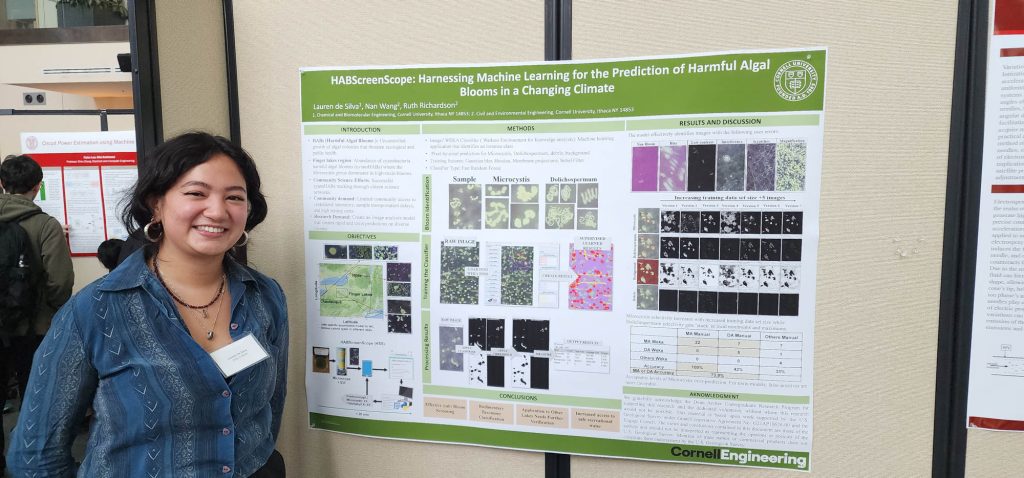
Jakarta, studyinca.ac.id – An Academic Poster is one of the most effective ways for university students to present research in a visual, concise, and professional format. It allows students to communicate the main points of a study without requiring a full paper or long oral presentation. In academic events such as seminars, conferences, and campus research exhibitions, posters are often used to make research accessible to a wide audience. A well-designed academic poster can attract attention, explain findings efficiently, and encourage meaningful discussion.
For students, creating an academic poster involves more than arranging text on a large page. It requires thoughtful decisions about structure, wording, layout, and visual communication. The goal is to make the research understandable at a glance while still being detailed enough to support questions and conversation.
Why academic posters matter in student research

An Academic Poster matters because it teaches students how to present ideas clearly and professionally to an audience that may have limited time. Unlike a full report, a poster must communicate its message quickly. Viewers usually scan the content before deciding whether to read more closely or ask questions. This means the design and wording need to guide attention naturally.
Posters are also valuable because they develop communication skills beyond writing alone. Students learn how to summarize complex ideas, highlight evidence, and explain research findings in a more visual way. These skills are useful not only in academic settings but also in professional environments where concise presentation is important.
Key elements of an effective academic poster
A strong Academic Poster usually includes a small number of essential sections presented in a clear sequence. Although specific formats may vary by institution or event, most posters include:
- Title
- Student name and affiliation
- Introduction or background
- Research objective
- Methodology
- Findings or results
- Conclusion
- References if required
These sections should be arranged so that viewers can follow the research from beginning to end without confusion. The title should be visible from a distance, and the main content should be organized into readable blocks. A cluttered poster can weaken even strong research.
Writing for clarity and brevity
The language used in an Academic Poster should be shorter and simpler than the language used in a full academic paper. Posters are not meant to carry long paragraphs. Instead, they should present key ideas through concise statements, bullet points, charts, and short explanations.
Students can improve clarity by:
- Using short headings
- Limiting each section to essential information
- Avoiding long dense paragraphs
- Highlighting major findings
- Using readable fonts and clean spacing
It is also important to avoid excessive technical wording unless the audience is expected to understand it. A poster should invite people into the research, not challenge them to decode it like an academic puzzle.
Using visuals effectively
One of the greatest strengths of an Academic Poster is its ability to combine text with visual elements. Charts, graphs, tables, icons, and diagrams can help explain information more efficiently than large blocks of writing. Visuals should support the message, not distract from it.
Good visual use means:
- Choosing graphs that are easy to interpret
- Keeping color use consistent and professional
- Leaving enough white space for readability
- Making sure images are relevant and high quality
- Ensuring all labels are clear and accurate
A visually balanced poster often appears more professional and more inviting. When viewers can quickly identify the topic and findings, the student has a better chance of starting useful conversations.
Preparing to present the poster
Creating an Academic Poster is only part of the process. Students should also be ready to explain it clearly when people stop to ask questions. A poster presentation usually works best when the student can summarize the project in one or two minutes and then expand on specific points if needed.
Useful preparation includes:
- Practicing a short verbal explanation
- Knowing the purpose and findings of the study well
- Anticipating possible audience questions
- Being ready to explain methods simply
- Maintaining professional confidence during discussion
The poster acts as a visual guide, but the student remains the main communicator. A calm and prepared explanation can strengthen the overall impact of the presentation.
Final thoughts
An Academic Poster helps university students showcase research in a way that is clear, accessible, and professional. When designed well, it turns complex information into a focused presentation that attracts attention and supports discussion. Strong posters depend on smart organization, concise writing, and visuals that clarify rather than complicate.
For student researchers, poster presentation is an excellent opportunity to build confidence and share academic work with a broader audience. A good poster does not try to say everything. It presents the most important parts of the research so clearly that people want to learn more.
Explore our “”Knowledge“” category for more insightful content!
Don't forget to check out our previous article: Job Placement: Connecting University Students with Employers and Career Opportunities
