

JAKARTA, studyinca.ac.id – Construction engineering studies play a crucial role in shaping the future of the built environment. As the demand for skilled professionals in construction and infrastructure continues to grow, these studies provide students with the knowledge and skills necessary to excel in this dynamic field. This article explores the significance of construction engineering studies, the core components of the curriculum, and the career opportunities available to graduates.
1. The Importance of Construction Engineering Studies
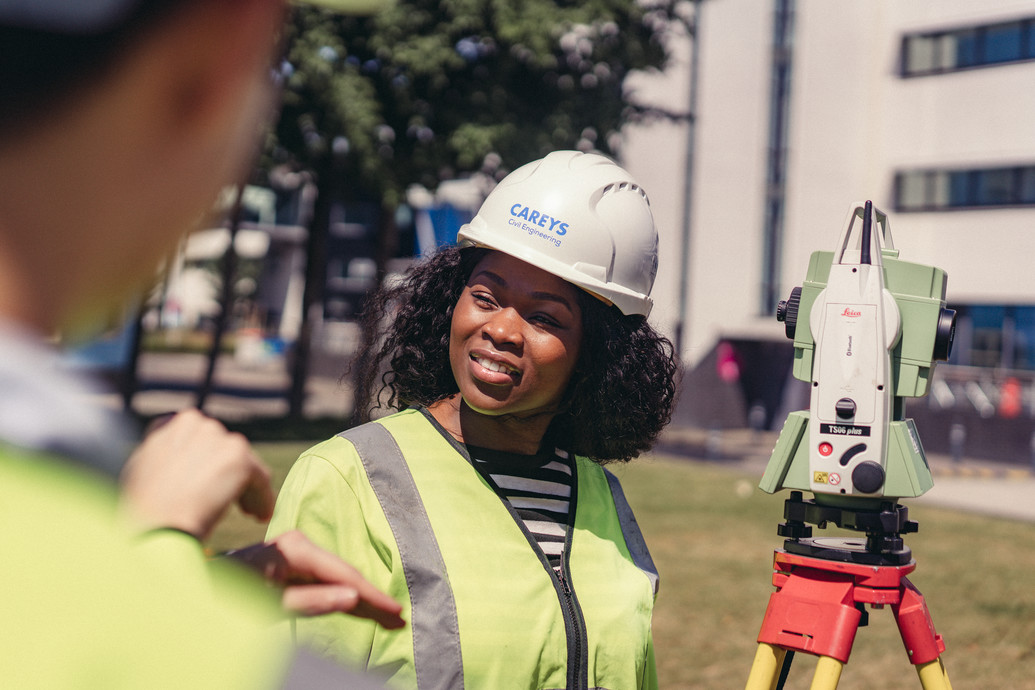
Construction engineering is a vital discipline that combines engineering principles with construction management practices. The importance of these studies can be highlighted through several key aspects:
– Addressing Industry Needs
With rapid urbanization and infrastructure development, there is a pressing need for qualified construction engineers. These professionals are essential for:
- Designing Sustainable Structures: Construction engineers focus on creating buildings and infrastructure that are environmentally sustainable and energy-efficient.
- Ensuring Safety and Compliance: They ensure that construction projects adhere to safety regulations and building codes, minimizing risks and enhancing public safety.
– Bridging Theory and Practice
Construction engineering studies emphasize the application of theoretical knowledge in real-world scenarios. Students learn to:
- Integrate Engineering Principles: Understanding the fundamentals of civil, structural, and environmental engineering is crucial for effective construction practices.
- Apply Project Management Skills: Students gain insights into managing resources, timelines, and budgets, which are essential for successful project execution.
2. Core Components of the Curriculum
The curriculum for construction engineering studies typically encompasses a range of subjects designed to provide a comprehensive education. Key components include:
– Fundamental Engineering Courses
Students begin with foundational courses in engineering, including:
- Mathematics and Physics: Essential for understanding engineering concepts and problem-solving.
- Materials Science: Understanding the properties of construction materials is critical for selecting appropriate materials for various applications.
– Specialized Construction Courses
As students progress, they delve into specialized topics, such as:
- Structural Analysis and Design: Learning how to analyze and design structures to withstand various loads and stresses.
- Construction Methods and Techniques: Gaining knowledge about different construction methods, equipment, and technologies used in the industry.
– Project Management and Economics
Courses in project management and economics are vital for preparing students to oversee construction projects effectively. Key topics include:
- Cost Estimation and Control: Understanding how to estimate project costs and manage budgets throughout the construction process.
- Scheduling and Resource Allocation: Learning to create project schedules and allocate resources efficiently to meet deadlines.
3. Hands-On Learning Experiences
Practical experience is a cornerstone of construction engineering studies. Students benefit from various hands-on learning opportunities, including:
– Laboratory Work
Laboratory courses provide students with practical experience in testing materials and conducting experiments. This hands-on approach helps solidify theoretical knowledge and enhances understanding.
– Internships and Co-Op Programs
Many construction engineering programs offer internship or co-op opportunities that allow students to gain real-world experience. These experiences are invaluable for:
- Networking: Building connections within the industry and gaining insights from experienced professionals.
- Applying Knowledge: Students can apply classroom concepts to actual projects, enhancing their learning and preparing them for future careers.
– Capstone Projects
Capstone projects are often a requirement for graduation. These projects allow students to work on comprehensive, real-world engineering challenges, requiring them to:
- Collaborate in Teams: Working in teams simulates the collaborative nature of the construction industry.
- Present Solutions: Students must present their findings and solutions, honing their communication and presentation skills.
4. Career Opportunities for Graduates
Graduates of construction engineering studies have a wide range of career opportunities available to them, including:
– Construction Manager
Construction managers oversee construction projects from inception to completion, ensuring that projects are completed on time, within budget, and to specifications.
– Structural Engineer
Structural engineers focus on designing and analyzing structures to ensure they are safe, stable, and capable of withstanding various loads.
– Project Engineer
Project engineers assist in planning and executing construction projects, coordinating between various stakeholders and ensuring compliance with engineering standards.
– Construction Consultant
Consultants provide expert advice on construction practices, helping organizations improve efficiency, safety, and sustainability in their projects.
5. Conclusion
Construction engineering studies provide a strong foundation for students aspiring to enter the dynamic and rewarding field of construction. By combining theoretical knowledge with practical experience, these programs equip graduates with the skills necessary to tackle the challenges of the industry.
As the demand for skilled construction professionals continues to grow, pursuing a degree in construction engineering is a promising pathway to a successful career. With a focus on sustainability, safety, and innovation, graduates will play a vital role in shaping the future of our built environment. Whether designing new structures or managing large-scale projects, the opportunities in construction engineering are vast and impactful.
Improve Your Abilities: Explore Our content on Knowledge
Take a Look at Our Latest Article on Construction Innovation: Applying University Research to Projects!
Here is the reference website: inca construction
