

Jakarta, studyinca.ac.id – A Dentistry School prepares university students for careers focused on oral health, clinical care, and preventive treatment. Dentistry is a profession that combines medical knowledge, technical skill, communication, and patient-centered practice. Students in dentistry school do not only study teeth in isolation. They learn about the mouth as part of overall health and develop the ability to assess, prevent, and treat a range of oral conditions.
Because oral health is closely connected to general well-being, dentistry education plays an important role in preparing future professionals who can improve both health outcomes and quality of life. The path is academically demanding and highly practical, but it offers a clear route into a skilled healthcare profession with lasting impact.
Why dentistry school matters
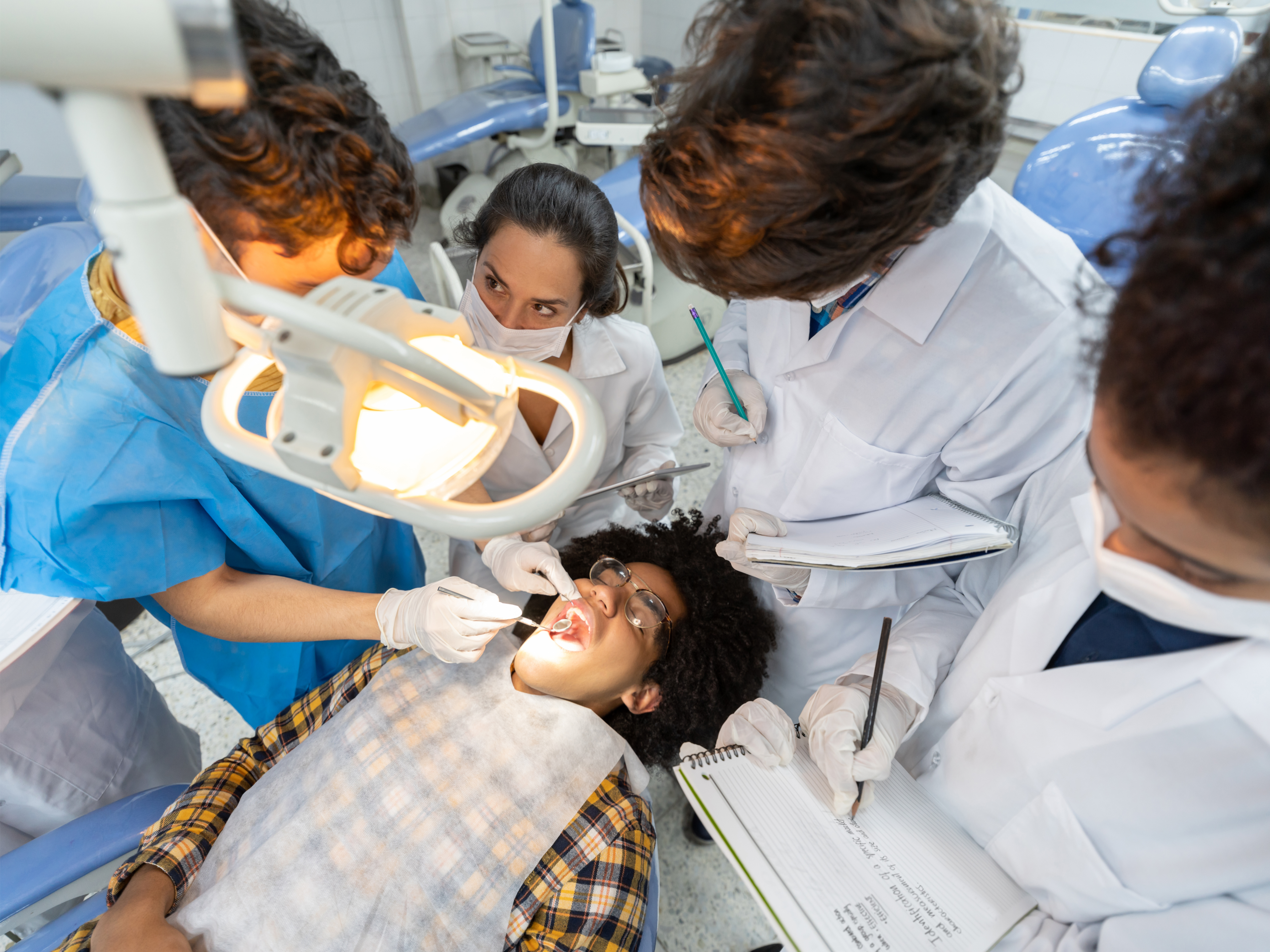
A Dentistry School matters because it prepares students for a field that supports health, function, and confidence through oral care. Dentists help diagnose conditions, prevent disease, relieve pain, and restore oral function through clinical treatment and patient education.
The program also matters because it develops both scientific understanding and hands-on clinical ability. Students need to become accurate, careful, and patient-focused in a profession where precision is not optional.
Academic foundations in dentistry education
Students in Dentistry School study a broad set of foundational subjects that help them understand both oral health and the wider body systems connected to it.
Common areas of study include:
- Human anatomy
- Physiology
- Oral biology
- Pathology
- Pharmacology
- Microbiology
- Dental materials
- Preventive care principles
These subjects provide the scientific base needed for safe clinical work and informed decision-making.
Clinical skills and patient care training
A major purpose of Dentistry School is to help students build clinical competence alongside academic knowledge. Dentistry students must learn how to examine patients, identify issues, use dental instruments properly, and communicate treatment information clearly.
Clinical training often supports skills such as:
- Oral examination
- Diagnosis and treatment planning
- Infection control
- Patient communication
- Preventive care guidance
- Technical accuracy in procedures
This combination of skill and professionalism is essential in oral healthcare practice.
Practical learning in supervised settings
Hands-on experience is central to Dentistry School because dentistry cannot be mastered through theory alone. Students usually progress from simulation-based practice to supervised clinical experience where they apply their learning in real treatment contexts.
Practical training may include:
- Preclinical laboratory exercises
- Instrument handling
- Simulated patient care
- Supervised clinical sessions
- Observation of experienced practitioners
- Case discussion and treatment review
This gradual exposure helps students build confidence while maintaining patient safety and professional standards.
Career directions after dentistry school
Completing Dentistry School can open the door to several clinical and professional pathways, depending on licensing systems and further specialization.
Possible career paths may include:
- General dental practice
- Orthodontics
- Pediatric dentistry
- Oral surgery
- Public health dentistry
- Academic or research roles
This makes dentistry both a focused and flexible profession within healthcare.
Final thoughts
A Dentistry School prepares university students for oral health and clinical careers by combining scientific learning, practical training, and patient care development. Through this education, students build the knowledge and precision required for responsible professional practice in dentistry.
Dentistry asks for steady hands, careful judgment, and serious commitment. For students who are ready for that combination, it can be a deeply rewarding career path.
Explore our “”Knowledge“” category for more insightful content!
Don't forget to check out our previous article: Inclusive Education: Supporting Equal Access and Success for University Students
