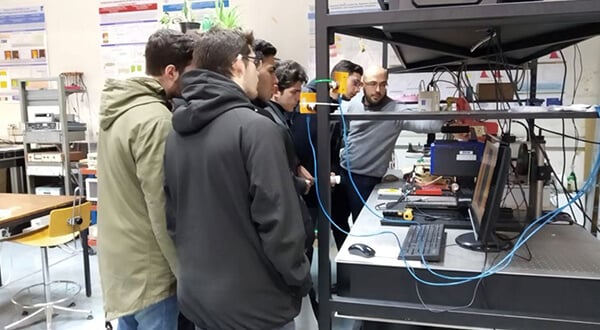
Engineering solutions are at the forefront of innovation, driving advancements that shape our future. In college labs across the globe, students are not just learning theoretical concepts; they are actively applying their knowledge to create practical solutions to real-world problems. This article shares inspiring stories and hacks from college labs, showcasing how students are engineering solutions that will impact society.
The Role of College Labs in Engineering Education

College labs serve as a critical component of engineering education, providing students with hands-on experience and the opportunity to apply theoretical knowledge. These environments foster creativity, collaboration, and problem-solving skills essential for future engineers.
Key Benefits of College Labs
- Hands-On Learning: Labs allow students to engage in practical experiments and projects, bridging the gap between theory and practice.
- Collaboration: Working in teams encourages collaboration and communication, essential skills for engineers in the workforce.
- Innovation: Labs are breeding grounds for innovation, where students can experiment with new ideas and technologies without the constraints of commercial pressures.
Real Stories of Engineering Solutions from College Labs
1. Sustainable Water Filtration System
A group of environmental engineering students at a university set out to address the global water crisis. They designed a low-cost, sustainable water filtration system using locally available materials.
- The Challenge: Many communities lack access to clean drinking water, leading to health issues and economic challenges.
- The Solution: The students created a filtration system using sand, gravel, and activated charcoal, which effectively removes contaminants from water. They tested their prototype in local communities, receiving positive feedback and refining their design based on user experiences.
2. Smart Energy Management System
In a mechanical engineering lab, a team of students developed a smart energy management system for residential buildings. Their goal was to reduce energy consumption and promote sustainability.
- The Challenge: Rising energy costs and environmental concerns prompted the need for more efficient energy use in homes.
- The Solution: The students created a system that uses sensors and IoT technology to monitor energy usage in real-time. Homeowners can access data through a mobile app, allowing them to make informed decisions about their energy consumption. The project won a university innovation award and is being considered for implementation in local housing developments.
3. Assistive Technology for Disabilities
A group of biomedical engineering students focused on improving accessibility for individuals with disabilities. They developed an innovative assistive device designed to aid mobility for those with limited movement.
- The Challenge: Many individuals with disabilities face barriers to mobility and independence.
- The Solution: The students engineered a lightweight, adjustable mobility aid that can be customized to individual needs. They conducted user testing with local advocacy groups, gathering feedback to enhance the design. This project not only provided valuable experience but also fostered a sense of community engagement among the students.
Real Hacks for Success in College Labs
To maximize the engineering experience in college labs, here are some practical hacks that students can implement:
- Utilize Online Resources: Leverage online platforms for tutorials, design software, and engineering forums. Websites like Coursera, edX, and YouTube offer valuable resources for learning new skills and techniques.
- Network with Faculty and Industry Professionals: Building relationships with professors and industry experts can provide mentorship opportunities and insights into real-world applications of engineering concepts.
- Embrace Failure: Engineering is often about trial and error. Encourage a culture of experimentation in your lab. Learn from failures and iterate on designs to improve outcomes.
- Collaborate Across Disciplines: Seek opportunities to work with students from other engineering disciplines or fields such as business and design. Interdisciplinary collaboration can lead to more innovative solutions.
- Document Your Work: Keep a detailed lab journal documenting experiments, designs, and outcomes. This practice not only helps in reflecting on progress but also serves as a valuable resource for future projects or job applications.
Conclusion
In conclusion, engineering solutions developed in college labs are shaping the future and addressing pressing global challenges. Through hands-on learning, collaboration, and innovation, students are not only enhancing their technical skills but also making meaningful contributions to society.
The stories shared here exemplify the potential of college labs to serve as incubators for creativity and problem-solving. As students continue to explore and develop their engineering solutions, they are building a better future, one project at a time. Embrace the journey, learn from experiences, and let your engineering solutions pave the way for a brighter tomorrow.