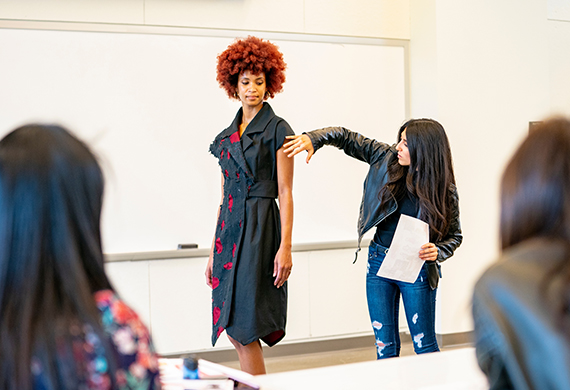
Fashion design is an exciting and dynamic field that combines creativity, technical skills, and a keen understanding of trends. As a student pursuing a degree in fashion design, I have had the opportunity to explore various aspects of the industry, from sketching and sewing to understanding market dynamics. In this article, I will share real insights and experiences that have shaped my journey in fashion design, providing valuable tips for aspiring designers.
1. Understanding Fashion Design
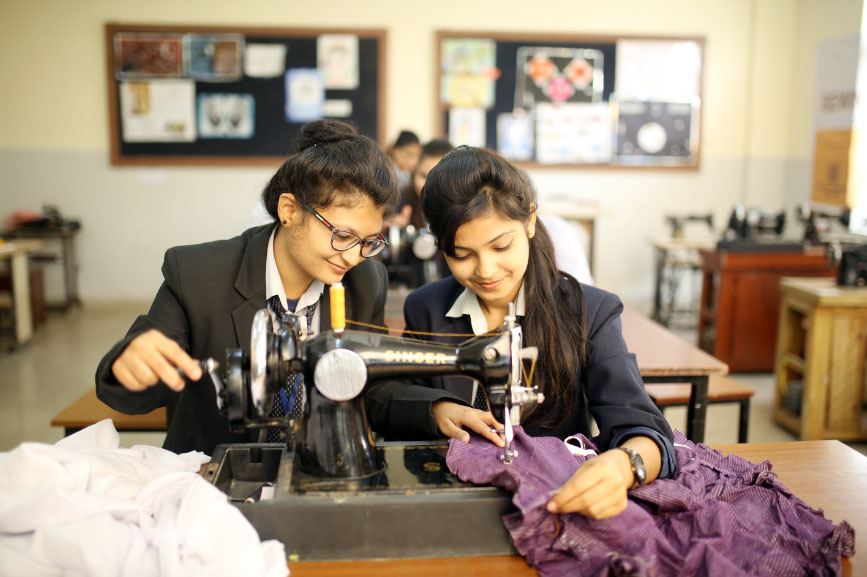
Fashion design involves creating clothing and accessories that reflect personal style, cultural influences, and market trends. Here’s why it’s an essential field:
a. Creative Expression
- Artistic Outlet: Fashion design allows individuals to express their creativity through fabric, color, and form. Designers have the freedom to bring their visions to life and influence how people perceive style.
- Cultural Reflection: Fashion often serves as a reflection of societal values and cultural movements. Designers play a crucial role in interpreting and shaping these narratives.
b. Industry Dynamics
- Market Awareness: Understanding market trends and consumer behavior is vital for success in fashion design. Designers must stay informed about what resonates with audiences and how to adapt to changing preferences.
- Collaboration: The fashion industry thrives on collaboration, involving designers, manufacturers, marketers, and retailers. Building strong relationships across these sectors is essential for launching successful collections.
2. My Journey in Fashion Design
Throughout my university experience, I engaged in various projects and activities that provided valuable insights into the world of fashion design:
a. Hands-On Experience in Design Studios
One of my most impactful experiences was working in the university’s design studio, where I had access to professional-grade tools and resources.
- Creating Collections: I designed a mini-collection for a class project, focusing on a specific theme. This process involved researching trends, sketching designs, selecting fabrics, and creating prototypes.
- Lesson Learned: I discovered the importance of thorough research and conceptualization. Understanding the theme and target audience helped me create a cohesive collection that resonated with potential customers.
b. Participating in Fashion Shows
I had the opportunity to showcase my designs at the university’s annual fashion show, which was a thrilling experience.
- Event Planning: Being part of the fashion show team taught me about the logistics involved in organizing such events. From coordinating models to setting up the runway, every detail mattered.
- Lesson Learned: I learned that presentation is just as important as the designs themselves. The way garments are showcased can significantly impact audience perception and appreciation.
c. Interning with a Local Designer
During my summer break, I interned with a local fashion designer, gaining invaluable real-world experience.
- Learning the Ropes: I assisted with various tasks, including fabric sourcing, pattern making, and social media marketing. This hands-on experience provided insights into the day-to-day operations of a fashion business.
- Lesson Learned: I realized the importance of versatility in the fashion industry. Being willing to take on different roles and tasks can enhance your understanding and skill set.
3. Tips for Aspiring Fashion Designers
Based on my experiences, here are some practical tips for those pursuing a career in fashion design:
a. Build a Strong Portfolio
- Showcase Your Work: Create a diverse portfolio that highlights your best designs, sketches, and projects. Include a variety of styles and techniques to demonstrate your versatility.
- Document Your Process: Include sketches, mood boards, and photographs of your design process. This documentation shows potential employers your creative journey and problem-solving skills.
b. Stay Current with Trends
- Follow Fashion Media: Regularly read fashion magazines, blogs, and websites to stay updated on industry trends and emerging designers. Understanding current trends will inform your design choices.
- Attend Fashion Events: Participate in fashion shows, exhibitions, and trade shows. These events provide opportunities to network and gain insights into the latest industry developments.
c. Develop Technical Skills
- Master Sewing and Pattern Making: Strong technical skills are essential for translating your designs into reality. Invest time in mastering sewing techniques and pattern making to enhance your craftsmanship.
- Learn Design Software:Learn to use design software like Adobe Illustrator and Photoshop—mastery of these tools is now essential in the fashion industry for crafting digital designs and presentations.
4. Embrace Collaboration and Networking
Collaboration and networking are crucial components of a successful fashion career:
a. Work with Peers
- Group Projects: Engage in group projects with fellow students to learn from each other’s strengths and perspectives. Collaborating can lead to innovative ideas and solutions.
- Feedback and Critique: Be open to receiving and giving constructive feedback. Critiques can help you refine your designs and improve your skills.
b. Build Industry Connections
- Networking Events: Attend industry networking events and workshops to connect with professionals and fellow students. Building relationships can lead to internships, job opportunities, and mentorship.
- Social Media Presence: Use platforms like Instagram and LinkedIn to showcase your work and connect with industry professionals. A strong online presence can increase your visibility in the fashion community.
5. Conclusion
In conclusion, fashion design is a vibrant field that offers endless opportunities for creativity and innovation. My experiences at university have taught me valuable lessons about the importance of research, hands-on experience, and collaboration.
By following the tips outlined in this article, aspiring fashion designers can cultivate their skills and prepare for a successful career in the industry. Embrace your passion for fashion, stay curious, and never stop learning. With dedication and creativity, you can craft trends and make a meaningful impact in the world of fashion design!