
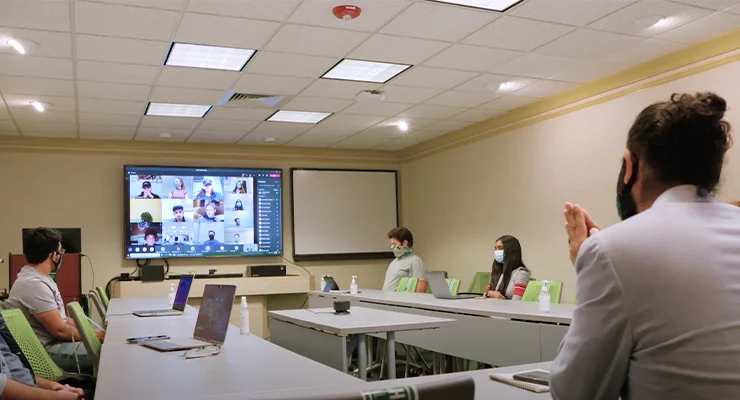
Jakarta, studyinca.ac.id – The rise of Hybrid Classes has changed how many university students experience higher education. Instead of learning entirely in a physical classroom or fully online environment, students in hybrid classes divide their learning between campus-based sessions and digital instruction. This model offers flexibility and convenience, but it also requires stronger self-management and adaptability. For students, success in hybrid learning depends on more than simply attending class in two formats. It involves balancing time, staying organized, and engaging consistently in both online and in-person settings.
Hybrid learning can be highly effective when students understand how to adjust their habits. It combines the strengths of face-to-face interaction with the accessibility of online resources, but it also introduces new challenges related to scheduling, communication, and focus.
What hybrid classes involve

Hybrid Classes typically combine traditional classroom meetings with online activities such as recorded lectures, digital assignments, discussion forums, virtual meetings, or self-paced modules. The exact structure may vary depending on the university, subject, and lecturer, but the key feature is the blend of physical and digital learning experiences.
This format gives students more flexibility in how they access part of the course material. At the same time, it places greater responsibility on them to manage deadlines, review online content independently, and come prepared for in-person sessions. Hybrid learning works best when students treat both components as equally important.
Why hybrid learning can benefit students
One of the biggest advantages of Hybrid Classes is flexibility. Students may save commuting time on certain days, access course materials repeatedly online, and organize some aspects of their learning around personal schedules. This can be especially helpful for students managing part-time work, family responsibilities, or long travel distances.
Hybrid classes also offer multiple ways to engage with content. In-person sessions support direct interaction, immediate feedback, and classroom discussion, while online components allow students to review material at their own pace. This combination can strengthen understanding when used well.
Common challenges in hybrid classes
Although Hybrid Classes offer benefits, they can also create difficulties if students are not prepared. Common challenges include:
- Losing track of online deadlines
- Treating digital materials as optional
- Struggling with self-discipline outside class
- Managing technology issues
- Feeling less connected during virtual activities
- Confusion about where and how participation is expected
These challenges often come from the need to shift between learning environments. Students who are organized and proactive usually adjust more easily than those who rely only on routine classroom structure.
Strategies for balancing online and campus learning
University students can succeed in Hybrid Classes by building habits that support consistency across both formats.
Keep one organized schedule
Students should track all online deadlines, campus sessions, exams, and assignment dates in one calendar so nothing is overlooked.
Prepare for both learning modes
Online work should not be treated as secondary. Reviewing digital content before campus meetings can improve participation and understanding.
Create a focused study routine
Regular study blocks help students stay on top of both recorded material and in-person class preparation.
Communicate actively
If instructions are unclear, students should ask lecturers or classmates early rather than waiting until confusion becomes a small academic disaster.
Manage technology responsibly
Reliable internet access, updated devices, and familiarity with course platforms are essential parts of hybrid success.
Stay engaged in class
Participation matters in both settings. Asking questions, joining discussions, and completing activities help students remain connected to the course.
The role of self-discipline in hybrid learning
A major factor in succeeding with Hybrid Classes is self-discipline. Without full face-to-face structure every day, students must take more responsibility for pacing their learning. This includes checking course announcements regularly, completing online work on time, and reviewing materials without being constantly reminded.
Hybrid learning rewards students who are proactive. It gives more freedom, but that freedom works best when paired with responsibility. Flexibility without structure tends to become procrastination wearing a very convincing academic disguise.
Final thoughts
Hybrid Classes can help university students balance online and campus learning in ways that are flexible, practical, and effective. They combine the benefits of digital access with the value of face-to-face interaction, but they also require stronger organization, communication, and self-management.
For students who build clear routines and stay engaged in both parts of the course, hybrid learning can become a powerful model for academic success. The balance is not always automatic, but with the right habits, it is absolutely manageable.
Explore our “”Knowledge“” category for more insightful content!
Don't forget to check out our previous article: Master Degree: A University Student Guide to Advanced Learning and Career Development
