
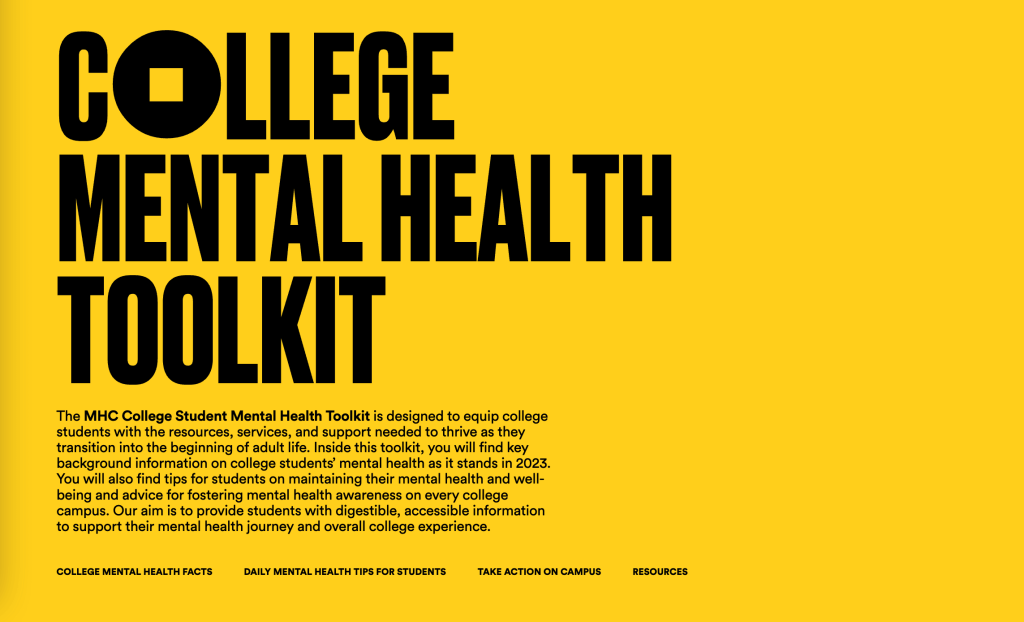
Jakarta, studyinca.ac.id – University life can be exciting, challenging, and sometimes overwhelming all at once. Students often juggle classes, deadlines, finances, relationships, and the pressure to plan for the future. In the middle of all that, emotional well-being can easily be neglected. That is why building a Mental health Toolkit is so valuable. It gives university students practical ways to manage stress, protect their energy, and seek support when needed.
A strong Mental health Toolkit is not about having one perfect solution for every difficult day. It is about creating a collection of healthy strategies, supportive habits, and reliable resources that can help during both everyday stress and more difficult periods. Think of it as a personal support system you can carry with you, no batteries required, though decent sleep helps a lot.
Why a Mental health Toolkit Matters for Students
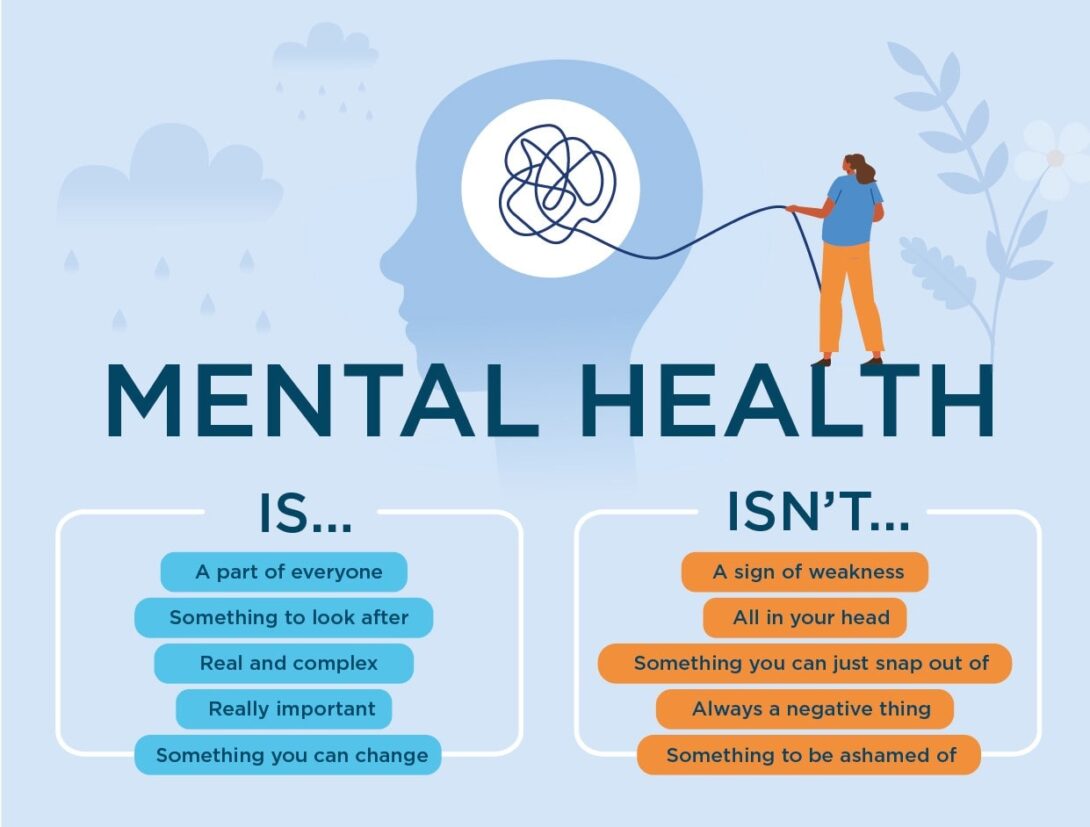
University students face a unique mix of freedom and pressure. For many, it is the first time living away from home, managing schedules independently, and handling major academic responsibilities. These changes can affect mood, motivation, sleep, and overall well-being.
Having a Mental health Toolkit matters because it helps students:
- Recognize stress before it becomes overwhelming
- Build healthy coping habits
- Stay more emotionally balanced during busy periods
- Reach out for support earlier
- Maintain focus, resilience, and self-awareness
Mental health support is not only for moments of crisis. It is also about prevention, daily care, and learning how to respond to challenges in a healthier way.
Core Elements of a Mental health Toolkit
A useful Mental health Toolkit usually includes both personal habits and external support systems. The goal is to create a flexible set of tools that can be used in different situations.
Self-Awareness
One of the most important parts of a Mental health Toolkit is noticing how you are feeling. Stress does not always show up in obvious ways. It can appear as irritability, exhaustion, poor concentration, low motivation, appetite changes, or trouble sleeping.
Helpful self-awareness practices include:
- Checking in with your mood regularly
- Noticing patterns in stress triggers
- Paying attention to physical signs of burnout
- Journaling thoughts or emotions
- Being honest with yourself about your limits
Healthy Daily Routines
Routines create stability, especially during demanding academic periods. You do not need a perfect schedule, but basic structure can support both mental and emotional health.
Important routine habits may include:
- Getting enough sleep
- Eating regular meals
- Staying hydrated
- Moving your body consistently
- Taking breaks between study sessions
- Spending time offline when possible
These habits may sound simple, but they make a real difference. The brain tends to work better when it is not running on caffeine, panic, and two hours of sleep.
Self-Care Strategies in a Mental health Toolkit
Self-care is often misunderstood as something luxurious or optional. In reality, it is a practical part of maintaining well-being. A student-focused Mental health Toolkit should include self-care strategies that are realistic and sustainable.
Create Rest Without Guilt
Many students feel pressure to be productive all the time. But rest is not laziness. Rest helps the mind recover, improve concentration, and reduce emotional exhaustion. Taking breaks can be part of doing well, not a distraction from it.
Use Stress-Reduction Techniques
Different students respond to different calming strategies. Some useful options include:
- Deep breathing exercises
- Short walks
- Stretching
- Guided meditation
- Listening to calming music
- Writing down worries to clear mental clutter
These techniques can be especially useful before exams, presentations, or after a stressful day.
Set Healthy Boundaries
A strong Mental health Toolkit should include the ability to say no when necessary. Overcommitting can lead to burnout, especially when students feel pressure to join every event, help everyone, or meet unrealistic expectations.
Boundaries may involve:
- Protecting study time
- Limiting draining social situations
- Reducing screen time
- Saying no to extra commitments when overwhelmed
Support Systems Every Student Should Include
Even the best personal habits are not always enough on their own. That is why a complete Mental health Toolkit also includes support from other people and professional resources.
Trusted Friends and Family
Staying connected to people you trust can make hard times feel less isolating. Sometimes support means advice, but often it simply means having someone who listens without judgment.
Campus Counseling Services
Most universities provide counseling or mental health support for students. These services can help with stress, anxiety, depression, academic pressure, homesickness, and personal challenges. Reaching out early can make support more effective.
Academic Support Resources
Mental well-being is closely linked to academic stress. Tutoring, study workshops, academic advisors, and time management support can all reduce pressure and improve confidence.
Building a Personalized Mental health Toolkit
The most effective Mental health Toolkit is one that fits your needs, personality, and lifestyle. What works for one student may not work for another, so personalization matters.
Include Tools for Different Situations
Your toolkit can include different strategies for different challenges, such as:
- For stress: breathing exercises, short walks, checklists
- For low mood: reaching out to a friend, journaling, sunlight, music
- For overwhelm: breaking tasks into smaller steps, using a planner, asking for help
- For loneliness: joining a student group, calling family, attending campus events
Keep Important Resources Easy to Access
Make a short list of helpful contacts and supports, such as:
- Campus counseling center
- Emergency support numbers
- Trusted friend or roommate
- Academic advisor
- Mental health apps or helplines
When stress is high, simple access matters. You want support to be easy to reach, not hidden somewhere between old screenshots and forgotten assignment deadlines.
Signs It May Be Time to Seek Extra Help
A Mental health Toolkit is valuable, but some situations need more than self-care alone. Seeking professional support is a sign of strength, not weakness.
It may be time to seek extra help if you experience:
- Ongoing sadness or anxiety
- Trouble functioning in daily life
- Major changes in sleep or appetite
- Panic attacks
- Persistent hopelessness
- Difficulty concentrating for long periods
- Thoughts of self-harm or feeling unsafe
In serious situations, immediate help from a mental health professional, crisis service, or emergency support is essential.
Conclusion
A Mental health Toolkit can help university students manage stress, care for themselves more effectively, and reach out for support when needed. University life comes with challenges, but no student should feel like they have to handle everything alone. Practical habits, emotional awareness, and reliable support systems can make daily life feel more manageable and less overwhelming.
The best Mental health Toolkit is built gradually through small, realistic choices that support well-being over time. When students take mental health seriously, they give themselves a stronger foundation for learning, resilience, and life beyond campus.
Explore our “Knowledge” category for more insightful content!
Don't forget to check out our previous article: Outdoor Education: Learning in Nature at University
