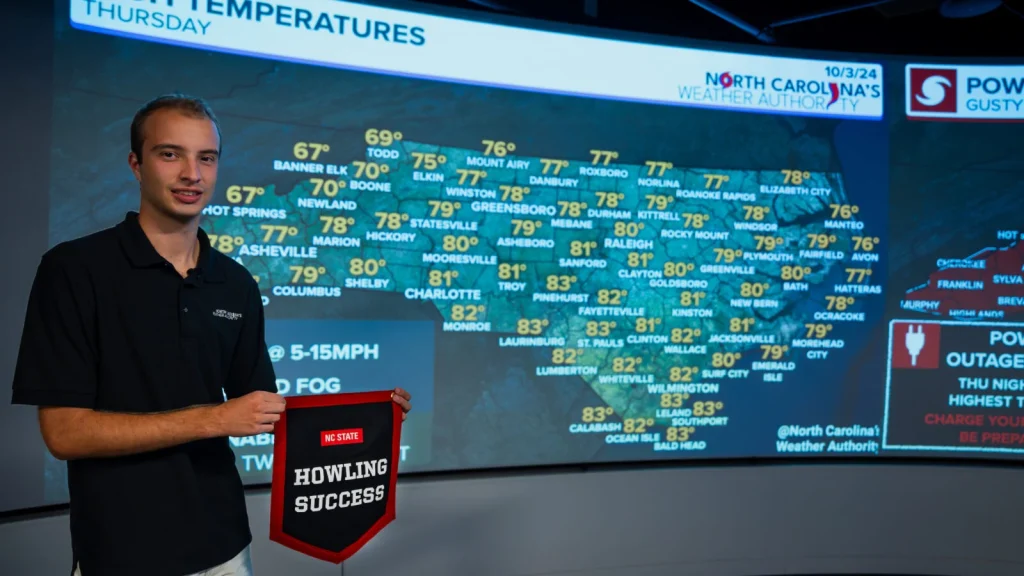
Understanding Meteorology
Definition and Scope

Meteorology is the scientific study of the atmosphere, focusing on weather processes and phenomena. It encompasses various disciplines, including:
- Weather Analysis: Examining current weather conditions using observational data and satellite imagery.
- Forecasting: Predicting future weather conditions based on data models, historical trends, and atmospheric patterns.
- Climatology: Studying long-term weather patterns and trends to understand climate change and variability.
Importance of Meteorology
Accurate meteorology forecasts are essential for several reasons:
- Public Safety: Weather forecasts help individuals and communities prepare for severe weather events, such as hurricanes, tornadoes, and blizzards, potentially saving lives and minimizing property damage.
- Agriculture: Farmers rely on weather forecasts to make informed decisions about planting and harvesting crops, ensuring optimal yield and resource management.
- Transportation: Airlines, shipping companies, and other transportation sectors depend on accurate weather predictions to ensure safe and efficient operations.
Educational Pathways in Meteorology
Undergraduate Programs
Many universities offer undergraduate degrees in meteorology, atmospheric science, or related fields. These programs typically include coursework in physics, mathematics, and earth sciences, alongside specialized meteorology courses.
- Key Courses: Students may study topics such as weather systems, atmospheric dynamics, remote sensing, and climate science.
- Hands-On Experience: Many programs emphasize practical experience through internships, fieldwork, and laboratory exercises, allowing students to apply their knowledge in real-world settings.
Graduate Programs
For those seeking advanced knowledge and research opportunities, graduate programs in meteorology are available at the master’s and doctoral levels.
- Research Focus: Graduate students often engage in specialized research projects, contributing to advancements in weather prediction and climate science. Areas of research may include numerical modeling, severe weather forecasting, and climate change impacts.
- Thesis Requirements: Many graduate programs require students to complete a thesis based on original research, further enhancing their expertise in a specific area of meteorology.
Key Tools and Techniques in Meteorology
1. Weather Satellites
Weather satellites are crucial for gathering data about the atmosphere and monitoring weather patterns. They provide real-time images of cloud cover, temperature, and moisture levels, allowing meteorologists to analyze current conditions and make forecasts.
2. Weather Radars
Weather radars are used to detect precipitation, storm systems, and severe weather events. Doppler radar technology allows meteorologists to measure the speed and direction of precipitation, helping to predict severe storms and tornadoes.
3. Numerical Weather Prediction (NWP)
Numerical Weather Prediction involves using complex mathematical models to simulate the atmosphere and predict future weather conditions. Meteorologists input observational data into these models to generate forecasts, which are continually updated as new data becomes available.
4. Climate Models
Climate models are used to study long-term weather patterns and climate change. These models simulate the Earth’s climate system, helping scientists understand how factors like greenhouse gas emissions affect global temperatures and weather patterns.
Career Opportunities in Meteorology
Graduates with degrees in meteorology have a wide range of career options, including:
- Broadcast Meteorologist: Presenting weather forecasts on television or radio, interpreting data for the public, and communicating important weather information.
- Research Scientist: Conducting research in academic or government institutions to advance the understanding of atmospheric processes and improve forecasting techniques.
- Operational Meteorologist: Working for government agencies or private companies to provide weather forecasts and analyses for specific industries, such as aviation or agriculture.
- Climate Scientist: Studying climate change and its impacts, working with organizations to develop strategies for mitigation and adaptation.
- Environmental Consultant: Advising businesses and government agencies on environmental issues related to weather and climate.
Conclusion
Meteorology forecasts are essential for understanding and predicting weather patterns that impact our daily lives. Pursuing a degree in meteorology opens doors to a variety of research and career opportunities, allowing students to contribute to public safety, environmental sustainability, and advancements in atmospheric science. As our planet faces increasing challenges related to climate change and extreme weather events, the need for skilled meteorologists has never been more critical. Dive into the world of meteorology and explore the exciting possibilities that await!
Explore our “Knowledge” category for more insightful content!
Don't forget to check out our previous article: Theological Debates: Discussing Divinity at University