Neuroscience discoveries have revolutionized our understanding of the brain and its complex functions. As a field that combines biology, psychology, and technology, neuroscience offers profound insights into how our brains shape our thoughts, behaviors, and emotions. My journey through university has been filled with surprising lessons about the brain, its workings, and the implications of recent discoveries. This article explores some of the key insights I gained while studying neuroscience and the impact of these discoveries on our understanding of the human experience.
The Complexity of the Brain
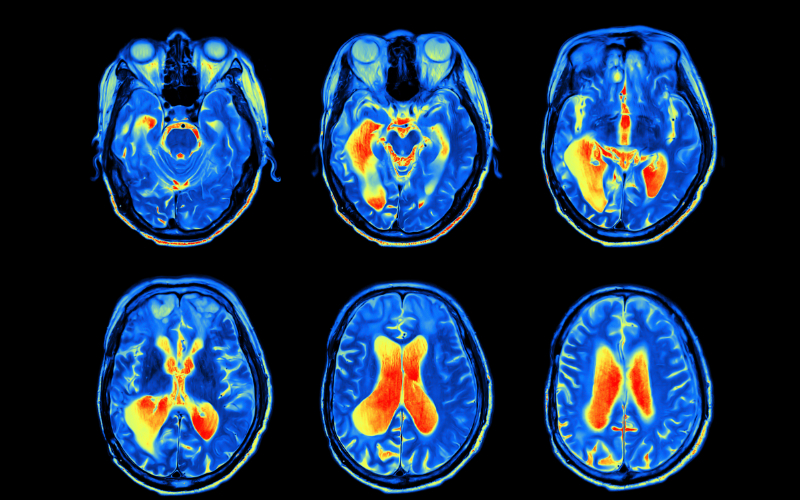
One of the first lessons I learned is the astonishing complexity of the brain. With approximately 86 billion neurons and trillions of synapses, the brain operates as a highly intricate network. Each neuron communicates with thousands of others, creating pathways that underlie everything from basic motor functions to complex cognitive tasks. This complexity highlights the challenges scientists face in unraveling the mysteries of brain function and the importance of interdisciplinary approaches in neuroscience research.
Neuroplasticity: The Brain’s Ability to Change
Neuroscientists call neuroplasticity the brain’s ability to reorganize and form fresh neural connections throughout life—a truly revolutionary insight. This discovery has profound implications for learning, recovery from injury, and mental health. I was surprised to learn that experiences, environment, and even thoughts can physically alter the structure of the brain. This understanding has led to innovative therapies for conditions such as stroke recovery and depression, emphasizing the brain’s remarkable capacity for adaptation and healing.
The Role of Emotions in Decision-Making
Another surprising lesson was the significant role of emotions in decision-making processes. Traditional views often emphasized rational thought as the primary driver of decisions. However, neuroscience discoveries reveal that emotions play a critical role in guiding our choices. The interplay between the emotional and rational parts of the brain influences everything from everyday decisions to significant life choices. Understanding this relationship has profound implications for fields such as marketing, behavioral economics, and mental health treatment.
The Impact of Technology on Neuroscience Research
Advancements in technology have dramatically transformed the landscape of neuroscience research. Techniques like functional magnetic resonance imaging (fMRI) and optogenetics allow researchers to visualize brain activity and manipulate neural circuits with unprecedented precision. I was amazed to see how these technologies enable scientists to study brain function in real-time and explore the underlying mechanisms of various neurological disorders. The integration of technology in neuroscience not only enhances our understanding of the brain but also opens new avenues for developing targeted treatments.
The Intersection of Neuroscience and Mental Health
Studying neuroscience has deepened my appreciation for the connection between brain function and mental health. Discoveries in this field have shed light on the biological underpinnings of mental disorders, such as depression, anxiety, and schizophrenia. Understanding the neurobiological factors contributing to these conditions has paved the way for more effective treatments and destigmatization of mental health issues. This knowledge empowers individuals to seek help and encourages a more compassionate approach to mental health care.
Ethical Considerations in Neuroscience
As I delved deeper into neuroscience, I became increasingly aware of the ethical considerations surrounding brain research. Questions about the implications of neuroenhancement, privacy concerns related to brain data, and the potential for misuse of neuroscience findings raise critical ethical dilemmas. Engaging in discussions about these issues has made me realize the importance of responsible research practices and the need for ethical frameworks in guiding scientific advancements.
Conclusion
In conclusion, neuroscience discoveries have profoundly enriched my understanding of the brain and its complexities. From the concept of neuroplasticity to the role of emotions in decision-making, each lesson has contributed to a deeper appreciation of human behavior and mental health. The intersection of neuroscience with technology and ethics further highlights the dynamic nature of this field.
As I continue my studies, I am excited to explore the ongoing advancements in neuroscience and their implications for our understanding of the human experience. The journey of unraveling the brain is filled with surprises, and I look forward to contributing to this fascinating field in the future.